
University of Kentucky College of Dentistry Interview
Format, Questions & Prep Tips
University of Kentucky College of Dentistry dentistry interviews for 2027 entry are a panel interview, held October 2026 through February 2027. Published figures: Annual DMD class size ~55–65; Tuition (2025–26) ~USD 24,000 (in-state) / USD 52,000 (out-of-state) (estimate).
- Institution
- University of Kentucky College of Dentistry
- Interview (2027 entry)
- October through February
- Decisions (2027 entry)
- Rolling decisions; strong Kentucky resident preference; waitlist through spring

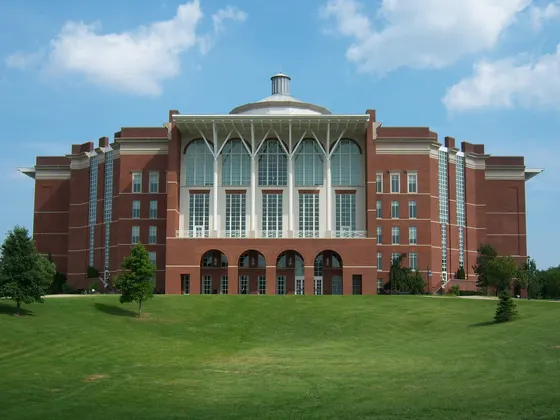
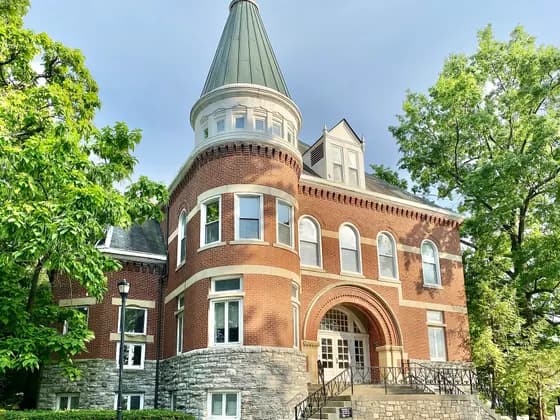

Photo: w_lemay · CC BY-SA 2.0 · cropped
Photo: J654567 · CC BY-SA 3.0 · Photo: w_lemay · CC BY-SA 2.0 · Photo: David Ohmer from Cincinnati, USA · CC BY 2.0
How to get into University of Kentucky College of Dentistry (DMD) dentistry
Step-by-step: entry requirements, admission tests, personal statement, interview format and the key deadlines.
Open the guide →University of Kentucky College of Dentistry (DMD) entry requirements
Admission profile, interview format, decision dates and what makes University of Kentucky College of Dentistry (DMD) different.
See the profile →The University of Kentucky College of Dentistry (DMD) dentistry interview
University of Kentucky College of Dentistry uses a traditional one-on-one interview format at its Lexington campus. UK Dental has a distinct Appalachian oral health mission — Kentucky has among the highest rates of tooth loss and untreated dental disease in the United States, and UK trains dentists specifically to address this crisis.
UK co-locates with UK Academic Medical Center — interprofessional training with medical and pharmacy students is embedded in the curriculum. Interviewers probe genuine awareness of Appalachian Kentucky’s oral health challenges.
All applications via ADEA AADSAS; DAT required. Strong Kentucky resident preference (~85–90% of each class).
University of Kentucky College of Dentistry (DMD) interview at a glance (2027 entry)
| Annual DMD class size | ~55–65 |
|---|---|
| Interview format | Traditional — one-on-one faculty sessions |
| DAT required | Yes — via ADEA AADSAS |
| Tuition (2025–26) | ~USD 24,000 (in-state) / USD 52,000 (out-of-state) (estimate) |
| Application system | ADEA AADSAS primary + UK secondary |
| Interview window | October–February |
Interview format
- One or two one-on-one faculty sessions; ~30–45 minutes each.
- Clinic tour and program overview included.
- No MMI.
Sample interview questions
Kentucky has among the highest rates of tooth loss in the United States. What factors drive this, and what role does a school like UK Dental play in addressing it?
Tobacco use, poverty, rural access barriers, Medicaid coverage gaps, cultural attitudes toward dental care. UK Dental's community clinics and Appalachian rotation sites as pipeline responses.
Why come to a school with such a specific Appalachian oral health mission — does that align with your career plans?
Authenticity valued. If from Kentucky or Appalachia, make that explicit. If not, show genuine understanding of what the mission involves and why it appeals to you.
A patient in rural Eastern Kentucky has not seen a dentist in 15 years due to access and cost barriers. They present with extensive disease. How do you approach the treatment planning conversation?
What they are listening for:
- Non-judgmental
- prioritize by urgency
- explore payment options
- phased treatment planning
- address fear of dental care
Respect autonomy while supporting informed decision-making.
Tobacco use is very high in Appalachian Kentucky. What oral health consequences of tobacco use do you see in dental practice, and how does the dentist intervene?
What they are listening for:
- Oral cancer
- periodontal disease
- tooth staining
- xerostomia
- impaired healing
Dentist's role in tobacco cessation counseling: "5 A's" model, referral to Kentucky Quit Line.
Describe your manual dexterity activities and why you believe you have the precision for clinical dentistry.
Specific, concrete example. Connect to composite polishing, cavity preparation margins, suturing, or endodontic instrumentation.
UK Dental is on the same campus as UK's Academic Medical Center. How does studying alongside medical students benefit your dental training?
What they are listening for:
- Oral-systemic connections
- referral relationship building
- medication reconciliation
- recognition of oral manifestations of systemic disease
Specific clinical scenarios.
Why UK College of Dentistry — what specifically makes this the right school for you?
What they are listening for:
- Appalachian health mission
- UK Medical Center co-location
- small class community
- community rotation program
Avoid generic "it's in-state" answers.
After training at UK, what practice setting and patient population do you envision?
UK values graduates who will serve Kentucky communities — general practice, community health center, or rural practice framing is appreciated. If specializing, connect it to serving underserved populations.
Kentucky consistently ranks near the bottom nationally for total tooth loss among older adults. How would you explain the gap between Kentucky and lower-prevalence states to someone unfamiliar with the region?
Layer the drivers:
- tobacco prevalence
- poverty
- rural access
- historical water-fluoridation and care patterns
- insurance gaps
Resist a single-cause story; show you understand compounding social determinants. Hedge precise rankings.
At an Eastern Kentucky community rotation, a patient is wary of you as an 'outsider' and reluctant to accept your treatment plan. How do you build trust?
What they are listening for:
- Cultural humility
- listening before prescribing
- acknowledging the long history of under-service
- working at the patient's pace
- partnering with trusted local staff
Outsider-mistrust is a real Appalachian clinical dynamic.
A patient on long-term opioid therapy presents with rampant decay and asks you for additional opioids for dental pain. How do you respond?
Address the dental cause and use non-opioid analgesia first; recognize dependence/xerostomia link without judgment; coordinate with their prescriber; follow safe-prescribing norms. Balance pain relief, safety, and the regional opioid context.
On the shared UK medical campus, a physician colleague dismisses oral health as secondary to 'real' medical problems. How would you make the case for integration without being defensive?
Use evidence (oral-systemic links, oral signs of systemic disease, infection risk) and a collaborative tone. Advocacy for dentistry's role is part of interprofessional practice; combative responses undermine the partnership.
UK Dental has a small class and a specific Appalachian mission. How does training in a small, mission-focused cohort fit the kind of dentist you want to become?
What they are listening for:
- Close faculty mentorship
- shared mission with peers
- deep regional clinical exposure
Connect to your own ties or genuine draw to the mission rather than treating small size as merely incidental.
Walk me through how you would carry out and document an oral-cancer screening, given the elevated risk in UK Dental's tobacco-using patient population.
What they are listening for:
- Systematic extra- and intra-oral soft-tissue exam
- palpation of nodes
- attention to high-risk sites
- documentation and photography
- biopsy/referral pathway for suspicious lesions
Specificity signals genuine clinical readiness for this population.
A patient who has driven a long way from a rural county becomes upset when told their treatment cannot all be completed today. How do you handle the conversation?
Acknowledge the travel burden, consolidate care where clinically safe, prioritize the urgent problem, and arrange realistic follow-up close to home. Empathy plus practical scheduling for UK's rural patients.
Practise the University of Kentucky College of Dentistry (DMD) interview
Rehearse the real format before the day — on demand with our AI interviewers, or live with a tutor.
Sit a mock with photoreal AI interviewers — any time
A timed MMI or panel interview on video — American & international voices — with interviewers who listen, react and press with follow-ups. Rubric-scored feedback and a replay the moment you finish.






Live mocks with a tutor who’s been in the room
A full University of Kentucky College of Dentistry (DMD)-style mock with a medic or dentist tutor — honest scoring against real marking criteria, a station-by-station debrief and a written action plan.
Book a mock interviewHow to prepare for the University of Kentucky College of Dentistry (DMD) interview
Common pitfalls to avoid
University of Kentucky College of Dentistry (DMD) interview — frequently asked questions
Sources & official admissions information
Ready to nail your University of Kentucky College of Dentistry (DMD) interview?
Book a mock interview with a tutor who knows the US interview formats, orpractice unlimited stations from our interview question bank.