
Southern Illinois University School of Dental Medicine Interview
Format, Questions & Prep Tips
Southern Illinois University School of Dental Medicine dentistry interviews for 2027 entry are a traditional interview, held October 2026 through February 2027. Published figures: Annual DMD class size ~50–55; Tuition (2025–26) ~USD 22,000 (in-state) / USD 50,000 (out-of-state) (estimate).
- Institution
- Southern Illinois University School of Dental Medicine
- Interview (2027 entry)
- October through February
- Decisions (2027 entry)
- Rolling decisions; strong in-state preference; waitlist through spring



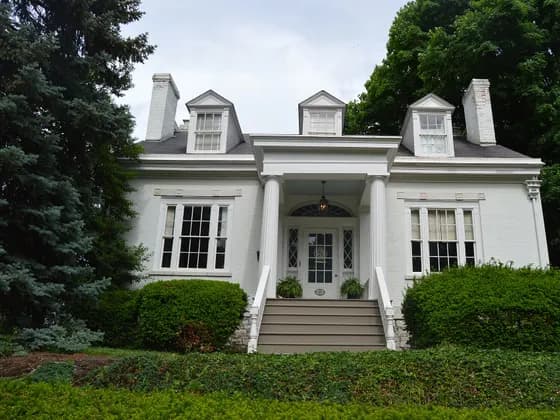
Photo: Angelika Lindner · CC BY-SA 3.0 · cropped
Photo: Robbschultz69 · CC BY-SA 4.0 · Photo: Chris Light · CC BY-SA 4.0 · Photo: Nyttend · Public domain
How to get into Southern Illinois University School of Dental Medicine (DMD) dentistry
Step-by-step: entry requirements, admission tests, personal statement, interview format and the key deadlines.
Open the guide →Southern Illinois University School of Dental Medicine (DMD) entry requirements
Admission profile, interview format, decision dates and what makes Southern Illinois University School of Dental Medicine (DMD) different.
See the profile →The Southern Illinois University School of Dental Medicine (DMD) dentistry interview
Southern Illinois University School of Dental Medicine uses a traditional one-on-one interview format at its Alton, Illinois campus. SIU Dental is a small public dental school with an explicit community health and rural dentistry mission — it trains dentists specifically to serve Southern Illinois’ underserved communities.
SIU Dental has a strong Illinois resident preference (~85–90% of the class). Interviewers probe genuine commitment to practicing in underserved or rural settings — vague community health rhetoric will not satisfy them.
All applications via ADEA AADSAS; DAT required.
Southern Illinois University School of Dental Medicine (DMD) interview at a glance (2027 entry)
| Annual DMD class size | ~50–55 |
|---|---|
| Interview format | Traditional — one-on-one faculty sessions |
| DAT required | Yes — via ADEA AADSAS |
| Tuition (2025–26) | ~USD 22,000 (in-state) / USD 50,000 (out-of-state) (estimate) |
| Application system | ADEA AADSAS primary + SIU secondary |
| Interview window | October–February |
Interview format
- One or two one-on-one faculty sessions; ~30–45 minutes each.
- Clinic tour and program overview included.
- No MMI.
Sample interview questions
Many counties in Southern Illinois have no practicing dentist. What drives this shortage, and what can dental schools do about it?
What they are listening for:
- Rural practice economics
- student loan burden vs. rural income
- lack of specialists nearby
- rural social and cultural factors
SIU's community rotation program and loan repayment incentives as responses.
SIU Dental specifically trains dentists for underserved communities. Is this consistent with your career goals — and be honest?
Authenticity matters. If you have genuine rural or community health ties, state them. If not, be honest about your interest and show you understand what the commitment involves.
A patient in your community clinic is uninsured and requires a complete upper denture. The cost is beyond their means even with sliding scale fees. What resources or pathways do you explore?
What they are listening for:
- Illinois Medicaid dental coverage
- dental school clinic rates
- dental charitable organizations (Mission of Mercy events)
- payment plans
- partial treatment prioritization
Describe your manual dexterity activities and why you believe you have the fine motor skills for clinical dentistry.
Specific hobby or experience with precision hand work. Connect to composite polishing, crown preparation margins, suturing, or endodontic file placement.
Southern Illinois has elevated rates of tobacco use. How does tobacco use affect a patient's oral health, and how does the dentist address it?
What they are listening for:
- Periodontal disease
- oral cancer risk
- impaired healing
- xerostomia
Tobacco cessation counseling as a dental responsibility: "5 A's" framework, referral to Illinois Tobacco Quitline.
A patient from a rural community is embarrassed about the state of their teeth and apologizes repeatedly. How do you respond?
What they are listening for:
- Destigmatization
- non-judgmental communication
- focusing on solutions rather than past neglect
- building trust for ongoing care
Rural patients often delay care due to shame — this is a real clinical scenario at SIU.
Why SIU Dental — why this school and this mission specifically?
What they are listening for:
- Southern Illinois community health mission
- affordable in-state tuition
- community rotation program
- connections to the region
Generic answers are unconvincing at a mission-driven school.
After graduation, what type of practice setting do you envision — private practice, community health center, public health, or specialization?
Honest and specific. SIU values applicants who have thought concretely about serving Illinois communities, even if private practice is the goal — connect it to the patient population you want to serve.
You are told that adult dental Medicaid coverage in Illinois has expanded and contracted over the years and that many Southern Illinois adults still present with advanced disease. How would you reason about the link between coverage policy and the cases you see in a community clinic?
Coverage instability drives delayed care and emergency-only patterns; expansions improve access but do not erase workforce gaps. Show you understand policy as one lever among several. Hedge specific figures you are unsure of.
A patient at a community rotation site cancels twice because they cannot get time off from an hourly job and lack reliable transport. They finally arrive in pain. How do you manage this single visit?
Treat the access barriers as the clinical reality. Address the pain, prioritize by urgency, consolidate treatment safely, and arrange realistic follow-up (teledentistry, flexible hours). This is the core SIU rural-access scenario.
You suspect a fellow student is overstating their rural-service commitment in interviews to look like a stronger fit for SIU's mission, while privately planning to practice in Chicago. Does this concern you, and what, if anything, would you do?
Distinguish a personal judgment from anything actionable. Reflect on why mission-driven schools weight authenticity and what the public investment is for, without moralizing. Honesty about the limits of your role.
A patient embarrassed about visible tooth loss avoids smiling and gives only one-word answers. How do you build enough rapport to complete a thorough history?
What they are listening for:
- Destigmatize
- ask open non-judgmental questions
- focus on solutions and the patient's own goals
Rural patients often delay care from shame — reading at SIU. Building trust is what enables a complete exam.
Walk me through how chronic smokeless-tobacco use, which is common in parts of Southern Illinois, presents in the mouth and changes your examination priorities.
What they are listening for:
- Mucosal changes and leukoplakia
- localized periodontal and recession patterns at the placement site
- elevated oral-cancer surveillance
- cessation counseling
Specificity beyond generic 'tobacco is bad' shows clinical literacy.
SIU has a very small class and a tightly defined regional mission. What are the trade-offs of training in such a small, focused program, and why does that suit you?
Close faculty contact, deep community exposure, shared mission with peers vs. potentially narrower specialty breadth and fewer resources than a large school. Tie honestly to your learning style and Southern Illinois commitment.
A grandparent brings in a child for care and answers all your questions for them, but the child is old enough to participate. How do you balance respecting the family while still engaging the young patient?
Include the child age-appropriately, build their trust and oral-health habits, while respecting the family's role. Multigenerational, rural family dynamics are common in SIU's patient base.
Practise the Southern Illinois University School of Dental Medicine (DMD) interview
Rehearse the real format before the day — on demand with our AI interviewers, or live with a tutor.
Sit a mock with photoreal AI interviewers — any time
A timed MMI or panel interview on video — American & international voices — with interviewers who listen, react and press with follow-ups. Rubric-scored feedback and a replay the moment you finish.






Live mocks with a tutor who’s been in the room
A full Southern Illinois University School of Dental Medicine (DMD)-style mock with a medic or dentist tutor — honest scoring against real marking criteria, a station-by-station debrief and a written action plan.
Book a mock interviewHow to prepare for the Southern Illinois University School of Dental Medicine (DMD) interview
Common pitfalls to avoid
Southern Illinois University School of Dental Medicine (DMD) interview — frequently asked questions
Sources & official admissions information
Ready to nail your Southern Illinois University School of Dental Medicine (DMD) interview?
Book a mock interview with a tutor who knows the US interview formats, orpractice unlimited stations from our interview question bank.