
Texas A&M College of Dentistry Interview
Format, Questions & Prep Tips
Texas A&M College of Dentistry dentistry interviews for 2027 entry are a traditional interview, held October 2026 through February 2027. Published figures: Annual DDS class size ~110; Tuition (2025–26) ~USD 22,000 (in-state) / USD 42,000 (out-of-state).
- Institution
- Texas A&M University College of Dentistry
- Interview (2027 entry)
- October through February
- Decisions (2027 entry)
- TMDSAS uniform notification dates; rolling offers
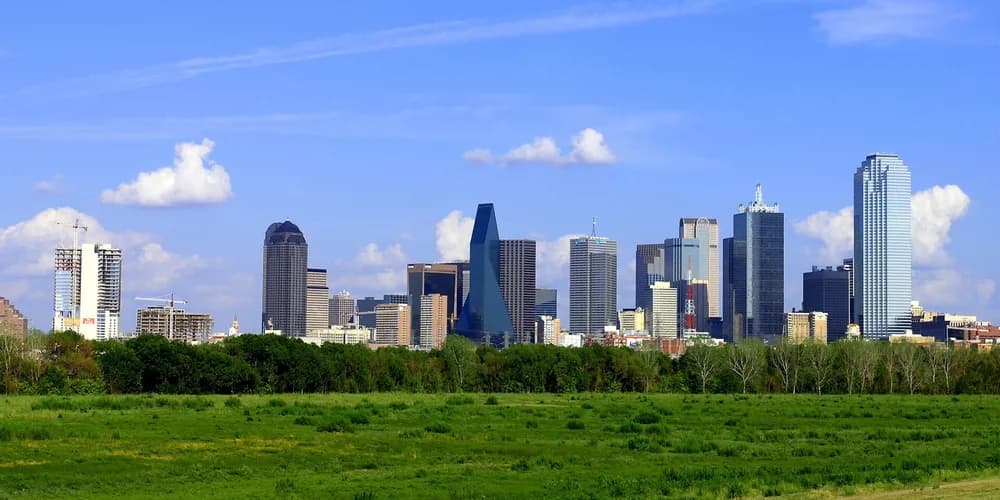
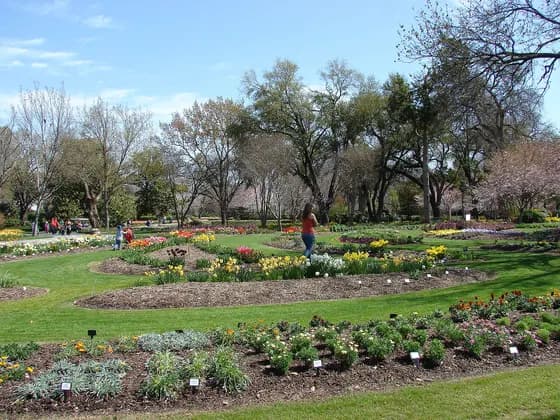
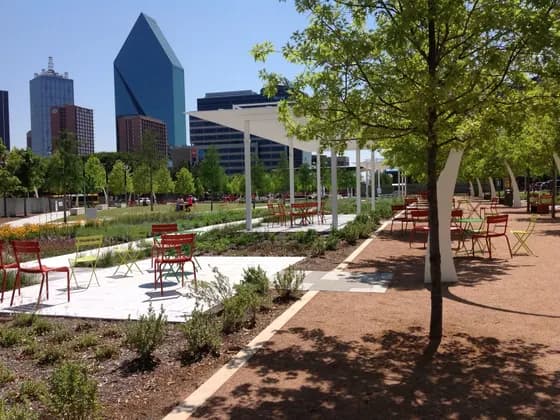
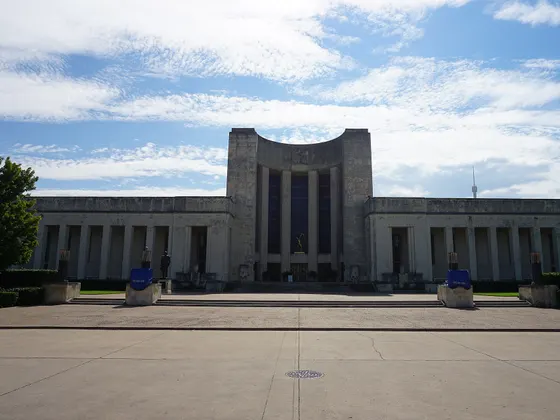
Photo: drumguy8800 ( xvisionx.com ) · CC BY-SA 3.0 · cropped
Photo: Loadmaster (David R. Tribble) This image was made by Loadmaster (David R. Tribbl · CC BY-SA 3.0 · Photo: Kevin1086 · CC BY-SA 3.0 · Photo: Michael Barera · CC BY-SA 4.0
How to get into Texas A&M College of Dentistry (DDS) dentistry
Step-by-step: entry requirements, admission tests, personal statement, interview format and the key deadlines.
Open the guide →Texas A&M College of Dentistry (DDS) entry requirements
Admission profile, interview format, decision dates and what makes Texas A&M College of Dentistry (DDS) different.
See the profile →The Texas A&M College of Dentistry (DDS) dentistry interview
Texas A&M University College of Dentistry uses a traditional interview format — one-on-one or panel sessions with faculty at its Dallas campus. Texas A&M Dental (formerly Baylor College of Dentistry) is one of the largest and most clinically active dental schools in the United States.
Texas A&M Dental applies via TMDSAS — the Texas Medical and Dental Schools Application Service — not ADEA AADSAS. Texas residency is critical: approximately 90% of seats are reserved for Texas residents.
Dallas’s large and diverse population, combined with the school’s high clinical volume, means students gain extraordinary patient exposure. Interviewers probe Texas commitment, community service, and dental experience as top priorities.
Texas A&M College of Dentistry (DDS) interview at a glance (2027 entry)
| Annual DDS class size | ~110 |
|---|---|
| Interview format | Traditional — faculty session(s) |
| DAT required | Yes — via TMDSAS |
| Tuition (2025–26) | ~USD 22,000 (in-state) / USD 42,000 (out-of-state) |
| Application system | TMDSAS — NOT ADEA AADSAS |
| Interview window | October–February |
Interview format
- Traditional faculty one-on-one or panel session; approximately 30–45 minutes.
- TMDSAS application — Texas residency is essential for competitive admission.
- High clinical volume in Dallas — patient exposure discussed in interviews.
Sample interview questions
Texas has a large population and significant dental access disparities in rural communities. What draws you to training at Texas A&M Dental, and where do you plan to practice in Texas?
What they are listening for:
- Specific Texas communities
- rural Texas dental deserts
- TMDSAS alignment with in-state practice intent
Interviewers want genuine Texas commitment.
Texas has a large uninsured and underinsured population with high rates of dental disease. How can a Texas-trained dentist contribute to addressing this?
What they are listening for:
- Community health centers
- school-based dental programs
- NHSC loan repayment
- Texas Medicaid dental coverage gaps
- mobile dental outreach
You are about to perform your first unsupervised procedure on a patient when you realize your preparation has not been thorough. What do you do?
What they are listening for:
- Patient safety
- professional honesty
- involving the supervising faculty
- student scope of practice
- ADA ethics on competence
Dallas has a large Spanish-speaking population. A patient comes in who speaks primarily Spanish and is resistant to treatment. How do you manage this appointment?
What they are listening for:
- Professional interpreter
- patient communication across language barriers
- dental anxiety management
- cultural sensitivity
Texas A&M Dental operates one of the highest-volume dental clinics in the country. How do you plan to make the most of the clinical training volume available here?
What they are listening for:
- High volume as a learning accelerator
- clinical competence development
- specialty exposure
- efficiency in clinical dentistry
What are the main oral health challenges facing Texas, and how does Texas A&M College of Dentistry's location in Dallas address or reflect them?
Texas oral health data: large uninsured population, rural dental deserts in West Texas and South Texas, Dallas as high-volume training hub.
Describe how you have developed your manual dexterity in preparation for dental school.
Real evidence:
- shadowing
- dental assisting
- art
- craft
- music
- lab work
Specifics beat generalities.
What do you know about Texas A&M College of Dentistry's research programs or clinical training model?
School-specific knowledge:
- research in craniofacial genetics
- biomedical imaging
- dental biomaterials; large Dallas clinic; TAMU Health Sciences Center integration
A patient insists on a treatment that you believe is not in their best interest. The patient is informed and adamant. How do you proceed?
ADA ethics:
- patient autonomy vs. beneficence
- shared decision-making
- documentation
- when to involve supervising faculty
Why dentistry specifically — not medicine, not nursing, not another healthcare profession?
Authentic answer grounded in specific experiences. Interviewers have heard generic answers; they want a real personal story.
Role-play: it is a high-volume clinic day in Dallas and your next patient, a Spanish-speaking man with several broken teeth, is frustrated after a long wait. The interpreter is on the way. Show me how you would begin while you wait for them.
Acknowledge the wait and his frustration with respectful non-verbal communication, use any Spanish you have honestly, avoid pressing clinical questions until the interpreter arrives, and keep him comfortable. The interviewer watches composure under volume pressure.
Texas A&M runs one of the highest-volume dental clinics in the country. If someone argued that higher volume automatically means better-trained graduates, how would you scrutinize that claim?
Volume helps repetition but must be paired with feedback, case variety, and supervision quality; raw throughput is not the same as competence. Discuss what evidence would actually link volume to outcomes. Show critical reasoning, not cheerleading.
Texas A&M Dental (formerly Baylor) has research strengths in areas like craniofacial genetics and biomaterials. How do you decide what to read or trust when clinical guidance changes during your career?
What they are listening for:
- Evidence hierarchy
- primary literature versus marketing
- professional guidelines
- humility about updating practice
Tie to the school's research-active environment and lifelong learning.
A confident classmate routinely overstates how complete their clinical requirements are to look ready for graduation. You suspect some sign-offs are not genuine. What do you do?
What they are listening for:
- Patient-safety and integrity implications of false competency records
- raising it through the right channel
- balancing collegiality with professional responsibility
ADA ethics on honesty and competence.
How would you explain to a patient why you are recommending a less expensive, more conservative treatment than the one they read about online and asked for?
Respect their autonomy and research, explain the clinical reasoning and trade-offs in plain terms, and arrive at a shared decision. Demonstrate honesty over upselling and clear lay communication.
Practise the Texas A&M College of Dentistry (DDS) interview
Rehearse the real format before the day — on demand with our AI interviewers, or live with a tutor.
Sit a mock with photoreal AI interviewers — any time
A timed MMI or panel interview on video — American & international voices — with interviewers who listen, react and press with follow-ups. Rubric-scored feedback and a replay the moment you finish.






Live mocks with a tutor who’s been in the room
A full Texas A&M College of Dentistry (DDS)-style mock with a medic or dentist tutor — honest scoring against real marking criteria, a station-by-station debrief and a written action plan.
Book a mock interviewHow to prepare for the Texas A&M College of Dentistry (DDS) interview
Common pitfalls to avoid
Texas A&M College of Dentistry (DDS) interview — frequently asked questions
Sources & official admissions information
Ready to nail your Texas A&M College of Dentistry (DDS) interview?
Book a mock interview with a tutor who knows the US interview formats, orpractice unlimited stations from our interview question bank.