
UT Health San Antonio School of Dentistry Interview
Format, Questions & Prep Tips
UT Health San Antonio School of Dentistry dentistry interviews for 2027 entry are a traditional interview, held October 2026 through February 2027. Published figures: Annual DDS class size ~95; Tuition (2025–26) ~USD 22,000 (in-state) / USD 42,000 (out-of-state).
- Institution
- University of Texas Health Science Center at San Antonio School of Dentistry
- Interview (2027 entry)
- October through February
- Decisions (2027 entry)
- TMDSAS uniform notification dates; rolling offers

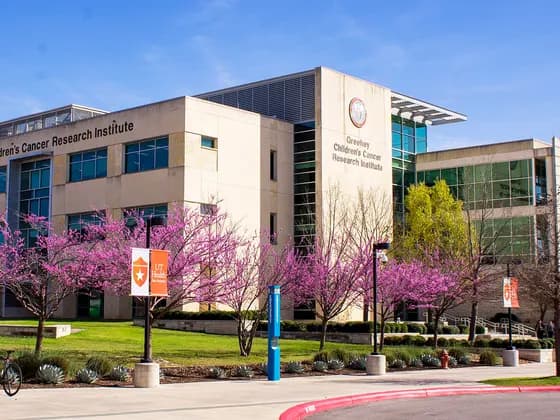
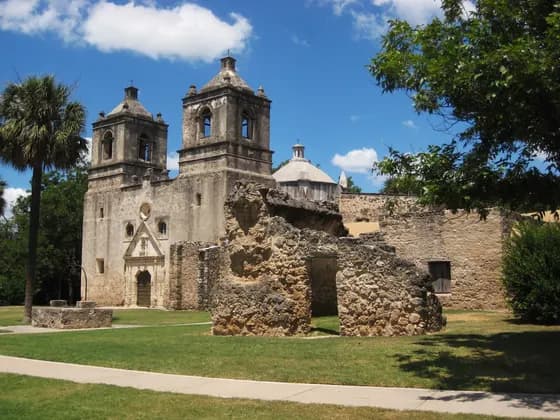
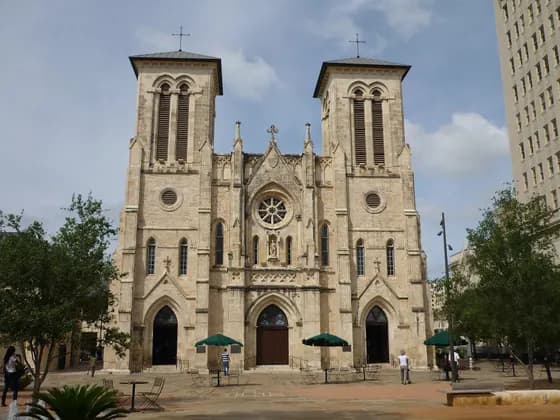
Photo: Floresr19 · CC BY-SA 4.0 · cropped
Photo: Brika9231 · CC BY-SA 4.0 · Photo: Liveon001 ©Travis Witt · CC BY-SA 3.0 · Photo: Gerrit Vollmer · CC BY-SA 3.0
How to get into UT Health San Antonio School of Dentistry (DDS) dentistry
Step-by-step: entry requirements, admission tests, personal statement, interview format and the key deadlines.
Open the guide →UT Health San Antonio School of Dentistry (DDS) entry requirements
Admission profile, interview format, decision dates and what makes UT Health San Antonio School of Dentistry (DDS) different.
See the profile →The UT Health San Antonio School of Dentistry (DDS) dentistry interview
UT Health San Antonio School of Dentistry uses a traditional interview format — one-on-one or panel sessions with faculty at its San Antonio campus. UT Health San Antonio is one of Texas’s major public dental schools, founded in 1969, applying via TMDSAS.
San Antonio’s demographic profile is central to interview discussion: the city is majority Hispanic, is home to one of the largest active-duty military and veteran populations in the United States, and borders the South Texas region with significant dental access challenges.
Interviewers probe Texas commitment, cultural competence for Hispanic and military patients, Spanish-language awareness, and dental experience.
UT Health San Antonio School of Dentistry (DDS) interview at a glance (2027 entry)
| Annual DDS class size | ~95 |
|---|---|
| Interview format | Traditional — faculty session(s) |
| DAT required | Yes — via TMDSAS |
| Tuition (2025–26) | ~USD 22,000 (in-state) / USD 42,000 (out-of-state) |
| Application system | TMDSAS — NOT ADEA AADSAS |
| Interview window | October–February |
Interview format
- Traditional faculty one-on-one or panel session; approximately 30–45 minutes.
- TMDSAS application — Texas residency essential.
- Hispanic and military patient population is a distinctive interview theme.
Sample interview questions
San Antonio is majority Hispanic and one of the largest military cities in the US. How does training here specifically prepare you for clinical dentistry in ways that other schools cannot?
What they are listening for:
- Bilingual clinical competence
- military oral health (fluorosis, deployment access, VA dentistry)
- South Texas community connections
- distinctive patient demographics
South Texas has significant oral health disparities — high rates of edentulism, untreated dental disease, and limited dental care access. What will you do to address this as a practicing dentist?
What they are listening for:
- Community health centers
- NHSC
- rural Texas practice incentives
- school-based dental programs
- CHIP dental for children
You are treating a monolingual Spanish-speaking elderly patient. She is scared and does not understand why she needs multiple extractions. Walk me through how you handle this appointment.
What they are listening for:
- Interpreter services
- patient education at appropriate health literacy level
- informed consent in the patient's language
- dental anxiety management
- dignity and respect
A military spouse patient is in significant dental pain but has limited time before her husband deploys again and the family moves to another base. What treatment decisions do you face and how do you prioritize?
What they are listening for:
- Pain management vs. definitive treatment
- time constraints
- continuity of care challenges for military families
- ADA ethics on treatment planning
Why UT Health San Antonio rather than Texas A&M Dental or UTHealth Houston?
San Antonio-specific:
- Hispanic community
- military population
- South Texas border proximity
- specific research or faculty
Shows genuine school-specific preparation.
What are the unique oral health challenges facing active-duty military personnel and veterans, and how does proximity to Joint Base San Antonio shape clinical training here?
What they are listening for:
- Deployment dental readiness
- PTSD and dental anxiety
- VA dental coverage gaps for non-service-connected conditions
- military dental insurance (TRICARE)
Describe a time you worked effectively with someone from a very different cultural or linguistic background. What did you learn about cross-cultural communication?
What they are listening for:
- Specific example
- genuine learning moment
- how it shapes your approach to diverse patient care
San Antonio requires authentic cultural competence.
UT Health San Antonio is closely connected to Long School of Medicine and the broader UT Health campus. How would you take advantage of this interprofessional environment?
What they are listening for:
- Oral-systemic health links
- interprofessional education with medicine and nursing
- hospital-based dental consultations
- research collaborations
A patient requests tooth whitening but has active periodontal disease. They insist cosmetics are their priority. How do you manage this?
Treat the disease first, patient education about disease before aesthetics, ADA ethics on beneficence and informed consent, treatment planning sequence.
Do you speak Spanish? Whether yes or no — how do you plan to communicate effectively with San Antonio's majority Spanish-speaking patient population?
Honest answer. If yes: specific examples. If no: plan for professional interpreter use, willingness to learn, respect for linguistic access as a patient right.
Role-play: a military spouse whose family relocates in three weeks is in your San Antonio chair needing significant treatment she cannot complete before the move. She is stressed about continuity. Show me how you would talk through a plan with her.
Acknowledge the time and continuity pressure, prioritize urgent and stabilizing care, document thoroughly for the next provider, and explain how to transfer records. The interviewer wants practical compassion for the realities military families face.
South Texas reports high edentulism and untreated-decay rates. If presented with a single clinic's figures, how would you judge whether they generalize to the wider region?
What they are listening for:
- Sampling and self-selection
- age and insurance mix
- rural-versus-urban representation
- data age
Distinguish a high-need clinic population from a regional average. Show measured data interpretation rather than accepting the number.
UT Health San Antonio is closely tied to the Long School of Medicine and a broader health-sciences campus. How do you learn best in an interprofessional, integrated setting, and how would you make the most of it?
What they are listening for:
- Comfort with team-based learning
- oral-systemic curiosity
- concrete plans to engage medicine and nursing peers
Tie to the genuine interprofessional environment at UT Health San Antonio.
You suspect a veteran patient's worsening oral health is linked to untreated PTSD and avoidance of care, but he becomes defensive when you gently raise it. How do you proceed?
Respect autonomy, avoid pushing, build trust over time, keep the door open, and coordinate care sensitively without overstepping dental scope. Demonstrate trauma-informed care for the military and veteran population San Antonio serves.
How would you explain, to a monolingual Spanish-speaking patient through an interpreter, why multiple extractions are needed and what the alternatives are?
What they are listening for:
- Health-literacy-appropriate explanation
- addressing the interpreter and patient correctly
- informed consent in her language
- acknowledging the emotional weight of tooth loss
Shows clear, dignified cross-language clinical communication.
Practise the UT Health San Antonio School of Dentistry (DDS) interview
Rehearse the real format before the day — on demand with our AI interviewers, or live with a tutor.
Sit a mock with photoreal AI interviewers — any time
A timed MMI or panel interview on video — American & international voices — with interviewers who listen, react and press with follow-ups. Rubric-scored feedback and a replay the moment you finish.






Live mocks with a tutor who’s been in the room
A full UT Health San Antonio School of Dentistry (DDS)-style mock with a medic or dentist tutor — honest scoring against real marking criteria, a station-by-station debrief and a written action plan.
Book a mock interviewHow to prepare for the UT Health San Antonio School of Dentistry (DDS) interview
Common pitfalls to avoid
UT Health San Antonio School of Dentistry (DDS) interview — frequently asked questions
Sources & official admissions information
Ready to nail your UT Health San Antonio School of Dentistry (DDS) interview?
Book a mock interview with a tutor who knows the US interview formats, orpractice unlimited stations from our interview question bank.