
University of Connecticut School of Dental Medicine Interview
Format, Questions & Prep Tips
University of Connecticut School of Dental Medicine dentistry interviews for 2027 entry are a traditional interview, held October 2026 through March 2027. Published figures: Annual DMD class size ~45.
- Institution
- University of Connecticut School of Dental Medicine
- Interview (2027 entry)
- October through March
- Decisions (2027 entry)
- Rolling; decisions within 4–8 weeks of interview

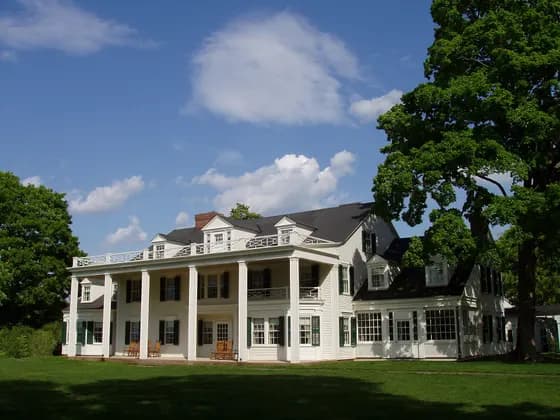
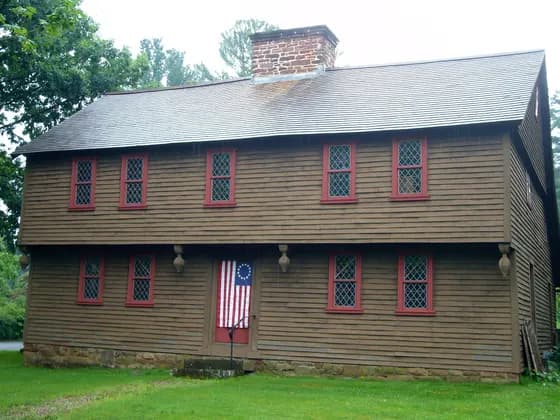

Photo: Ragesoss · CC BY-SA 4.0 · cropped
Photo: Daderot · CC BY-SA 3.0 · Photo: Staib · CC BY-SA 3.0 · Photo: formulanone from Huntsville, United States · CC BY-SA 2.0
How to get into University of Connecticut School of Dental Medicine (DMD) dentistry
Step-by-step: entry requirements, admission tests, personal statement, interview format and the key deadlines.
Open the guide →University of Connecticut School of Dental Medicine (DMD) entry requirements
Admission profile, interview format, decision dates and what makes University of Connecticut School of Dental Medicine (DMD) different.
See the profile →The University of Connecticut School of Dental Medicine (DMD) dentistry interview
University of Connecticut School of Dental Medicine uses a traditional interview format — one-on-one or panel faculty interviews at UConn Health campus in Farmington, Connecticut. UConn SDM is Connecticut’s only public dental school and is embedded in a full academic health center with a medical school and John Dempsey Hospital on the same campus.
Applications are via ADEA AADSAS. The DAT is required. Connecticut residents hold strong preference.
The academic health center setting is a key differentiator — dental students interact with medical students and hospital specialists. Interviewers assess motivation, Connecticut community commitment, interprofessional education interest, and oral-systemic health fluency.
University of Connecticut School of Dental Medicine (DMD) interview at a glance (2027 entry)
| Annual DMD class size | ~45 |
|---|---|
| Interview format | Traditional — faculty one-on-one or panel |
| DAT required | Yes — via ADEA AADSAS |
| Location | Farmington, CT (UConn Health campus) |
| Application system | ADEA AADSAS primary + UConn secondary |
| Interview window | October–March |
Interview format
- Traditional one-on-one or panel faculty interview; approximately 30–45 minutes per session.
- May include one to two interview sessions.
- Campus tour of UConn Health including dental clinic and hospital.
- Rolling decisions after interview.
Sample interview questions
UConn Dental is co-located with a medical school and hospital. How does that academic health center setting shape your expectations for dental training?
Be specific about the clinical advantages: hospital-based oral health care, specialist consultations, complex medically compromised patients, research collaboration with medical faculty. Show you understand how this setting differs from a standalone dental school.
As Connecticut's only public dental school, UConn has a mission to train dentists for the state. How does that mission align with your career goals?
Connecticut residents: connect to state ties, community health experience in CT, awareness of dental access challenges in Bridgeport, Hartford, New Haven. Out-of-state: be compelling about why UConn specifically.
How would you manage the dental care of a patient who has been hospitalized at John Dempsey Hospital for a cardiovascular procedure?
A concrete interprofessional scenario at a hospital-integrated dental school. Demonstrate knowledge of anticoagulation management pre-dental procedure, consultation with the cardiologist and hospital pharmacist, and the oral-systemic health connection.
How does the presence of a medical school and hospital on the same campus as UConn Dental enhance the oral-systemic health curriculum?
Show understanding of how dental-medical co-education allows for shared case conferences, complex medically compromised patient management, and research collaboration on oral-systemic topics.
How have you developed fine motor precision, and what specific dental procedures do you most look forward to practicing in the simulation lab?
Be specific about both your experience and your interest in dental procedures. Connecting personal dexterity skills to specific dental tasks (composite restoration, crown preparation, suturing) shows preparation.
You notice that a faculty member is providing substandard care during a clinic session. What do you do?
Demonstrates professional responsibility, patient advocacy, and appropriate reporting. At an academic health center, hierarchy is present — but patient safety overrides deference. Know the reporting channels.
What are the major oral health access challenges in Connecticut's urban communities?
Know: high uninsured rates in Hartford, New Haven, and Bridgeport; Medicaid dental reimbursement gaps; dental deserts in underserved neighborhoods; language access barriers in Hispanic and immigrant communities.
UConn has an active research environment across dental and medical sciences. Is research something you want to pursue, and if so, what interests you?
Be honest. Research interest adds value at an academic health center setting. If interested, mention areas like oral biology, craniofacial genetics, or oral cancer — all active research themes at UConn.
How do you balance patient autonomy with beneficence when a patient refuses treatment that is clinically necessary?
A classic ADA ethics scenario. Demonstrate that you understand the primacy of patient autonomy after thorough informed consent, while also knowing when to refer for psychological or social support if refusal has underlying causes.
How has your background prepared you to serve the diverse patient populations that UConn Dental sees across Connecticut?
Demonstrate cultural competency, community health awareness, and genuine interest in serving economically and culturally diverse patients. Be specific about relevant experiences.
A patient admitted to John Dempsey Hospital on a blood thinner needs an urgent dental extraction. The patient is anxious and asking why it cannot just be done now. Walk us through the appointment.
Explain the need to consult the medical team and pharmacist about anticoagulation, reassure the patient about the short delay, and coordinate safe timing. Showcases UConn's hospital-integrated, oral-systemic strength.
You are shown data showing higher untreated-decay and lower dental-visit rates in Hartford and Bridgeport than in surrounding suburbs. What drivers would you investigate before proposing an intervention?
What they are listening for:
- Uninsured rates
- Medicaid dentist participation
- language access
- transport
- clinic capacity
Demonstrate structural, data-literate reasoning about Connecticut's urban access gaps.
On an academic health center's care team, how would you raise a concern to a more senior physician about a medically complex patient's dental risk, given the hierarchy?
Respectful, structured escalation that keeps patient safety central; use clear clinical framing. Tests interprofessional communication within a real hospital hierarchy.
Tell us about a time you had to learn fast in an unfamiliar, high-stakes clinical or work environment. How did you adapt?
Adaptability and composure — qualities the academic-health-center setting demands. A concrete, reflective example works best.
A medically complex patient wants to refuse a recommended dental procedure that carries real systemic risk if untreated. How do you balance their autonomy with your duty to prevent harm?
What they are listening for:
- Thorough informed consent
- exploration of underlying fears
- physician coordination
- respect for an informed refusal
Show you can hold autonomy and beneficence in tension.
Practise the University of Connecticut School of Dental Medicine (DMD) interview
Rehearse the real format before the day — on demand with our AI interviewers, or live with a tutor.
Sit a mock with photoreal AI interviewers — any time
A timed MMI or panel interview on video — American & international voices — with interviewers who listen, react and press with follow-ups. Rubric-scored feedback and a replay the moment you finish.






Live mocks with a tutor who’s been in the room
A full University of Connecticut School of Dental Medicine (DMD)-style mock with a medic or dentist tutor — honest scoring against real marking criteria, a station-by-station debrief and a written action plan.
Book a mock interviewHow to prepare for the University of Connecticut School of Dental Medicine (DMD) interview
Common pitfalls to avoid
University of Connecticut School of Dental Medicine (DMD) interview — frequently asked questions
Sources & official admissions information
Ready to nail your University of Connecticut School of Dental Medicine (DMD) interview?
Book a mock interview with a tutor who knows the US interview formats, orpractice unlimited stations from our interview question bank.