
University of New England College of Dental Medicine Interview
Format, Questions & Prep Tips
University of New England College of Dental Medicine dentistry interviews for 2027 entry are a traditional interview, held October 2026 through February 2027. Published figures: Annual DMD class size ~55–65; Tuition (2025–26) ~USD 65,000–70,000/year (estimate).
- Institution
- University of New England College of Dental Medicine
- Interview (2027 entry)
- October through February
- Decisions (2027 entry)
- Rolling decisions; waitlist through spring

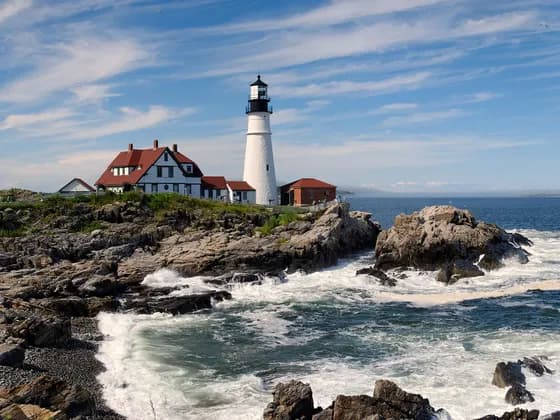
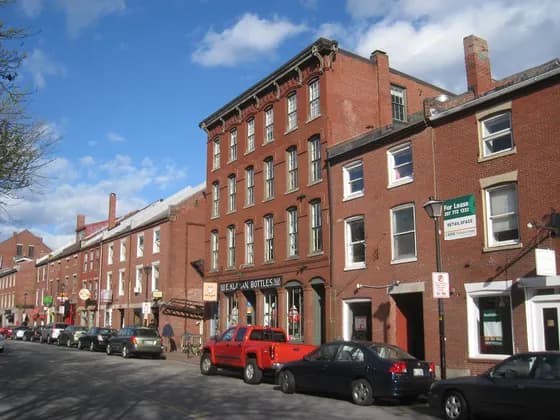
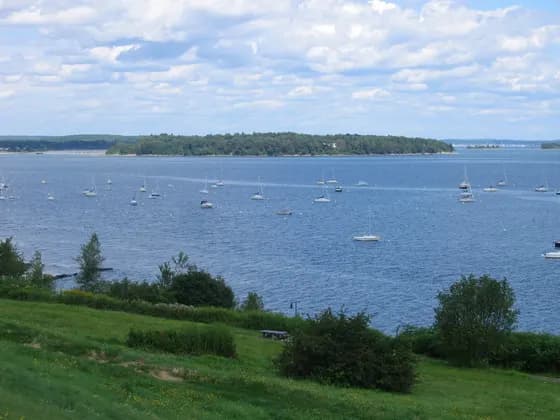
Photo: University of New England · CC BY 4.0 · cropped
Photo: Rapidfire · CC BY-SA 3.0 · Photo: Daderot · Public domain · Photo: Photo by Aude . · CC BY-SA 2.5
How to get into University of New England College of Dental Medicine (DMD) dentistry
Step-by-step: entry requirements, admission tests, personal statement, interview format and the key deadlines.
Open the guide →University of New England College of Dental Medicine (DMD) entry requirements
Admission profile, interview format, decision dates and what makes University of New England College of Dental Medicine (DMD) different.
See the profile →The University of New England College of Dental Medicine (DMD) dentistry interview
University of New England College of Dental Medicine uses a traditional one-on-one interview format at its Portland, Maine campus. UNE is a health sciences university — dental students train alongside medical, osteopathic, pharmacy, nursing, and social work students on one campus.
UNE Dental is the only dental school in Maine and one of few in northern New England. The school’s interprofessional education model is its most distinctive feature — genuine interdisciplinary patient care is embedded throughout the curriculum.
All applications via ADEA AADSAS; DAT required. No geographic preference (private institution).
University of New England College of Dental Medicine (DMD) interview at a glance (2027 entry)
| Annual DMD class size | ~55–65 |
|---|---|
| Interview format | Traditional — one-on-one faculty session |
| DAT required | Yes — via ADEA AADSAS |
| Tuition (2025–26) | ~USD 65,000–70,000/year (estimate) |
| Application system | ADEA AADSAS primary + UNE secondary |
| Interview window | October–February |
Interview format
- Single one-on-one faculty session; ~30–45 minutes.
- Campus tour of UNE Portland health sciences facilities.
- No MMI.
Sample interview questions
UNE has medical, osteopathic, pharmacy, nursing, and social work programs on one campus. Describe a scenario where a dentist-social worker collaboration would improve patient outcomes.
Domestic violence patients with facial trauma; patients with untreated substance use disorder; elderly patients with complex social care needs. The dentist as part of a wraparound care team.
UNE Dental is in Maine — what drew you to this program and this location specifically?
What they are listening for:
- Interprofessional model
- Maine's dental access challenges
- small class community
- New England patient demographics
If you have Maine or New England connections, make them explicit.
Maine is one of the most rural states in the United States, with significant oral health access gaps, particularly in northern and coastal communities. How would you address this as a dentist?
What they are listening for:
- Rural practice
- teledentistry
- community health center dentistry
- NHSC service obligation
- mobile dental units
Maine-specific context: aging population, seasonal workforce communities.
During a routine examination, you observe signs consistent with domestic abuse in a patient who denies any problem. How do you proceed?
ADA ethics and mandatory reporting obligations. Dental professionals are mandatory reporters in Maine. Provide resources, document findings, report per state law — balance patient trust and legal obligation.
How does a patient's social determinants of health — housing instability, food insecurity, lack of transportation — affect their oral health and their ability to complete a course of dental treatment?
Social determinants shape dental outcomes: diet and caries risk, treatment adherence, appointment attendance, ability to afford recommended treatment. The dentist as a screener for social needs who makes referrals to social work.
Describe your manual dexterity background and what it demonstrates about your readiness for clinical dentistry.
Specific, concrete activity. Connect to precision work in restorative dentistry — margin preparation, composite polishing, suture placement, or endodontic file manipulation.
What aspects of UNE's interprofessional model would you most want to take advantage of as a dental student?
Specific programs:
- shared IPE cases with medical or pharmacy students
- social work collaboration
- osteopathic physician interactions
Show you have read about UNE's actual IPE activities.
After graduating from UNE Dental, what practice setting and patient population do you envision?
New England connection is valued but not required. General practice, community health, rural dentistry, or specialization — connect your answer to how UNE's training prepares you for your goal.
Maine has one of the oldest populations in the US and a high share of rural residents. How would you expect those two demographic facts to shape the oral-health needs you would see as a dentist there?
What they are listening for:
- Aging brings root caries
- xerostomia from polypharmacy
- denture and perio maintenance
- mobility/transport barriers; rurality compounds access
Connect demographics to a concrete clinical and access picture. Hedge specific figures.
An elderly patient in coastal Maine on several medications has dry mouth and progressing decay but lives an hour from your clinic and no longer drives. How do you build a workable care plan?
Address xerostomia (saliva substitutes, fluoride, diet), consolidate visits, coordinate transport/teledentistry, involve caregivers and social work. UNE's IPE and rural context made concrete.
How would you brief a social work student on the UNE campus about why a patient's housing instability is directly relevant to their dental treatment plan?
Translate social determinants into dental terms — storage of supplies, appointment reliability, diet, ability to afford care — and frame the social worker as a partner. Tests genuine use of UNE's social-work co-location.
You are a mandatory reporter in Maine. A patient with suspicious injuries strongly asks you not to report what you have seen. How do you weigh trust against your legal obligation?
Explain the legal duty honestly and compassionately, provide resources, document, and follow state reporting law while preserving as much trust as possible. Balancing the therapeutic relationship and a non-negotiable obligation.
UNE is a private school with no geographic preference, and Maine is remote for many applicants. What specifically makes the interprofessional model and the Maine setting worth that choice for you?
Tie the IPE model and rural/aging-population exposure to your goals; address cost honestly. A specific answer beats treating UNE as a fallback because it is geographically inconvenient.
Walk me through how you would manage rampant root caries in an older patient taking several xerostomia-inducing medications.
Identify the dry-mouth cause and review meds with their physician, aggressive prevention (high-fluoride, saliva substitutes, diet), then conservative restoration; realistic recall. Cause-first geriatric caries management fits Maine's aging population.
A patient who relies on a seasonal job and loses dental coverage in the off-season needs a multi-stage treatment plan. How do you sequence their care?
What they are listening for:
- Front-load essential
- coverage-dependent care while insured
- prioritize by urgency
- arrange affordable maintenance for the off-season
Practical access planning for Maine's seasonal-workforce communities.
Practise the University of New England College of Dental Medicine (DMD) interview
Rehearse the real format before the day — on demand with our AI interviewers, or live with a tutor.
Sit a mock with photoreal AI interviewers — any time
A timed MMI or panel interview on video — American & international voices — with interviewers who listen, react and press with follow-ups. Rubric-scored feedback and a replay the moment you finish.




Live mocks with a tutor who’s been in the room
A full University of New England College of Dental Medicine (DMD)-style mock with a medic or dentist tutor — honest scoring against real marking criteria, a station-by-station debrief and a written action plan.
Book a mock interviewHow to prepare for the University of New England College of Dental Medicine (DMD) interview
Common pitfalls to avoid
University of New England College of Dental Medicine (DMD) interview — frequently asked questions
Sources & official admissions information
Ready to nail your University of New England College of Dental Medicine (DMD) interview?
Book a mock interview with a tutor who knows the US interview formats, orpractice unlimited stations from our interview question bank.