
VCU School of Dentistry Interview
Format, Questions & Prep Tips
VCU School of Dentistry dentistry interviews for 2027 entry are a traditional interview, held October 2026 through February 2027. Published figures: Annual DDS class size ~105; Tuition (2025–26) ~USD 30,000 (in-state) / USD 55,000 (out-of-state).
- Institution
- Virginia Commonwealth University School of Dentistry
- Interview (2027 entry)
- October through February
- Decisions (2027 entry)
- Rolling decisions; final by March

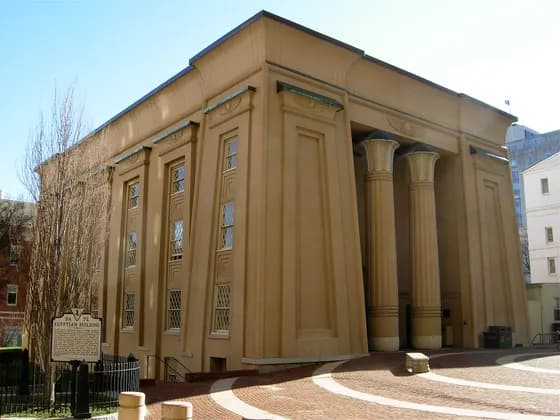
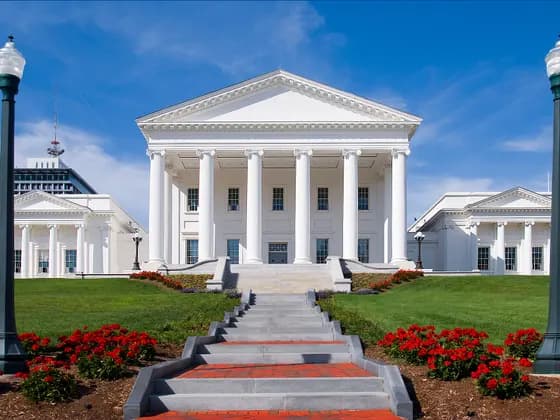

Photo: Morgan Riley · CC BY 3.0 · cropped
Photo: Crazyale · CC BY-SA 3.0 · Photo: Ron Cogswell · CC BY 2.0 · Photo: Morgan Riley · CC BY 3.0
How to get into VCU School of Dentistry (DDS) dentistry
Step-by-step: entry requirements, admission tests, personal statement, interview format and the key deadlines.
Open the guide →VCU School of Dentistry (DDS) entry requirements
Admission profile, interview format, decision dates and what makes VCU School of Dentistry (DDS) different.
See the profile →The VCU School of Dentistry (DDS) dentistry interview
Virginia Commonwealth University School of Dentistry uses a traditional interview format — one-on-one or panel sessions with faculty at its Richmond campus. VCU Dental is Virginia’s only dental school, founded in 1893, and one of the largest dental programs on the US East Coast.
As Virginia’s sole public dental school, VCU carries a significant workforce mission — training dentists for the Commonwealth, especially for rural Appalachian Virginia and underserved urban Richmond communities. Interviewers probe intent to practice in Virginia and awareness of the state’s oral health needs.
VCU Dental applies via ADEA AADSAS. Virginia residents have strong preference. The school’s large clinical volume is a distinctive feature of training.
VCU School of Dentistry (DDS) interview at a glance (2027 entry)
| Annual DDS class size | ~105 |
|---|---|
| Interview format | Traditional — faculty session(s) |
| DAT required | Yes — via ADEA AADSAS |
| Tuition (2025–26) | ~USD 30,000 (in-state) / USD 55,000 (out-of-state) |
| Application system | ADEA AADSAS primary + VCU secondary |
| Interview window | October–February |
Interview format
- Traditional faculty one-on-one or panel session; approximately 30–45 minutes.
- Virginia workforce mission — practice intent in Virginia discussed.
- Large clinical volume is a training asset highlighted in interviews.
Sample interview questions
VCU is Virginia's only dental school. What does that mean for the obligation of a VCU-trained dentist to the Commonwealth of Virginia?
What they are listening for:
- Public dental school as public good
- training investment by Virginia taxpayers
- graduate obligation to serve the state
- rural Virginia dental deserts
- Appalachian oral health
Rural Virginia, especially Southwest Virginia and the Appalachian region, has severe dental access problems. What would motivate you to practice in these areas after graduating?
What they are listening for:
- Rural dental deserts in Virginia
- NHSC loan repayment
- VCU rural rotation opportunities
- public health dentistry
- community health centers
A patient arrives in acute dental pain but owes money from a previous appointment. The front office wants to delay treatment until the balance is resolved. What is your position?
ADA ethics — dental emergencies require treatment regardless of payment status. Patient welfare vs. practice revenue. How you resolve this ethically and professionally.
Richmond has a significant African American community and substantial oral health disparities. How would you approach building trust with patients who may have had poor experiences with the healthcare system?
What they are listening for:
- Historical mistrust of medical institutions
- trauma-informed care
- patient-centered communication
- humility
- listening before advising
VCU Dental operates one of the busiest dental clinics in the region. How do you plan to take advantage of this clinical volume in your training?
What they are listening for:
- High-volume training as a competence accelerator
- case diversity across socioeconomic and ethnic spectrum
- building clinical confidence through repetition
What do you know about oral health disparities in Virginia, and what are the biggest structural barriers to access?
What they are listening for:
- Virginia Medicaid dental coverage
- rural dental deserts in Southwest and Southside Virginia
- dental workforce maldistribution
- lack of public dental schools beyond VCU
Describe a specific dental experience that confirmed your decision to pursue dentistry.
A real, specific story from shadowing or dental experience. What you observed, what moved you, what you learned about the patient-dentist relationship.
VCU has strong specialty programs and residency connections. Are you interested in a specialty? If so, which one and why?
Honest answer — general practice vs. specialty. If specialty: specific interest grounded in experience. If general practice: authentic commitment to comprehensive care.
You discover that a treatment plan written by a faculty member seems unnecessarily complex and expensive for the patient's actual needs. What do you do?
What they are listening for:
- Student obligation to the patient
- chain of professional concern
- involving another faculty member or program director
- ADA ethics on over-treatment
What have you done outside of academics to develop the skills needed for clinical dentistry?
Manual dexterity:
- art
- craft
- music
- shadowing
- dental assisting
Communication: volunteering, patient-facing roles. Evidence of preparation beyond the classroom.
Role-play: a long-time Richmond clinic patient who has had poor past experiences with healthcare is wary and slow to answer your questions about a recommended treatment. Show me how you would build trust in this appointment.
Listen first, acknowledge past experiences without defensiveness, explain in plain language, and move at the patient's pace. The interviewer wants humility and patient-centered trust-building, not a rushed sales pitch.
Southwest and Southside Virginia are often cited as dental deserts. If you were handed a map of 'dentists per capita' by county, what would you want to check before concluding where need is greatest?
Whether counts include retiring or part-time dentists, Medicaid-accepting providers specifically, travel distance versus county lines, and population age and insurance. Show you read access data critically. Tie to VCU's statewide workforce mission.
VCU's clinics are among the busiest in the region. How do you learn best in a high-volume environment, and how do you keep quality high when you are seeing many patients?
What they are listening for:
- Deliberate practice
- self-checks
- soliciting feedback
- patient-safety discipline under throughput pressure
Connect to VCU's high clinical-volume training model.
You believe a faculty-written treatment plan is more complex and costly than the patient actually needs. The patient trusts the plan. What do you do?
Patient welfare and avoidance of over-treatment, raising the concern through the appropriate channel (another faculty member or program director), and documentation. ADA ethics on beneficence and honesty.
How would you explain to a patient why an untreated abscess is urgent, when they came in only wanting a cleaning and feel otherwise fine?
What they are listening for:
- Plain-language explanation of infection risk and spread
- why it cannot wait
- reframing priorities without alarmism while respecting their original request
Demonstrate clear, persuasive but honest clinical communication.
Practise the VCU School of Dentistry (DDS) interview
Rehearse the real format before the day — on demand with our AI interviewers, or live with a tutor.
Sit a mock with photoreal AI interviewers — any time
A timed MMI or panel interview on video — American & international voices — with interviewers who listen, react and press with follow-ups. Rubric-scored feedback and a replay the moment you finish.






Live mocks with a tutor who’s been in the room
A full VCU School of Dentistry (DDS)-style mock with a medic or dentist tutor — honest scoring against real marking criteria, a station-by-station debrief and a written action plan.
Book a mock interviewHow to prepare for the VCU School of Dentistry (DDS) interview
Common pitfalls to avoid
VCU School of Dentistry (DDS) interview — frequently asked questions
Sources & official admissions information
Ready to nail your VCU School of Dentistry (DDS) interview?
Book a mock interview with a tutor who knows the US interview formats, orpractice unlimited stations from our interview question bank.