
West Virginia University School of Dentistry Interview
Format, Questions & Prep Tips
West Virginia University School of Dentistry dentistry interviews for 2027 entry are a traditional interview, held October 2026 through February 2027. Published figures: Annual DMD class size ~55; Tuition (2025–26) ~USD 26,000 (in-state) / USD 55,000 (out-of-state).
- Institution
- West Virginia University School of Dentistry
- Interview (2027 entry)
- October through February
- Decisions (2027 entry)
- Rolling decisions; final by March

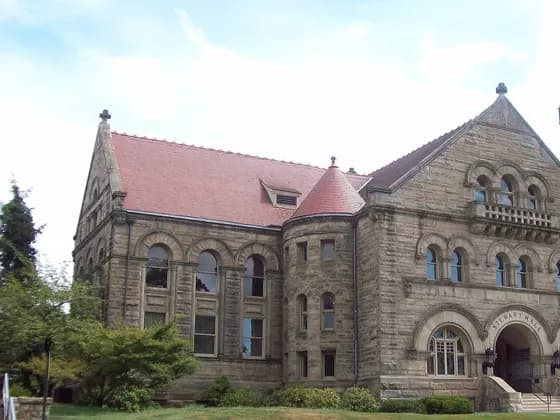
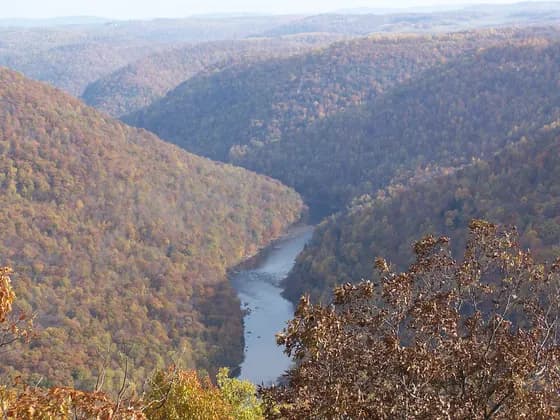
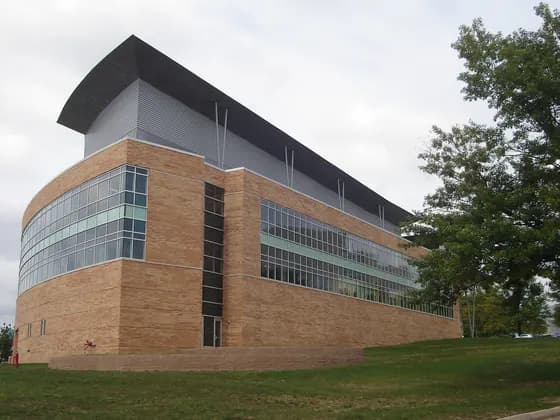
Photo: Stryker33 · CC BY-SA 3.0 · cropped
Photo: Stryker33 · CC BY-SA 3.0 · Photo: Brian M. Powell (user Bitmapped on en.wikipedia ) · CC BY-SA 3.0 · Photo: Swimmerguy269 · CC BY-SA 3.0
How to get into West Virginia University School of Dentistry (DDS) dentistry
Step-by-step: entry requirements, admission tests, personal statement, interview format and the key deadlines.
Open the guide →West Virginia University School of Dentistry (DDS) entry requirements
Admission profile, interview format, decision dates and what makes West Virginia University School of Dentistry (DDS) different.
See the profile →The West Virginia University School of Dentistry (DDS) dentistry interview
West Virginia University School of Dentistry uses a traditional interview format — one-on-one or panel sessions with faculty at its Morgantown Health Sciences campus. WVU Dental is West Virginia’s only dental school, founded in 1957.
West Virginia has among the worst oral health statistics of any US state — high edentulism rates, severe rural dental deserts, opioid crisis dental consequences, and limited dental care infrastructure. Interviewers probe genuine commitment to practicing in West Virginia and Appalachian communities.
The school uses ADEA AADSAS. West Virginia residents have strong preference. Mission-driven applicants with authentic WV community connections have a significant advantage.
West Virginia University School of Dentistry (DDS) interview at a glance (2027 entry)
| Annual DMD class size | ~55 |
|---|---|
| Interview format | Traditional — faculty session(s) |
| DAT required | Yes — via ADEA AADSAS |
| Tuition (2025–26) | ~USD 26,000 (in-state) / USD 55,000 (out-of-state) |
| Application system | ADEA AADSAS primary + WVU secondary |
| Interview window | October–February |
Interview format
- Traditional faculty one-on-one or panel session; approximately 30–45 minutes.
- WV Appalachian community commitment is the central interview theme.
- Clinic and campus tour typically included.
Sample interview questions
West Virginia has among the worst oral health statistics in the United States. As WVU's only dental school, what obligation do you feel this creates for WVU-trained dentists?
WV oral health data: edentulism rates, rural dental deserts, opioid crisis dental consequences. Public dental school obligation to serve the state.
Many rural WV communities lack a dentist within 50 miles. What would motivate you to practice in one of these dental desert communities after graduation?
What they are listening for:
- NHSC loan repayment
- WV rural practice incentives
- community ties
- loan burden vs. practice viability
- personal motivation beyond financial incentives
West Virginia's opioid crisis has caused significant dental damage among patients in recovery. A patient in recovery asks for opioid pain medication after a procedure. How do you manage this?
What they are listening for:
- Opioid-sparing pain protocols
- prescription monitoring programs
- collaboration with addiction medicine
- non-opioid analgesia
- ADA guidance on opioid prescribing in dentistry
A rural WV patient has severe dental disease and has been avoiding dentists for twenty years due to fear and cost. He is in your chair. How do you approach the first appointment?
What they are listening for:
- Dental phobia management
- trauma-informed communication
- establishing trust before treatment
- prioritizing pain relief over comprehensive treatment on first visit
- no-shame approach
What specifically drew you to WVU School of Dentistry over other programs?
What they are listening for:
- WVU Health Sciences Center
- Appalachian health mission
- WV community connections
- specific faculty or research programs
- cost value at in-state public school
What is the connection between Appalachian poverty, tobacco use, poor nutrition, and the oral health crisis in West Virginia?
Appalachian socioeconomic context:
- high poverty rates
- tobacco prevalence
- Mountain Dew mouth
- limited access to preventive care
- oral cancer rates in tobacco-using populations
Describe a time you worked in or for a community facing significant hardship. What did you learn about building trust with people who have been let down by institutions?
What they are listening for:
- Trust-building in underserved contexts
- humility
- listening before advising
- showing up consistently
- relevant to rural Appalachian patient relationships
WVU School of Dentistry is embedded in the WVU Health Sciences Center alongside medicine and pharmacy. How would you use this interprofessional environment?
What they are listening for:
- Oral-systemic health links
- interprofessional education with WVU Medicine
- pharmacy collaboration on prescription management
- hospital dental consultations
You are performing a complex extraction in a rural rotation clinic when the patient has a medical complication. The nearest hospital is 45 minutes away. What do you do?
What they are listening for:
- Emergency protocols
- calling EMS
- stabilization
- scope of practice in rural settings
- pre-procedure medical history review to prevent emergencies
- ADA emergency preparedness
Are you from West Virginia? If not — what connects you to Appalachian communities and why would you choose to practice here?
Genuine answer. WVU strongly prefers applicants with authentic WV or Appalachian connections. If out-of-state: specific research, community ties, or mission alignment required.
Role-play: a rural West Virginia patient who has avoided dentists for twenty years out of fear and cost is finally in your chair, ashamed and bracing for judgment, with severe decay. Show me how you would open this first appointment.
What they are listening for:
- A no-shame
- trauma-informed opening
- prioritizing pain relief over a comprehensive plan on day one
- plain language
- earning trust before treatment
The interviewer watches warmth and patience, not a clinical checklist.
West Virginia ranks near the bottom nationally for several oral-health measures. If a single statistic were used to argue where to place a new clinic, what would you want to understand about that figure first?
What they are listening for:
- Which measure (edentulism, untreated decay, visits)
- county-level versus statewide
- data age
- the interaction of poverty
- tobacco
- diet
- access
Distinguish a headline ranking from where need actually concentrates. Show data literacy.
WVU's curriculum prepares you for rural, sometimes isolated, practice. How do you study to build broad self-reliant competence, and how do you stay current once you are far from a teaching hospital?
What they are listening for:
- Active learning
- broad general-practice skills
- recognizing the limits of your competence
- teledentistry/consultation
- continuing education habits
Tie to the autonomy rural WV practice demands.
How would you explain the link between chronic sugary-drink consumption ('Mountain Dew mouth') and a patient's rampant decay, in a way that motivates change without shaming them?
What they are listening for:
- Non-judgmental education on the mechanism
- small achievable changes
- fluoride and prevention
- respect for the patient's circumstances
Demonstrate motivational, blame-free communication relevant to Appalachian patients.
During a rural rotation, a patient with significant decay asks you to simply extract several teeth rather than attempt restorative treatment, citing cost and distance for follow-up. How do you respond?
Respect his autonomy and the genuine access constraints, explain the trade-offs of extraction versus restoration honestly, explore feasible alternatives, and document informed choice. ADA ethics on autonomy and beneficence in a resource-limited setting.
Practise the West Virginia University School of Dentistry (DDS) interview
Rehearse the real format before the day — on demand with our AI interviewers, or live with a tutor.
Sit a mock with photoreal AI interviewers — any time
A timed MMI or panel interview on video — American & international voices — with interviewers who listen, react and press with follow-ups. Rubric-scored feedback and a replay the moment you finish.





Live mocks with a tutor who’s been in the room
A full West Virginia University School of Dentistry (DDS)-style mock with a medic or dentist tutor — honest scoring against real marking criteria, a station-by-station debrief and a written action plan.
Book a mock interviewHow to prepare for the West Virginia University School of Dentistry (DDS) interview
Common pitfalls to avoid
West Virginia University School of Dentistry (DDS) interview — frequently asked questions
Sources & official admissions information
Ready to nail your West Virginia University School of Dentistry (DDS) interview?
Book a mock interview with a tutor who knows the US interview formats, orpractice unlimited stations from our interview question bank.