University of Maryland School of Medicine (MD) Medical School - 2027 Entry Requirements & Interview Format
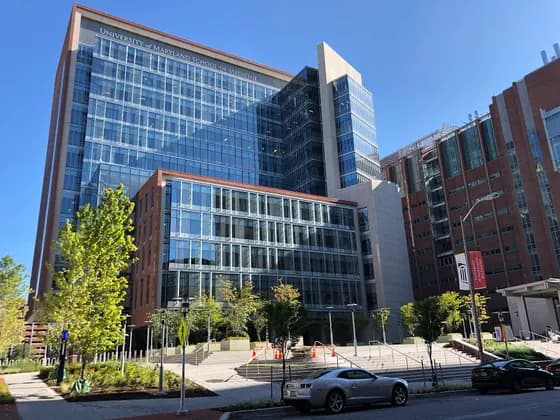
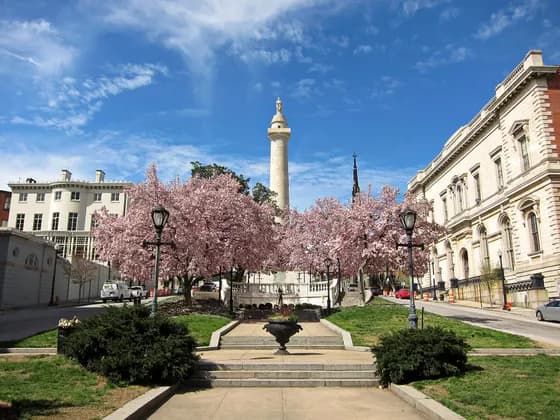
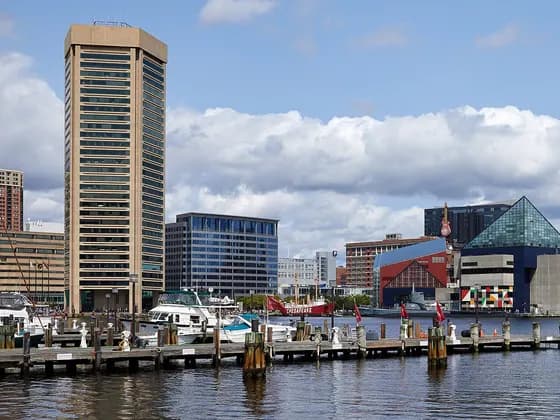
The University of Maryland School of Medicine, established in 1807, is the oldest public medical school in the US and one of the most research-intensive public medical schools in the country. Located in Baltimore on the University of Maryland Baltimore campus, the school benefits from close integration with the University of Maryland Medical Center (UMMC) — anchored by the internationally renowned R Adams Cowley Shock Trauma Center — and one of the highest levels of NIH funding among public medical schools. UMSOM's Institute of Human Virology (IHV) is a world leader in HIV/AIDS research and global health, giving the school distinctive strength in infectious disease.
Entry Requirements
What you need to apply to University of Maryland School of Medicine (MD).
Admission overview
Bachelor's degree and MCAT required. Applications via AMCAS. Strong preference for Maryland residents; out-of-state applicants are considered but acceptance is competitive. Secondary application required. Research experience is valued given the school's research-intensive environment.
MCAT median
515 (range 510–521)
GPA median
3.78 overall / 3.74 science (BCPM)
Acceptance rate
2.5%
Class size
165
In-state preference
Moderate — some OOS consideration
In-state matriculants
60%
CASPer
Not required
Holistic review emphasis
Research experience, clinical exposure, Maryland ties (for in-state), community service, academic excellence.
Notes
Estimates from public AAMC FACTS / AACOMAS / ADEA AADSAS / class-profile; verify current cycle.
Specialities offered
Trauma and Shock Surgery, Infectious Disease, Cardiovascular Medicine, Neuroscience, Oncology
Interview Format
How University of Maryland School of Medicine (MD) interviews applicants.
Format
Traditional one-on-one and panel interviews with faculty and students in Baltimore
Interview window
October–February
Decision date
March 30 (AAMC standard)
Post-interview chances
Estimated post-interview acceptance rate approximately 20–30%; UMSOM's large applicant pool and research reputation create a competitive post-interview pool.
What to expect at a University of Maryland School of Medicine (MD) interview
University of Maryland School of Medicine interview days are held in Baltimore at the Health Sciences Facility complex. Applicants typically complete two traditional interviews — one with a faculty member or clinician and one with a current student — each approximately 30 minutes. Interviewers have reviewed the full application beforehand and probe motivation, research background, clinical experience, and connection to UMSOM's mission. The day includes a financial aid session, a tour of the UM Medical Center (including the R Adams Cowley Shock Trauma Center), and informal student interactions. Being the oldest public medical school in the US (founded 1807), the school's historical significance is a common conversation theme.
What makes University of Maryland School of Medicine (MD) different
The University of Maryland School of Medicine, founded in 1807, is the oldest public medical school in the United States. The school is home to the R Adams Cowley Shock Trauma Center — which pioneered the "Golden Hour" concept of trauma care and is one of the world's premier trauma centres. UMSOM has significant NIH-funded research strengths in infectious disease (its Institute of Human Virology, co-founded by Dr. Robert Gallo, is a world leader in HIV research), cardiovascular medicine, and neuroscience.
Tutor insight
UMSOM is a genuinely exceptional public medical school — the oldest public school in the US, with world-class trauma training at R Adams Cowley, and the IHV's global infectious disease reputation. Maryland residents get a significant admissions advantage at one of the country's top public research medical schools. If you are research-oriented, UMSOM's NIH funding and MSTP programme make it competitive with elite private schools for research training. In your interview, demonstrate specific knowledge of the Shock Trauma Center and the IHV — these are the school's most distinctive features and interviewers appreciate candidates who have researched them. Baltimore's health disparities (notably high rates of opioid overdose, HIV, and cardiovascular disease in urban communities) are also frequently discussed.
PrometheusQuestion Bank
595 medicine questions inside
Interview questions matched to University of Maryland School of Medicine (MD)
Two questions our tutors flagged as a strong fit for University of Maryland School of Medicine (MD)’s interview style. Try answering them out loud, then open Prometheus for the model answers and follow-up tips.
Medium·PanelQ1
Holistic Review: Gap Year Research That Produced Null Results
You spent your gap year as a research assistant on a study examining a novel biomarker for early Alzheimer's detection. The study found no statistically significant association. The paper was not published. You are proud of the work but worry that a null result with no publication looks weak on your application. How do you present this experience?
Likely follow-up · What is publication bias and why does it matter for the scientific literature?
3 expert tips in Prometheus
Hard·Panel · MMIQ2
AAMC Core Competency: Resilience and Adaptability Under Failure
You were waitlisted at every medical school you applied to in your first cycle and received no acceptances. In your gap year you completed additional clinical hours, addressed a weakness in biochemistry, and reapplied. You are now being interviewed. An interviewer asks: 'Tell me about what happened in your first cycle and what you did about it.' How do you respond?
Likely follow-up · How did you identify the specific weaknesses in your first application, and who helped you diagnose them?
Apply to University of Maryland School of Medicine (MD) with confidence
We've helped students get into University of Maryland School of Medicine (MD) and other US medicine schools. Get tailored support for each stage of the application.
University of Maryland School of Medicine (MD) - Frequently asked questions
Bachelor's degree and MCAT required. Applications via AMCAS. Strong preference for Maryland residents; out-of-state applicants are considered but acceptance is competitive. Secondary application required. Research experience is valued given the school's research-intensive environment.
Traditional one-on-one and panel interviews with faculty and students in Baltimore. University of Maryland School of Medicine interview days are held in Baltimore at the Health Sciences Facility complex. Applicants typically complete two traditional interviews — one with a faculty member or clinician and one with a current student — each approximately 30 minutes. Interviewers have reviewed the full application beforehand and probe motivation, research background, clinical experience, and connection to UMSOM's mission. The day includes a financial aid session, a tour of the UM Medical Center (including the R Adams Cowley Shock Trauma Center), and informal student interactions. Being the oldest public medical school in the US (founded 1807), the school's historical significance is a common conversation theme.
University of Maryland School of Medicine (MD) typically interviews in October–February.
Decisions are released March 30 (AAMC standard).
The University of Maryland School of Medicine, founded in 1807, is the oldest public medical school in the United States. The school is home to the R Adams Cowley Shock Trauma Center — which pioneered the "Golden Hour" concept of trauma care and is one of the world's premier trauma centres. UMSOM has significant NIH-funded research strengths in infectious disease (its Institute of Human Virology, co-founded by Dr. Robert Gallo, is a world leader in HIV research), cardiovascular medicine, and neuroscience.