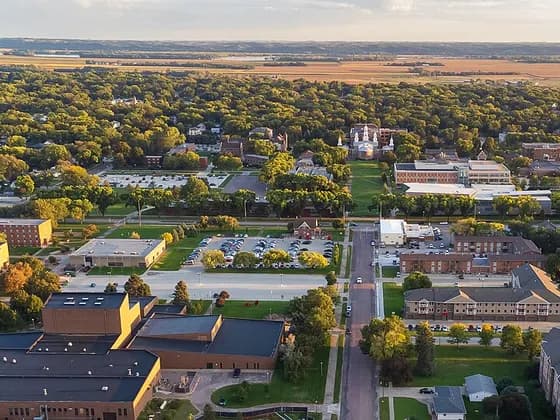
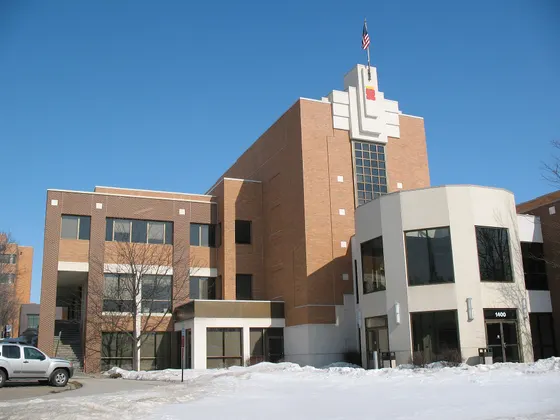
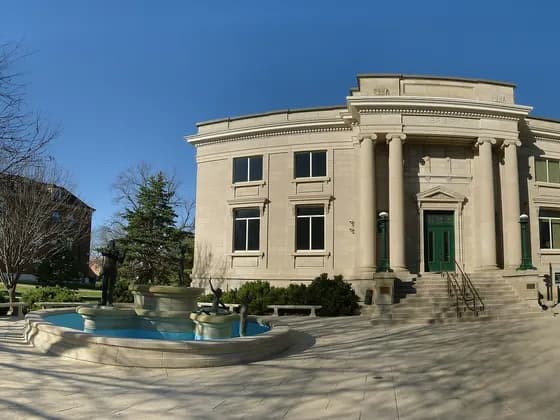
Vermillion, SD, USEst. 1907

USD Sanford School of Medicine (MD) Medical School - 2027 Entry Requirements & Interview Format

University of South Dakota Sanford School of Medicine, founded in 1907 in Vermillion and rebranded following a significant Sanford Health philanthropic gift, is the sole medical school in South Dakota and the primary trainer of the state's physician workforce. It operates a distributed training model across Vermillion, Sioux Falls, Rapid City, and rural SD communities. Its mission emphasises rural medicine, primary care, and serving the state's significant Native American population through tribal health partnerships. The school operates a unique 3-year MD track for students committed to rural primary care.

Entry Requirements

What you need to apply to USD Sanford School of Medicine (MD).

Admission overview
Bachelor's degree and MCAT required. Applications via AMCAS. South Dakota and neighboring Great Plains state residents are strongly preferred. Demonstrated commitment to rural medicine and/or Native American health is a significant differentiator. Community service in rural or tribal settings valued. Secondary application required.
MCAT median
509 (range 504–514)
GPA median
3.85 overall / 3.65 science (BCPM)
Acceptance rate
5.0%
Class size
60
In-state preference
Strong — primarily in-state
In-state matriculants
80%
CASPer
Not required
Holistic review emphasis
Rural medicine commitment; SD/Great Plains regional ties; Native American health awareness; primary care orientation; community service in rural or tribal settings.
Notes
Estimates from public AAMC FACTS / class-profile data; verify current cycle.
Specialities offered
Rural Medicine, Primary Care, Native American Health, Family Medicine, Internal Medicine

Interview Format

How USD Sanford School of Medicine (MD) interviews applicants.

Format
Traditional individual interviews with faculty; some MMI-style stations in recent cycles
Interview window
October–February
Decision date
March 30 (AAMC standard)
Post-interview chances
Estimated post-interview acceptance rate approximately 25–40%; SD residency and rural medicine commitment are the dominant selection factors.

What to expect at a USD Sanford School of Medicine (MD) interview

USD Sanford interview day is held in Sioux Falls (primary clinical campus) or Vermillion and typically includes individual faculty interviews of 25–30 minutes alongside possible structured scenario stations. Interviewers focus on motivation for rural and Great Plains medicine, Native American and tribal health awareness, community service, and dedication to staying in South Dakota or adjacent rural Great Plains states after training. The day includes a tour of clinical facilities, an admissions information session, and interaction with current students. Applicants are strongly encouraged to articulate specific knowledge of South Dakota's health landscape, including the significant Native American population and rural physician shortage.

What makes USD Sanford School of Medicine (MD) different

USD Sanford School of Medicine has a formal 3-year accelerated track (RPAP — Rural Physician Associate Program model) and a distributed clinical campus model where students train in Sioux Falls, Rapid City, and rural communities across South Dakota. The school has a strong Native American health focus given SD's nine federally recognised tribes and the significant health disparities affecting tribal communities. Named after the Sanford Health philanthropic gift, it benefits from Sanford Health's extensive statewide clinical network.

Tutor insight

USD Sanford is the right school for applicants who genuinely want to practise in rural or tribal Great Plains settings — its 3-year track and RPAP model are uniquely designed for this pipeline. If you are from South Dakota or a neighboring Great Plains state and have authentic ties to rural or Native American communities, you are a strong candidate regardless of slight academic metrics below top-tier averages. In your interview, demonstrate specific knowledge of South Dakota's health challenges: the significant diabetes and obesity burden in tribal communities, rural mental health access gaps, agricultural injury patterns, and the isolation challenges of frontier medicine. Applicants from outside the region need an extremely compelling reason to consider this school, as the community expects graduates to remain and serve locally.
Prometheus
595 medicine questions inside

Interview questions matched to USD Sanford School of Medicine (MD)

Two questions our tutors flagged as a strong fit for USD Sanford School of Medicine (MD)’s interview style. Try answering them out loud, then open Prometheus for the model answers and follow-up tips.

MediumMMI · PanelQ1

Service Orientation: Navigating Burnout While Maintaining Commitment

You have been leading a campus student-run health fair for two years. Going into your third year, you notice that team members are dropping out, your own enthusiasm is diminished, and attendance has stagnated. You still believe in the mission. How do you diagnose what is happening, and what do you do to restore the programme's energy and your own?

Likely follow-up · How does this experience prepare you for managing burnout in a clinical team as an attending physician?

3 expert tips in Prometheus
MediumPanelQ2

AAMC Core Competency: Self-Care and Managing Personal Wellbeing

You are three months into your first year of medical school. You are sleeping less than five hours a night, have stopped exercising, and have become increasingly irritable with your family members. You know you are struggling but you feel that reducing your study time is not an option. How do you approach this situation, and what does your answer reveal about your relationship with self-care and professional sustainability?

Likely follow-up · What is the evidence for the relationship between physician wellbeing and patient safety, and how do personal health behaviours during medical training predict long-term burnout?

3 expert tips in Prometheus

Ready to practise USD Sanford School of Medicine (MD)?

Book a school-specific mock interview with USD Sanford School of Medicine (MD) preselected.

Book a USD Sanford School of Medicine (MD) mock

USD Sanford School of Medicine (MD) - Frequently asked questions

Bachelor's degree and MCAT required. Applications via AMCAS. South Dakota and neighboring Great Plains state residents are strongly preferred. Demonstrated commitment to rural medicine and/or Native American health is a significant differentiator. Community service in rural or tribal settings valued. Secondary application required.

Traditional individual interviews with faculty; some MMI-style stations in recent cycles. USD Sanford interview day is held in Sioux Falls (primary clinical campus) or Vermillion and typically includes individual faculty interviews of 25–30 minutes alongside possible structured scenario stations. Interviewers focus on motivation for rural and Great Plains medicine, Native American and tribal health awareness, community service, and dedication to staying in South Dakota or adjacent rural Great Plains states after training. The day includes a tour of clinical facilities, an admissions information session, and interaction with current students. Applicants are strongly encouraged to articulate specific knowledge of South Dakota's health landscape, including the significant Native American population and rural physician shortage.

USD Sanford School of Medicine (MD) typically interviews in October–February.

Decisions are released March 30 (AAMC standard).

USD Sanford School of Medicine has a formal 3-year accelerated track (RPAP — Rural Physician Associate Program model) and a distributed clinical campus model where students train in Sioux Falls, Rapid City, and rural communities across South Dakota. The school has a strong Native American health focus given SD's nine federally recognised tribes and the significant health disparities affecting tribal communities. Named after the Sanford Health philanthropic gift, it benefits from Sanford Health's extensive statewide clinical network.
Reviewed by Isaac Butler-King, medical student at the University of Glasgow. Last reviewed: 6 June 2026 · NextGen MedPrep editorial team
USD Sanford School of Medicine (MD) | MCAT median 509, GPA & Interview Format | NGMP