Detroit, MI, USEst. 1868

Wayne State University School of Medicine (MD) Medical School - 2027 Entry Requirements & Interview Format

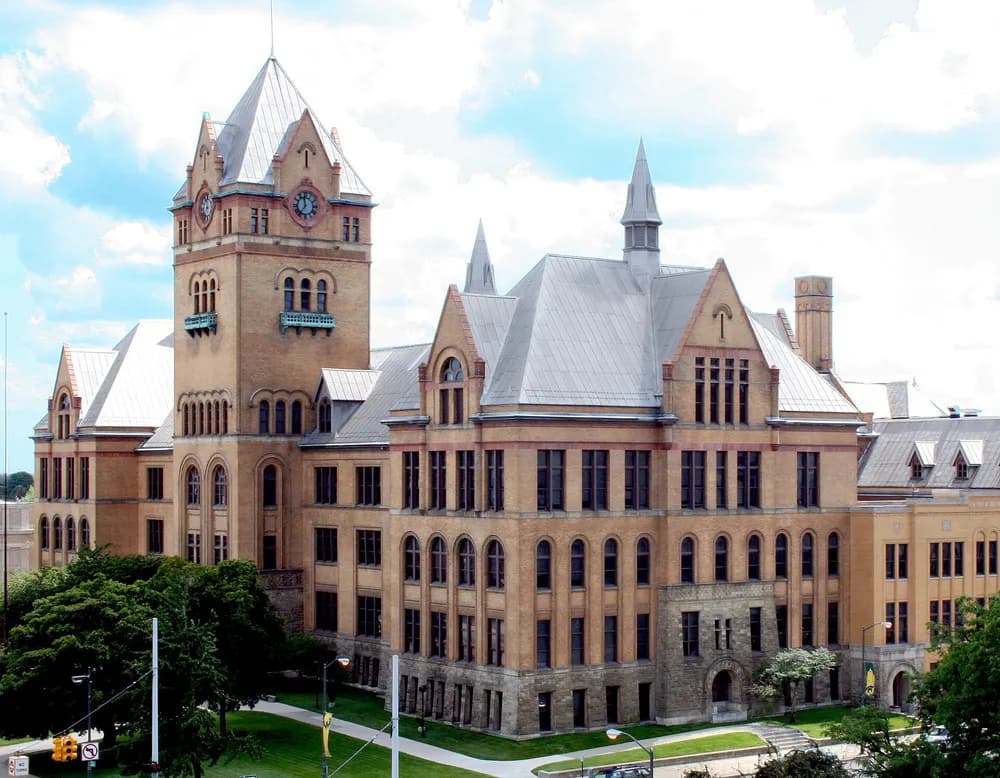
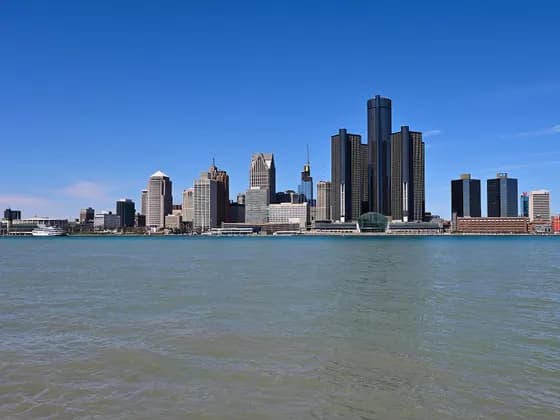
Wayne State University School of Medicine, located in Detroit's Midtown Medical District, is Michigan's largest MD-granting institution and one of the most diverse medical schools in the United States. Founded in 1868, it has produced more Black and African American physicians than any other institution in Michigan. The school is embedded in the Detroit Medical Center hospital system, giving students access to high-acuity trauma and primary care in one of the country's most challenging urban health environments. Wayne State has particular strengths in internal medicine, surgery, and research related to health disparities.

Entry Requirements

What you need to apply to Wayne State University School of Medicine (MD).

Admission overview
Bachelor's degree and MCAT required. Michigan residents strongly preferred. Strong academic record, clinical experience in diverse/underserved settings, and community service valued. Application via AMCAS; secondary required.
MCAT median
511 (range 506–517)
GPA median
3.72 overall / 3.66 science (BCPM)
Acceptance rate
5.0%
Class size
295
In-state preference
Strong — primarily in-state
In-state matriculants
54%
CASPer
Not required
Holistic review emphasis
Urban medicine commitment, health equity, diversity of background, clinical experience in underserved settings.
Notes
Estimates from public AAMC FACTS / AACOMAS / ADEA AADSAS / class-profile; verify current cycle.
Specialities offered
Urban Medicine, Health Disparities, Internal Medicine, Surgery, Trauma Care

Interview Format

How Wayne State University School of Medicine (MD) interviews applicants.

Format
Traditional interview (faculty and/or student interviewer, ~45 minutes)
Interview window
September–February
Decision date
March 30 (AAMC standard)
Post-interview chances
Estimated 30–40% of interviewees receive an offer; mission alignment and community service heavily weighted.

What to expect at a Wayne State University School of Medicine (MD) interview

Wayne State conducts traditional one-on-one or small-panel interviews with faculty physicians and/or medical students. Sessions run approximately 45 minutes and are conversational, covering motivation for medicine, background and experiences, and mission alignment with Detroit's urban health environment. The interview day includes a tour of the Detroit Medical Center and Wayne State facilities, an admissions presentation, and informal student interaction. Interviewers emphasise service orientation, resilience, and commitment to caring for Detroit's diverse, medically underserved population.

What makes Wayne State University School of Medicine (MD) different

Michigan's largest MD programme by class size and one of the most ethnically diverse medical schools in the US. Located in Detroit's Midtown Medical District, students train at the Detroit Medical Center — a major Level I trauma centre serving one of the nation's largest urban underserved populations. Strong match performance in competitive urban specialties.

Tutor insight

Wayne State's interviewers are looking for candidates who genuinely want to serve Detroit's population — prepare specific examples of work in underserved or high-acuity settings and articulate why urban medicine appeals to you. The school's diversity and mission are selling points, not just talking points; show that you have researched the Detroit Medical Center system and understand the challenges of urban trauma and primary care. Because class sizes are large, admissions is competitive even for strong Michigan residents; a compelling personal narrative about service is as important as GPA and MCAT.
Prometheus
595 medicine questions inside

Interview questions matched to Wayne State University School of Medicine (MD)

Two questions our tutors flagged as a strong fit for Wayne State University School of Medicine (MD)’s interview style. Try answering them out loud, then open Prometheus for the model answers and follow-up tips.

HardMMI · PanelQ1

Service Orientation: Rural and Underserved Commitment

The United States faces a severe primary care shortage, particularly in rural and medically underserved areas. More than 7,000 areas across the country are designated as Health Professional Shortage Areas. You grew up in a rural community and your family relied on a physician who drove 40 miles to reach patients. How has that experience shaped your interest in medicine, and what specific commitment, if any, are you prepared to make to address physician shortages in underserved areas?

Likely follow-up · What incentive programmes exist to encourage physicians to practise in underserved areas, and how familiar are you with them?

3 expert tips in Prometheus
MediumPanelQ2

MCAT: Biological Versus Social Models of Disease

The MCAT's Psychological, Social, and Biological Foundations section asks applicants to understand the biopsychosocial model as an alternative to a purely biomedical model of disease. Using the example of Type 2 diabetes, explain how the biopsychosocial model changes both the explanation and the treatment approach.

Likely follow-up · What are the limitations of the biopsychosocial model in clinical practice?

3 expert tips in Prometheus

Ready to practise Wayne State University School of Medicine (MD)?

Book a school-specific mock interview with Wayne State University School of Medicine (MD) preselected.

Book a Wayne State University School of Medicine (MD) mock

Wayne State University School of Medicine (MD) - Frequently asked questions

Bachelor's degree and MCAT required. Michigan residents strongly preferred. Strong academic record, clinical experience in diverse/underserved settings, and community service valued. Application via AMCAS; secondary required.

Traditional interview (faculty and/or student interviewer, ~45 minutes). Wayne State conducts traditional one-on-one or small-panel interviews with faculty physicians and/or medical students. Sessions run approximately 45 minutes and are conversational, covering motivation for medicine, background and experiences, and mission alignment with Detroit's urban health environment. The interview day includes a tour of the Detroit Medical Center and Wayne State facilities, an admissions presentation, and informal student interaction. Interviewers emphasise service orientation, resilience, and commitment to caring for Detroit's diverse, medically underserved population.

Wayne State University School of Medicine (MD) typically interviews in September–February.

Decisions are released March 30 (AAMC standard).

Michigan's largest MD programme by class size and one of the most ethnically diverse medical schools in the US. Located in Detroit's Midtown Medical District, students train at the Detroit Medical Center — a major Level I trauma centre serving one of the nation's largest urban underserved populations. Strong match performance in competitive urban specialties.
Reviewed by Isaac Butler-King, medical student at the University of Glasgow. Last reviewed: 6 June 2026 · NextGen MedPrep editorial team
Wayne State University School of Medicine (MD) | MCAT median 511, GPA & Interview Format | NGMP