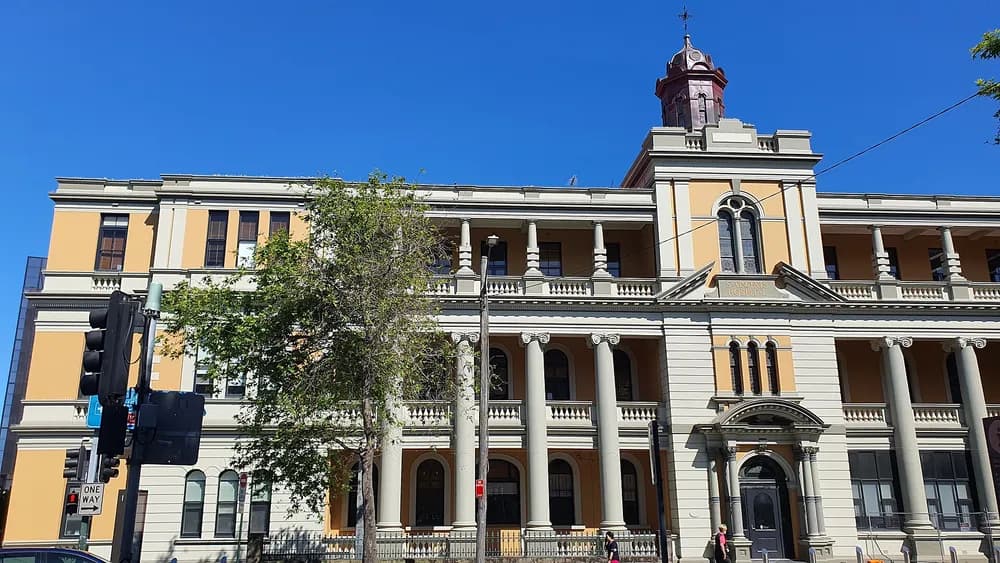
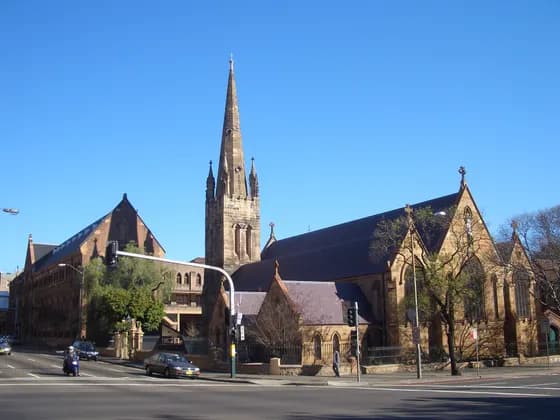
Notre Dame Sydney runs a 4-year graduate MD anchored at the Darlinghurst campus with placements across seven clinical schools in Sydney, Melbourne and rural NSW and Victoria — St Vincent's & Mater, Auburn, Hawkesbury, Lithgow and Wagga Wagga, plus Melbourne (Werribee Mercy) and Ballarat (St John of God), distinguished by an ethics-rich curriculum and CASPer-weighted selection.
What makes Notre Dame Sydney different
Notre Dame retired its selection Portfolio from the 2024 intake and put Casper in its place as the non-academic component; the interview format was not part of that change.
Casper is 30% of the pre-interview composite — the same weighting Notre Dame Fremantle uses — while Wollongong leans on Casper harder still, ranking for interview on 50% Casper plus 50% UOW admissions bonuses. Catholic ethos shapes the curriculum (medical ethics, end-of-life care, social justice) but the program is open to applicants of all faiths and none.
Strong placement network in Sydney Catholic and public hospitals, extending to Werribee Mercy and St John of God Ballarat in Victoria.
Notre Dame also runs entry pathways no other Australian medical school offers: a Priority Entry Pathway reserving MD places for its own Bachelor of Biomedical Science graduates (first Priority Entry in the 2026-27 intake, for students admitted to that degree from 2024 onwards; GPA >=6.0, unweighted GAMSAT >=55, Casper no lower than 1 SD below the mean, Notre Dame preferenced first through GEMSAS), plus facilitated interview pathways reaching the Sydney campus for Notre Dame undergraduate graduates (up to 10 across Fremantle and Sydney), Notre Dame Graduate Diploma or Master of Health and Medical Sciences graduates (up to 25) and ACU Bachelor of Biomedical Sciences graduates (up to 5, Sydney only).
Notre Dame's Pre-Medicine Certificate facilitated pathway is a Fremantle pathway and does not apply at Sydney. 2027 cycle: 40 CSP + 17 BMP + up to 57 full-fee domestic through GEMSAS, plus up to 35 full-fee international places that are NOT offered through GEMSAS in 2027 — international applicants must apply direct to Notre Dame's International Admissions Office.
GEMSAS notes the numbers are subject to change and that the quota includes the assured and priority pathways.
Notre Dame Sydney course & teaching
Integrated curriculum. 4-year graduate MD. Foundation Years 1-2 are delivered principally through Problem Based Learning in small groups led by a clinician; Clinical Years 3-4 run across seven clinical schools in Sydney, Melbourne and rural NSW and Victoria, allocated by ballot with student preferences taken into account but first preferences not guaranteed.
Ethics is an explicit part of the program — PHIL6030 Ethical Issues in Professional Life sits in Year Two and 'application of medical ethics to practice' is listed among the degree's essential elements — but UNDA does not describe a mandatory four-year ethics thread.
Notre Dame Sydney research strengths
Notre Dame Sydney is strong in these research areas:
- Medical ethics
- Palliative care
- Rural workforce
- Indigenous health
How the Notre Dame Sydney interview runs
Format: MMI (recorded/asynchronous online); live online panel for international applicants
Interview shortlist composite (2024+ cycles): 30% GAMSAT + 30% GPA + 30% CASPer + 10% bonus points. Final offer: 50% shortlist composite + 50% MMI. Interview shortlist composite: 30% GAMSAT + 30% GPA + 30% Casper + 10% bonus points; interviewees are then ranked for a place 50% on that composite and 50% on the interview.
The interview is a Multiple Mini Interview delivered via a recorded (asynchronous) online platform. Neither Notre Dame nor GEMSAS publishes the number of stations, the station timings, or the platform vendor for the 2027 cycle, and GEMSAS warns that any change to the interview process, or substitution of a suitable alternative, will be posted on the Notre Dame website.
International applicants, who apply direct rather than through GEMSAS, sit a live online panel interview instead, with all candidates asked the same questions. Notre Dame retains a Catholic ethics thread woven through the curriculum, but applicants of any faith (or none) are welcomed and adherence is not a selection criterion.
Notre Dame Sydney intake
2027 cycle: 40 CSP + 17 BMP + up to 57 full-fee domestic (via GEMSAS) + up to 35 full-fee international (direct to UNDA) — at most about 149 places. GEMSAS states the numbers are subject to change and that the quota includes the assured and priority pathways (GEMSAS Medical Schools Admission Guide, Notre Dame Sydney).
Where Notre Dame Sydney is
University of Notre Dame Australia (Sydney) School of Medicine was founded in 2008 and is based in Sydney.
Programmes offered:
- Medical Ethics
- Indigenous Health
- Rural Medicine
- Palliative Care