
Plymouth Dentistry Interview
Format, Questions & Prep Tips
Plymouth dentistry interviews for 2027 entry are multiple mini interviews (MMI). Plymouth describes the format as: Five-station MMI (online), ~55 minutes. Published figures: Average UCAT threshold (2023–25) Home 2650 · International 2613.
- Institution
- Peninsula Dental School (Plymouth)
- Interview (2027 entry)
- Not stated on the BDS page (Plymouth medicine interviews typically December – February)
- Decisions (2027 entry)
- Not published — offers follow interview ranking
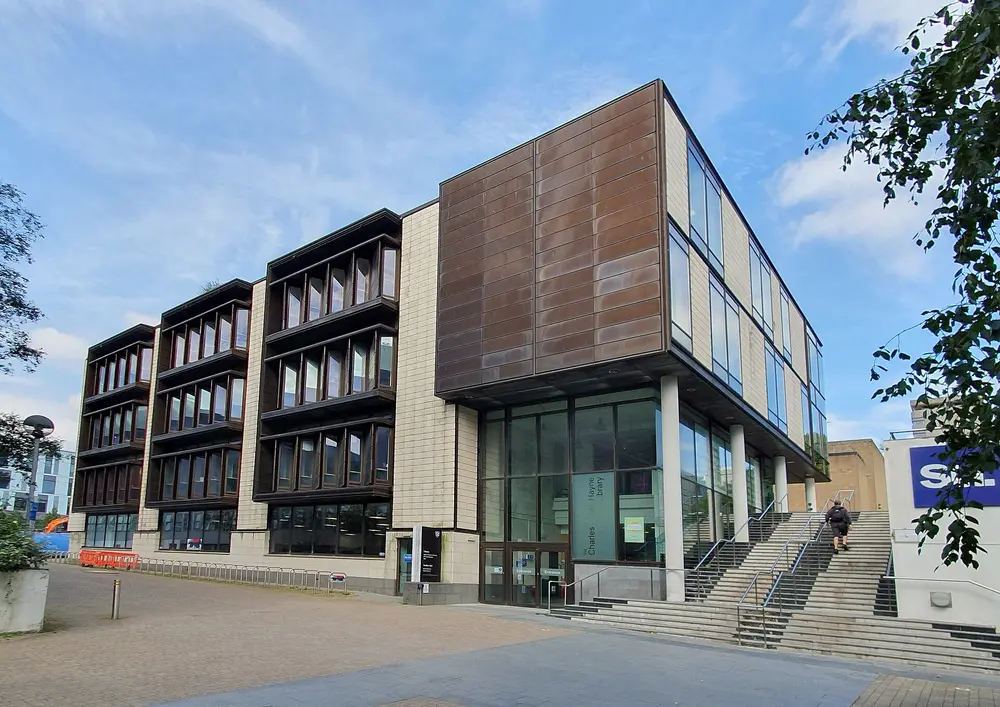
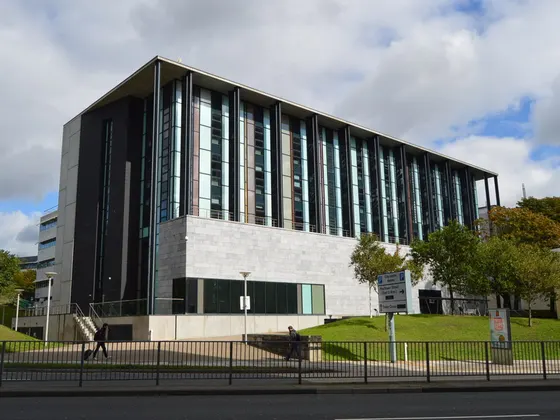


Photo: Mutney · CC BY 4.0 · cropped
Photo: N Chadwick · CC BY-SA 2.0 · Photo: Nilfanion · CC BY-SA 3.0 · Photo: Stephen Richards · CC BY-SA 2.0
Still deciding where to apply? Hear it from a student who's there
The University of Plymouth Peninsula Dental School runs one of the most distinctive dental admissions processes in the UK. The MMI format is paired with a strong community and outreach ethos — Plymouth was the first UK dental school to integrate community-based clinical learning from year one, and the interview deliberately tests whether applicants understand and value that mission.
Plymouth uses Multiple Mini Interviews (MMIs), and after interview candidates are ranked on their score, with the top performers offered places. Stations probe motivation for dentistry, communication, ethical reasoning, teamwork, and — critically for Plymouth — your awareness of oral health inequalities in underserved regions, particularly across the South West of England.
Shortlisting for interview uses academic qualifications and UCAT — personal statements and work experience are not considered — and the average UCAT threshold across 2023–2025 was 2650 for home and 2613 for international applicants. Contextual markers can be applied at interview for Peninsula Pathway students and applicants from South West rural and coastal postcodes. Plymouth admits a relatively small cohort each cycle to its 5-year BDS, and the school's commitment to producing dentists who serve regional and rural communities is reflected in the type of applicant they prioritise at interview.
Plymouth interview key facts (2027 entry)
| Average UCAT threshold (2023–25) | Home 2650 · International 2613 |
|---|---|
| Format | MMI; offers on interview ranking |
| Shortlisting | Academics + UCAT (no personal statement) |
Interview Format
- Multiple Mini Interviews (MMIs); candidates ranked on interview score for offers
- Contextual markers may be applied at interview (Peninsula Pathway; EX, PL, TR, TQ, TA postcodes)
- Strong focus on community-based learning ethos and regional outreach
- Oral-health-inequalities awareness is a recurring theme
- Shortlisting on academic qualifications and UCAT; personal statements and work experience not considered
- Interview mode not stated on the BDS page — Plymouth's medicine page says interviews are online for the current cycle
- Peninsula Dental Social Enterprise (PDSE) underpins the curriculum and may come up in conversation
Sample Interview Questions
Why dentistry, and why Plymouth Peninsula specifically?
Reference Peninsula's community-based learning model, the early clinical contact through PDSE, the regional focus on underserved South West communities, and the integrated 5-year BDS. Avoid generic "I like the city" answers.
What do you understand about the Peninsula Dental Social Enterprise (PDSE) and why does it matter?
PDSE is the social-enterprise arm that runs Peninsula's community dental clinics. Students learn there from early in the course. It matters because it embeds NHS-style, community-rooted dentistry into training from the start.
Many South West communities are described as "dental deserts". What does that mean, and what can a dentist do about it?
A "dental desert" is an area with little or no NHS dental access. Discuss prevention outreach, mobile clinics, contextual workforce planning, and advocacy. Plymouth values applicants who understand regional inequity.
(Possible station) A patient from a rural community has travelled 90 minutes for their appointment and is anxious about the journey home. Speak to them.
Empathy first. Acknowledge the effort. Run the appointment efficiently without rushing the patient. Discuss future appointment scheduling sensitively.
How would you explain a tooth extraction to a nervous adult patient?
Acknowledge anxiety. Use plain language. Walk through the steps. Offer control signals. Discuss aftercare clearly. Avoid jargon and minimise frightening words.
Should newly qualified dentists be required to serve in NHS roles in underserved areas before going private?
Engage with the workforce-policy debate. Balance autonomy and career freedom against equity of access. Reference international models (e.g. NHS bursary obligations, Australian rural service). Take a reasoned position.
Tell me about a time you worked with a team to help a community.
STAR framework. Plymouth particularly values community-orientated experiences — volunteering, outreach, charity work. Reflect on what you learned about the population you served.
What concerns you about a career in NHS dentistry?
Workforce crisis, UDA contract pressures, declining NHS dental provision, physical demands, business pressures. Show informed awareness and a realistic but optimistic stance — Plymouth wants applicants who can see the challenges and still want to do this.
A patient cannot afford private treatment that you recommend. What do you do?
Discuss alternatives — NHS treatment options, phased treatment plans, payment plans, signposting to other clinics. Don't make patients feel judged. Reference GDC duty to act in the patient's best interest.
Describe a piece of dental work experience that shifted your thinking.
Depth over breadth. Pick one moment that genuinely shifted your understanding of dental practice. Reflect on what you learned about either the patient relationship or the team dynamics.
Plymouth places students in community clinics from year one. How do you think that will shape your training?
Reflect on the value of early patient contact — communication confidence, understanding social determinants of oral health, learning to work within real clinical constraints. Show you understand and value the model.
(Station may include a map of NHS dental access across the UK.) What does this show, and what are the implications?
Describe what you see. Note the South West, parts of the East and rural areas often have worst access. Discuss workforce distribution, training pipelines and regional inequity. Avoid sweeping generalisations.
Should dentists be allowed to refuse patients who repeatedly miss appointments?
Balance practice viability against access. Discuss escalation policies (warnings, contracts) vs blanket refusal. Reference GDC guidance and the social determinants of missed appointments — transport, work shifts, caring responsibilities.
What manual dexterity skills do you have, and how have you developed them?
Concrete examples — sewing, painting, model-making, musical instruments. Reflect on improvement through practice. Plymouth doesn't formally test dexterity but expects you to be able to speak about it.
How would you approach an older patient who hasn't seen a dentist in 15 years?
Empathy first — no judgement about the gap. Build trust gradually. Plan treatment in achievable phases. Discuss prevention. Acknowledge anxiety about what might be found.
Practise the Plymouth interview
Rehearse the real format before the day — on demand with our AI interviewers, or live with a tutor.
Sit a mock with photoreal AI interviewers — any time
A timed MMI or panel interview on video — British & international voices — with interviewers who listen, react and press with follow-ups. Rubric-scored feedback and a replay the moment you finish.






Live mocks with a tutor who’s been in the room
A full Plymouth-style mock with a medic or dentist tutor — honest scoring against real marking criteria, a station-by-station debrief and a written action plan.
Book a mock interviewHow to Prepare
Research Peninsula Dental Social Enterprise (PDSE) and the community-clinic model — it's central to Plymouth's identity.
Read about NHS dental access in the South West — Plymouth wants applicants who understand and want to address regional inequity.
Have specific reasons for dentistry vs medicine — Plymouth tests dentistry-specific motivation.
Practise short, structured MMI answers under a timer, including on video in case your interview is online.
Read GDC "Standards for the Dental Team" — Plymouth anchors ethical reasoning against it.
Prepare reflection on community-orientated experiences — Plymouth values applicants with outreach or volunteering history.
Practise simulated-patient interactions — at least one role-play-style station typically appears.
Invited to interview at Plymouth? Say your first answer out loud today with the free two-minute warm-up drill, then sit a timed mock set up for Plymouth.
Common Pitfalls
Frequently Asked Questions
Related guides
Free, evidence-based guides from current UK medical and dental students.
Free Interview Resources
Worked-through MMI stations, ethics scenarios, and panel questions.
Read guideNHS Core Values Guide
The 6 NHS values examiners listen for in every interview answer.
Read guideMedical School Rankings
See interview format (MMI vs panel) for each UK medical school.
Read guideUCAS 2026 Personal Statement
The new three-question format your interviewer will reference.
Read guideContextual Offers for Medicine
Every UK medical school's widening-access scheme in one place.
Read guideSources & official admissions information
We cross-check every interview guide against the school’s own admissions guidance and the UK regulators.
- University of Plymouth (Peninsula Dental School) — BDS Dental Surgery — Shortlisting on academics + UCAT (no personal statement); MMI; offers on interview rank; average UCAT threshold 2023–25.
- University of Plymouth — Peninsula Medical School BMBS (shared admissions FAQ) — Medicine page: interviews typically December–February and online for the current admission cycle.
- UCAT Consortium — Official UCAT registration, test format, scoring methodology and free practice materials.
- General Dental Council (GDC) — recognised UK dental qualifications — Statutory regulator. Recognised dental qualifications and registered-dentist register.
- Dental Schools Council — Coordinated body of UK dental schools. Entry-requirements comparison and widening-participation initiatives.
Ready to nail your Plymouth interview?
Book a mock interview with a current dental student who recently went through the same process, or practise on demand with the AI interviewer.