
ETSU Quillen College of Medicine Interview
Format, Questions & Prep Tips
ETSU Quillen College of Medicine medicine interviews for 2027 entry are a traditional interview. Published figures: Annual MD class size ~75; Interview format Traditional individual or panel — 1–2 sessions, ~25–30 min each; MCAT median (est.) ~510.
- Institution
- East Tennessee State University James H. Quillen College of Medicine
- Interview (2027 entry)
- October through February; rolling invitations after secondary review
- Decisions (2027 entry)
- Rolling decisions through late March; waitlist movement through summer


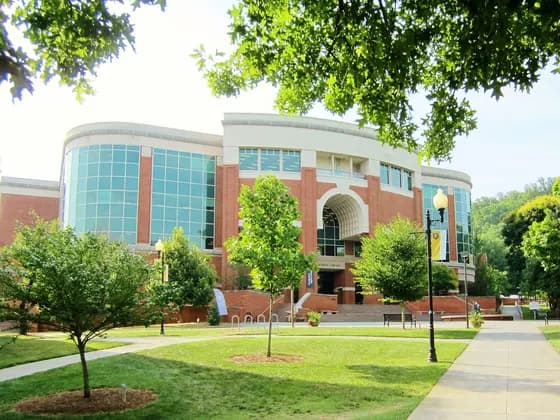

Photo: Smoke321 · CC BY-SA 4.0 · cropped
Photo: Smoke321 · CC BY-SA 4.0 · Photo: Smoke321 · CC BY-SA 4.0 · Photo: Mrgriffter · CC BY-SA 4.0
How to get into ETSU Quillen College of Medicine (MD) medicine
Step-by-step: entry requirements, admission tests, personal statement, interview format and the key deadlines.
Open the guide →ETSU Quillen College of Medicine (MD) entry requirements
Admission profile, interview format, decision dates and what makes ETSU Quillen College of Medicine (MD) different.
See the profile →The ETSU Quillen College of Medicine (MD) medicine interview
ETSU James H. Quillen College of Medicine uses a traditional individual or panel interview format — applicants meet one-on-one or in small panels with faculty and community physicians on the Johnson City campus. Typically one to two sessions of 25–30 minutes; interviewers have reviewed the full application.
Quillen’s mission is explicitly Appalachian: training physicians who will serve the rural mountain communities of Northeast Tennessee and the broader Appalachian region. Interviewers probe depth of Appalachian health knowledge, regional ties, and commitment to serving populations with disproportionately high burdens of opioid use disorder, cancer, cardiovascular disease, and poverty.
The school’s co-location with the James H. Quillen VA Medical Center is a distinctive feature. Expect questions that probe the AAMC Premed Competencies, with Service Orientation and Understanding Others given highest weight.
ETSU Quillen College of Medicine (MD) interview at a glance (2027 entry)
| Annual MD class size | ~75 |
|---|---|
| Interview format | Traditional individual or panel — 1–2 sessions, ~25–30 min each |
| Primary teaching hospital | James H. Quillen VA Medical Center (on-campus) |
| Application system | AMCAS |
| Interview window | October–February |
| MCAT median (est.) | ~510 |
Interview format
- Traditional individual or small-panel interviews with faculty and community physician educators; 1–2 sessions of 25–30 minutes.
- Interviewers are application-aware — expect specific questions about Appalachian ties, community service, and rural health experiences.
- Full day includes James H. Quillen VA Medical Center tour — a distinctive and impressive clinical facility on campus.
- Group admissions information session and student Q&A included.
- No MMI; entirely conversational and application-focused.
Working towards the MCAT score ETSU Quillen College of Medicine (MD) expects? Build a week-by-week plan from your test date — free for the first two weeks.
Sample interview questions
What do you know about health in Appalachian Tennessee, and why does this specific regional context motivate you to train at Quillen?
Reference specific Northeast TN health data: opioid mortality rates, cancer corridor along the Appalachian ridgeline, cardiovascular disease burden, tobacco use, food insecurity in mountain communities. Show genuine engagement, not vague rural sympathy.
How has your exposure to veterans' healthcare shaped your understanding of medicine, and how do you plan to use the Quillen VA partnership?
If you have veteran exposure, be specific. If not, show you have researched the VA's unique patient population: complex multi-morbidity, PTSD, traumatic brain injury, MST, substance use disorders, and end-of-life care.
A patient presents requesting opioids for chronic back pain after having previously been flagged in the PDMP for doctor shopping. How do you approach this visit?
This is central to Appalachian practice. Discuss non-judgmental assessment, PDMP review, urine drug screening, functional goals vs. pain scores, addiction medicine referral, multimodal pain management, and the risk of abandoning a patient with legitimate pain needs.
Northeast Tennessee communities have been severely affected by the opioid epidemic. What systemic changes would you advocate for as a physician in this community?
Reference harm reduction (naloxone distribution, needle exchange), SAMHSA funding, buprenorphine waiver (now removed under DATA 2000 reform), PDMP improvement, mental health integration in primary care, and community health worker programs.
How would you approach a first visit with an Appalachian patient who has deeply held distrust of the healthcare system based on past negative experiences?
Acknowledge the legitimacy of medical distrust in Appalachian communities (historical experimentation, disrespect, geographic abandonment). Show patience, listening before advising, respecting lay health knowledge, and long-term relationship-building.
What research question about Appalachian or rural health would you most want to investigate during your time at Quillen?
Be specific — opioid recovery outcomes in rural TN, cancer screening disparities in mountain communities, telehealth feasibility in broadband-limited areas, food insecurity and diabetes in Johnson City metro, veteran mental health in rural areas.
A terminally ill veteran at the VA asks you to help them end their life more quickly. How do you respond in this specific context?
Address VA-specific regulations (no MAID in federal facilities), palliative care and hospice resources within the VA system, veteran-specific end-of-life challenges (service-related trauma, isolation), and ensuring the patient does not feel abandoned.
Do you plan to stay in Appalachian Tennessee after residency? What would it take to commit to a long-term practice here?
Be honest and thoughtful — discuss loan repayment (NHSC, state programs), the rewards of community-based longitudinal care, and what personal factors affect your commitment decision. Avoid false certainty if you genuinely don't know yet.
Describe a time you worked with a patient or community member whose health behaviors you found difficult to understand from your own background. How did you respond?
Show genuine curiosity and suspension of judgment. Focus on understanding context (economic, cultural, historical) before offering advice. Avoid any tone of superiority about health literacy or lifestyle choices.
Tobacco use remains extremely prevalent in Northeast Tennessee communities. A patient smokes two packs a day and tells you they have no interest in quitting. How do you proceed?
Demonstrate motivational interviewing approach — brief advice, assess readiness, not lecturing. Discuss harm reduction options, recording the conversation, respecting autonomy while documenting risks, and keeping the door open for future engagement.
[Role-play] You are a Quillen student in a rural Northeast Tennessee clinic. A patient in recovery from opioid use disorder is anxious that a new clinician will treat them as 'just an addict' and is reluctant to discuss their pain honestly. Respond to the patient.
Lead with non-judgmental respect; acknowledge the stigma they have faced. Build trust, separate the person from the diagnosis, and reassure them that honest information helps you care for them safely. Central to Appalachian practice, which Quillen prioritizes.
An interviewer shows you County Health Rankings data for several Northeast Tennessee counties, worse on most measures than the state and national averages. How do you interpret this, and what more would you want to know before drawing conclusions?
Distinguish ranking from cause; name structural drivers (poverty, geographic isolation, tobacco, opioid burden, limited specialist access) and confounders. Connect to Quillen's Appalachian mission without over-reading a single ranking.
An older Appalachian patient relies on traditional remedies and family advice and is skeptical of a treatment you recommend. How do you discuss it without dismissing their knowledge or their community?
What they are listening for:
- Cultural humility
- respecting lay and family health knowledge
- motivational interviewing
- finding safe integration rather than confrontation
Quillen weights this highly given documented medical distrust in Appalachian communities.
Tell me about a time you became genuinely curious about why a community had worse health outcomes than its neighbors, and what you did to understand it better.
Show self-directed inquiry into rural or Appalachian health drivers rather than assigned work. Connect to the ETSU Center for Appalachian Health's research focus and demonstrate the curiosity-plus-action pattern Quillen values.
Tell me about a time you stayed and kept working at something in a place others were leaving. What did that teach you about commitment?
Quillen needs physicians who will stay in Appalachia rather than rotate through. Use a genuine example of durable commitment and connect it honestly to the retention question — avoid false certainty if you are still deciding.
Practise the ETSU Quillen College of Medicine (MD) interview
Rehearse the real format before the day — on demand with our AI interviewers, or live with a tutor.
Sit a mock with photoreal AI interviewers — any time
A timed MMI or panel interview on video — American & international voices — with interviewers who listen, react and press with follow-ups. Rubric-scored feedback and a replay the moment you finish.






Live mocks with a tutor who’s been in the room
A full ETSU Quillen College of Medicine (MD)-style mock with a medic or dentist tutor — honest scoring against real marking criteria, a station-by-station debrief and a written action plan.
Book a mock interviewHow to prepare for the ETSU Quillen College of Medicine (MD) interview
Common pitfalls to avoid
ETSU Quillen College of Medicine (MD) interview — frequently asked questions
Sources & official admissions information
Ready to nail your ETSU Quillen College of Medicine (MD) interview?
Book a mock interview with a tutor who knows the US interview formats, orpractice unlimited stations from our interview question bank.