
LECOM School of Dental Medicine Interview
Format, Questions & Prep Tips
LECOM School of Dental Medicine dentistry interviews for 2027 entry are a traditional interview, held October 2026 through February 2027. Published figures: Annual DMD class size ~100; Tuition (2025–26) ~USD 55,000–60,000/year (estimate).
- Institution
- LECOM School of Dental Medicine
- Interview (2027 entry)
- October through February
- Decisions (2027 entry)
- Rolling decisions; waitlist through spring

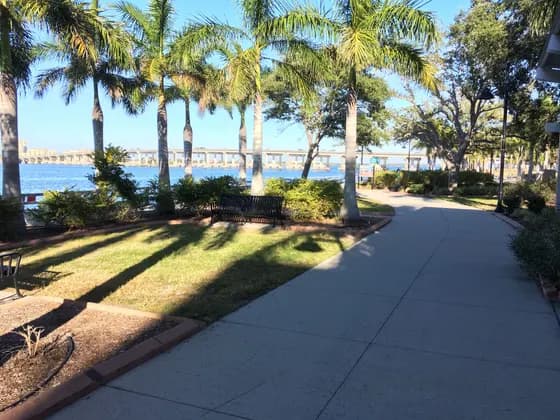
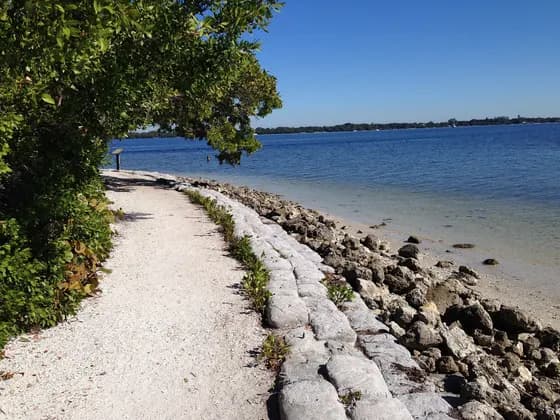
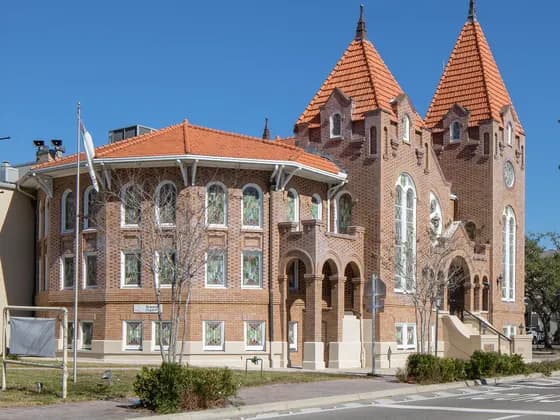
Photo: Oceanside810 · CC0 · cropped
Photo: Sanibel sun · CC BY-SA 4.0 · Photo: Fredlyfish4 · CC BY-SA 4.0 · Photo: Paul R. Burley · CC BY-SA 4.0
How to get into LECOM School of Dental Medicine (DMD) dentistry
Step-by-step: entry requirements, admission tests, personal statement, interview format and the key deadlines.
Open the guide →LECOM School of Dental Medicine (DMD) entry requirements
Admission profile, interview format, decision dates and what makes LECOM School of Dental Medicine (DMD) different.
See the profile →The LECOM School of Dental Medicine (DMD) dentistry interview
LECOM School of Dental Medicine uses a traditional one-on-one interview format at its Bradenton, Florida campus. LECOM is an osteopathic health sciences institution — its dental school shares facilities with LECOM medical students, making interprofessional health education a core program theme.
LECOM employs a problem-based, self-directed learning model. Interviewers specifically probe whether applicants can thrive without daily lectures and whether they are genuinely self-motivated learners. Be prepared to describe how you manage independent study.
Dental interview questions probe manual dexterity experiences, oral-systemic health awareness, ADA ethics principles, and access to care themes consistent with ADEA AADSAS dental school priorities.
LECOM School of Dental Medicine (DMD) interview at a glance (2027 entry)
| Annual DMD class size | ~100 |
|---|---|
| Interview format | Traditional — one-on-one faculty session |
| DAT required | Yes — via ADEA AADSAS |
| Tuition (2025–26) | ~USD 55,000–60,000/year (estimate) |
| Application system | ADEA AADSAS primary + LECOM secondary |
| Interview window | October–February |
Interview format
- Single one-on-one faculty session, ~30–45 minutes.
- Campus tour, financial aid presentation, and group orientation included on interview day.
- No MMI.
Sample interview questions
LECOM uses problem-based, self-directed learning rather than traditional lectures. How have you demonstrated the ability to learn independently, and why does this model appeal to you?
Give a concrete example of self-directed learning — a project, research experience, or self-study that succeeded without external structure. Connect it genuinely to PBL.
A patient declines a recommended treatment because of cost. You know the condition will worsen. Under ADA ethics principles, how do you handle the conversation?
ADA Code of Ethics: patient autonomy, beneficence, nonmaleficence, justice. Respect informed refusal while documenting, exploring alternatives, and ensuring the patient understands consequences.
Describe an activity that demonstrates your manual dexterity. Why is fine motor skill important in dentistry?
Sculpture, art, music, laboratory work, or craft hobbies are all valid. Connect to precision required in restorative procedures, root canal preparation, and surgical technique.
LECOM Dental shares a campus with medical and pharmacy students. How do you see the dentist's role in an interprofessional healthcare team?
Oral-systemic connections:
- periodontal disease and cardiovascular risk
- diabetes
- pregnancy outcomes
The dentist as co-manager of systemic inflammation, medication reconciliation, and referral coordination.
Florida has a large elderly population with significant oral health disparities. What barriers do older adults face in accessing dental care?
Medicare does not cover routine dental care; fixed incomes; mobility limitations; polypharmacy-related xerostomia. Discuss how dental schools and community clinics address these gaps.
You notice a classmate is struggling with the self-directed study format and falling behind. What do you do?
Peer support without overstepping — conversation, pointing to resources, faculty mentorship. Professional responsibility to the patient safety implications of underprepared colleagues.
Do you intend to pursue general dentistry or a specialty? How has your dental shadowing shaped that direction?
Be honest and specific. If undecided, that is fine — show you understand what different specialties involve and what drew you to particular cases you observed.
Why LECOM Dental specifically — why not one of Florida's other dental schools?
What they are listening for:
- PBL model
- interprofessional campus
- Gulf Coast patient demographics
- osteopathic institution values
Show genuine research rather than a generic Florida answer.
A patient at the LECOM clinic is in clear pain from an abscess but becomes anxious and asks to leave before you can begin treatment. How do you manage the appointment?
Validate the fear, explain the urgency simply, offer sedation or pacing options, and give the patient a sense of control. Balance respect for autonomy with addressing acute pain.
Your PBL group has one member who consistently arrives unprepared, leaving the rest to carry the case. How do you address it within the group?
What they are listening for:
- Direct
- respectful peer communication first
- then escalate to a facilitator if needed
Tests professionalism and collaboration in LECOM's self-directed, group-based model specifically.
Florida has a large elderly population. If you were shown county data on emergency-department visits for dental problems among older adults, what would that suggest about the dental system, and what would you want to verify?
ED visits for dental issues signal access failure (no Medicare dental coverage, dentist supply, mobility); verify trends and denominators. Connect to LECOM's Gulf Coast geriatric context.
How would you explain to an older patient on multiple medications why their dry mouth is raising their decay risk, and what they can do about it?
Plain-language link between polypharmacy, xerostomia, and caries; concrete, achievable steps. Relevant to LECOM's elderly Florida patient base and the oral-systemic theme.
LECOM's self-directed model removes daily lectures and external structure. Tell us about a time your own discipline carried you through something with no one checking on you.
Concrete evidence of self-motivation and accountability — the single most important fit factor at LECOM. A real example beats a stated preference for independence.
You realize a classmate may be unprepared to safely perform a clinical procedure on a patient. What is your responsibility, and what do you do?
Patient safety over peer loyalty: raise the concern through appropriate channels. Demonstrates professional accountability, which matters more in a self-directed program where oversight is less constant.
A patient requests an extraction of a tooth you believe is restorable, simply because extraction is cheaper. How do you handle it under ADA ethics?
Apply autonomy, beneficence, nonmaleficence, and informed consent: explain options and consequences, respect an informed choice, and document. Show balanced reasoning, not a reflexive refusal.
Practise the LECOM School of Dental Medicine (DMD) interview
Rehearse the real format before the day — on demand with our AI interviewers, or live with a tutor.
Sit a mock with photoreal AI interviewers — any time
A timed MMI or panel interview on video — American & international voices — with interviewers who listen, react and press with follow-ups. Rubric-scored feedback and a replay the moment you finish.






Live mocks with a tutor who’s been in the room
A full LECOM School of Dental Medicine (DMD)-style mock with a medic or dentist tutor — honest scoring against real marking criteria, a station-by-station debrief and a written action plan.
Book a mock interviewHow to prepare for the LECOM School of Dental Medicine (DMD) interview
Common pitfalls to avoid
LECOM School of Dental Medicine (DMD) interview — frequently asked questions
Sources & official admissions information
Ready to nail your LECOM School of Dental Medicine (DMD) interview?
Book a mock interview with a tutor who knows the US interview formats, orpractice unlimited stations from our interview question bank.