
UMMC School of Dentistry Interview
Format, Questions & Prep Tips
UMMC School of Dentistry dentistry interviews for 2027 entry are multiple mini interviews (MMI), held October 2026 through February 2027. Published figures: Annual DMD class size ~35–45; Tuition (2025–26) ~USD 20,000 (in-state) / USD 45,000 (out-of-state) (estimate).
- Institution
- University of Mississippi Medical Center School of Dentistry
- Interview (2027 entry)
- October through February
- Decisions (2027 entry)
- Rolling decisions; very strong Mississippi resident preference; waitlist through spring
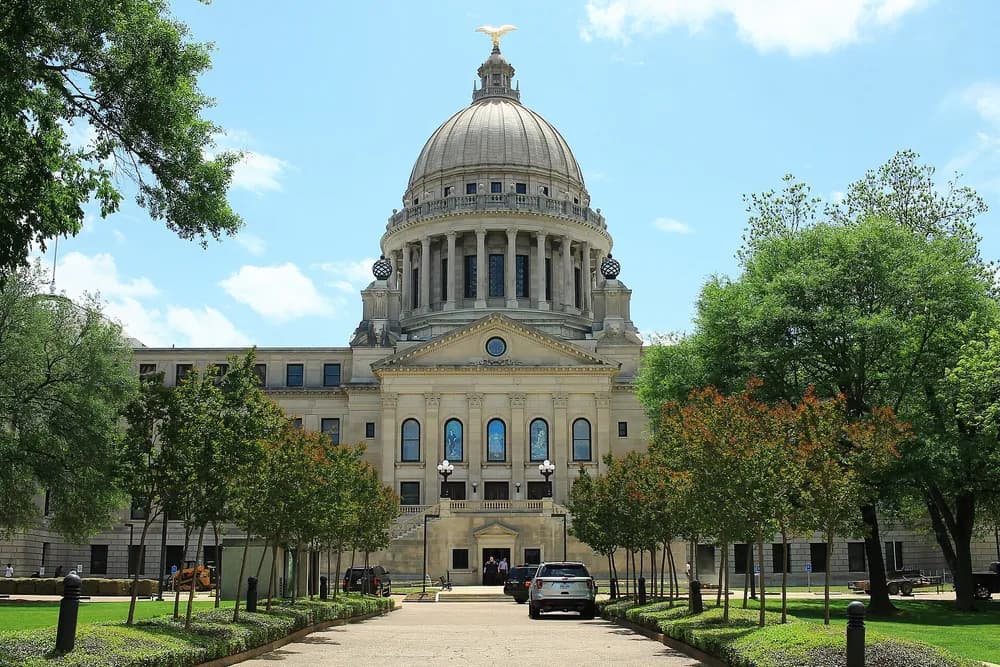

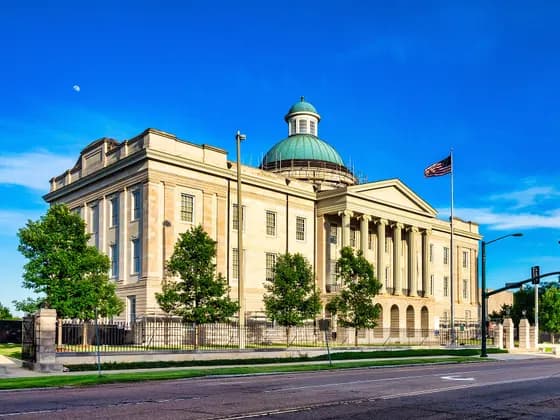
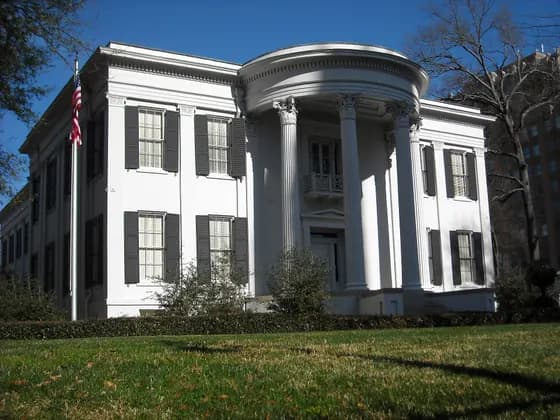
Photo: formulanone from Huntsville, United States · CC BY-SA 2.0 · cropped
Photo: Allstarecho · Public domain · Photo: Tom Beck · CC BY-SA 4.0 · Photo: /\ \/\/ /\ from Jackson Mississippi, USA · CC BY-SA 2.0
How to get into UMMC School of Dentistry (DMD) dentistry
Step-by-step: entry requirements, admission tests, personal statement, interview format and the key deadlines.
Open the guide →UMMC School of Dentistry (DMD) entry requirements
Admission profile, interview format, decision dates and what makes UMMC School of Dentistry (DMD) different.
See the profile →The UMMC School of Dentistry (DMD) dentistry interview
UMMC School of Dentistry uses a traditional one-on-one interview format at its Jackson campus. UMMC Dental is the only dental school in Mississippi — the state ranks among the worst in the US for oral health outcomes, and this school’s mission is to change that.
Co-located with UMMC Medical School and University Medical Center Mississippi — interprofessional training is embedded. The interview process has an exceptional focus on genuine commitment to serving Mississippi’s underserved communities.
All applications via ADEA AADSAS; DAT required. Very strong Mississippi resident preference (~90% of each class). Out-of-state seats are very limited.
UMMC School of Dentistry (DMD) interview at a glance (2027 entry)
| Annual DMD class size | ~35–45 |
|---|---|
| Interview format | Traditional — one-on-one faculty sessions |
| DAT required | Yes — via ADEA AADSAS |
| Tuition (2025–26) | ~USD 20,000 (in-state) / USD 45,000 (out-of-state) (estimate) |
| Application system | ADEA AADSAS primary + UMMC secondary |
| Interview window | October–February |
Interview format
- One or two one-on-one faculty sessions; ~30–45 minutes each.
- UMMC campus and dental clinic tour included.
- No MMI.
Sample interview questions
Mississippi has the worst oral health outcomes of any US state by multiple measures. What drives this, and what must UMMC Dental graduates do to address it?
Poverty, lack of dental insurance, rural access barriers, Medicaid adult dental coverage gaps, cultural healthcare avoidance, high rates of tobacco use and diet-related dental disease. UMMC graduates who practice in Mississippi vs. leaving the state.
Why train at UMMC Dental specifically — the only dental school in one of the most underserved states in the country?
What they are listening for:
- Mississippi ties
- UMMC health system
- interprofessional campus
- commitment to the state's oral health mission
Authentic and specific — generic answers will not satisfy an interviewer at a school with this mission.
A patient presents with severe, untreated dental disease and admits to having avoided the dentist for 20 years. They are embarrassed and apologize repeatedly. How do you create an environment where they can receive care?
What they are listening for:
- Destigmatization
- non-judgmental communication
- focus on solutions not blame
- phased treatment planning
- patient-centered communication
Dental shame and avoidance are pervasive in Mississippi and addressing it is a clinical skill.
Mississippi has among the highest rates of hypertension and Type 2 diabetes in the United States. How do these conditions affect your dental treatment planning?
Hypertension and local anesthetic epinephrine limits; calcium channel blocker-induced gingival hyperplasia; diabetes and impaired healing, increased infection risk; physician coordination; patient education on systemic-oral connections.
Describe an activity that demonstrates your manual dexterity and how it prepares you for the technical demands of dentistry.
Specific activity — art, woodworking, suturing practice, dental assisting. Connect to crown preparation margins, composite polishing, or surgical extraction technique.
UMMC has medical, nursing, pharmacy, and health-related professions schools on one campus. How would you take advantage of this interprofessional environment?
What they are listening for:
- Shared Grand Rounds
- oral-systemic case consultations with medicine and pharmacy
- social work collaboration for complex patients
- referral relationship building
What specific aspects of UMMC School of Dentistry's program and patient population align with your career goals?
What they are listening for:
- UMMC Health System
- diverse and high-needs patient population
- interprofessional campus
- community outreach program
Show genuine program research.
After graduating from UMMC Dental, what is your plan — where will you practice and why?
Mississippi practice is valued. Rural Mississippi, community health center dentistry, or general practice serving underserved populations. NHSC loan repayment for rural or underserved area practice.
Mississippi ranks at or near the bottom nationally on several oral-health measures while also having among the highest rates of diabetes and hypertension. How do you see those statistics interacting in the patients you would treat?
Chronic systemic disease and poor oral health share risk factors and worsen each other; poverty and coverage gaps link them. Show integrated reasoning rather than listing separately. Hedge specific rankings.
A patient in the Mississippi Delta with poorly controlled diabetes needs surgical periodontal treatment but has missed several appointments due to distance and cost. How do you plan their care?
What they are listening for:
- Coordinate glycaemic control with their physician
- prioritize and consolidate treatment
- address transport/cost barriers
- set realistic healing expectations
The oral-systemic and access realities UMMC graduates face.
At a UMMC interprofessional case conference, how would you make the case to the medical and pharmacy teams that managing this patient's periodontal disease could help their diabetes control?
Present the bidirectional evidence plainly, make a specific collaborative ask, and propose shared monitoring. Demonstrates the co-located academic medical center as functioning teamwork, not just proximity.
An out-of-state classmate plans to take a UMMC seat purely for low tuition and leave Mississippi immediately after graduating. Given how few seats exist and the state's needs, how do you feel about that?
Engage with the tension between individual choice and a tiny, state-subsidized, mission-critical class without moralizing. Distinguish opinion from anything actionable; reflect on what the public investment is meant to achieve.
UMMC's class is very small and almost entirely in-state. How does training in such a small, mission-focused cohort fit the dentist you want to become, and what is your honest tie to Mississippi?
What they are listening for:
- Close mentorship
- shared mission
- deep state-specific exposure
Be candid about your Mississippi connection — with ~90% in-state, authenticity about ties and intent to serve the state is essential.
A Mississippi Delta patient with both uncontrolled hypertension and Type 2 diabetes needs surgical periodontal treatment. Walk me through how their two conditions jointly shape your plan.
What they are listening for:
- Coordinate blood-pressure and glycaemic control with their physician before elective surgery
- adjust anesthetic and healing expectations
- watch infection risk
- plan close follow-up
Integrated reasoning across both conditions, not one at a time.
A patient who has avoided dentists for 20 years out of fear and shame finally arrives with extensive disease and is on the verge of leaving the chair. How do you keep them engaged?
Slow down, validate the fear without judgment, give them control over pace, start with the smallest non-threatening step, and rebuild trust over visits. Destigmatizing dental avoidance is a core clinical skill for UMMC's population.
Practise the UMMC School of Dentistry (DMD) interview
Rehearse the real format before the day — on demand with our AI interviewers, or live with a tutor.
Sit a mock with photoreal AI interviewers — any time
A timed MMI or panel interview on video — American & international voices — with interviewers who listen, react and press with follow-ups. Rubric-scored feedback and a replay the moment you finish.






Live mocks with a tutor who’s been in the room
A full UMMC School of Dentistry (DMD)-style mock with a medic or dentist tutor — honest scoring against real marking criteria, a station-by-station debrief and a written action plan.
Book a mock interviewHow to prepare for the UMMC School of Dentistry (DMD) interview
Common pitfalls to avoid
UMMC School of Dentistry (DMD) interview — frequently asked questions
Sources & official admissions information
Ready to nail your UMMC School of Dentistry (DMD) interview?
Book a mock interview with a tutor who knows the US interview formats, orpractice unlimited stations from our interview question bank.