
University of Oklahoma College of Dentistry Interview
Format, Questions & Prep Tips
University of Oklahoma College of Dentistry dentistry interviews for 2027 entry are a traditional interview. Published figures: Annual DDS class size ~55.
- Institution
- University of Oklahoma College of Dentistry
- Interview (2027 entry)
- September through February; rolling invitations after secondary review
- Decisions (2027 entry)
- Rolling decisions issued 4–8 weeks post-interview

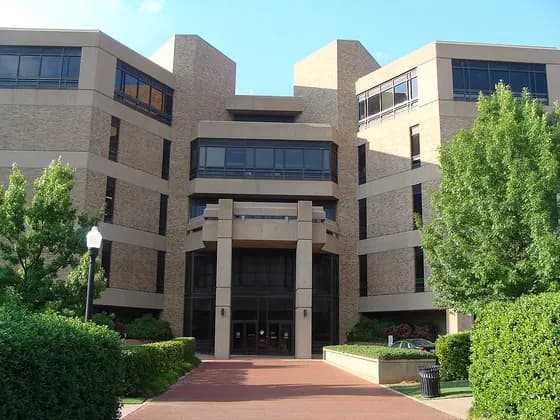
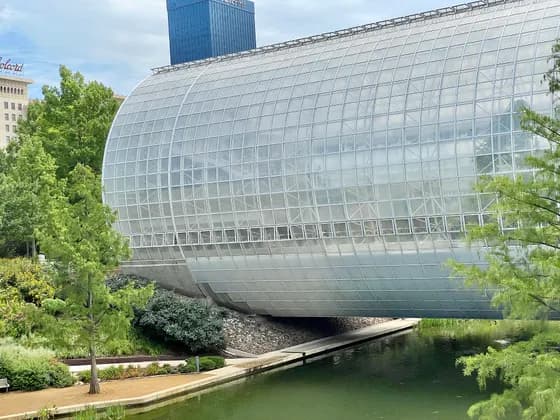
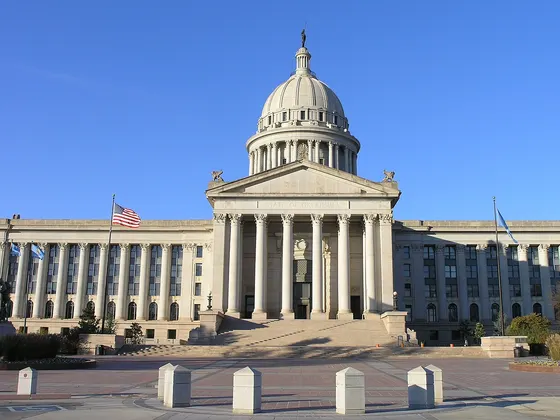
Photo: Nightryder84 · CC BY-SA 3.0 · cropped
Photo: Nightryder84 · CC BY-SA 3.0 · Photo: w_lemay · CC BY-SA 2.0 · Photo: Daniel Mayer · CC BY-SA 3.0
How to get into University of Oklahoma College of Dentistry (DDS) dentistry
Step-by-step: entry requirements, admission tests, personal statement, interview format and the key deadlines.
Open the guide →University of Oklahoma College of Dentistry (DDS) entry requirements
Admission profile, interview format, decision dates and what makes University of Oklahoma College of Dentistry (DDS) different.
See the profile →The University of Oklahoma College of Dentistry (DDS) dentistry interview
The University of Oklahoma College of Dentistry uses a traditional one-on-one or panel interview format at its Oklahoma City Health Sciences Center campus. Founded in 1909, OU Dentistry is the only dental school in Oklahoma, making it the state’s sole dental workforce training institution with a deep obligation to address oral health disparities across Oklahoma’s urban, rural, and tribal communities.
Oklahoma residents receive strong preference, and interviewers actively probe candidates’ connection to the state and their awareness of its dental access challenges — particularly in rural counties and Native American tribal communities.
The school uses ADEA AADSAS. DAT is required. OU Dentistry interviewers place particular weight on interpersonal skills and community awareness, reflecting the school’s workforce mission.
University of Oklahoma College of Dentistry (DDS) interview at a glance (2027 entry)
| Annual DDS class size | ~55 |
|---|---|
| Interview format | Traditional one-on-one or panel faculty interview |
| DAT required | Yes — via ADEA AADSAS |
| In-state preference | Strong — only dental school in Oklahoma |
| Application system | ADEA AADSAS primary + OU secondary |
| Interview window | September–February |
Interview format
- Traditional one-on-one or small panel faculty interview, approximately 30–45 minutes.
- Clinic and simulation laboratory tour at the OU Health Sciences Center dental complex.
- Interaction with current DDS students.
- Admissions information session covering curriculum and community outreach programs.
Sample interview questions
Why do you want to train in Oklahoma specifically, and where do you see yourself practicing after graduation?
Oklahoma residency and post-graduation intent to practice in-state are weighted heavily. Be specific about Oklahoma communities, rural counties, or tribal health needs you are aware of.
As the only dental school in Oklahoma, OU Dentistry has a special responsibility. How do you see yourself contributing to Oklahoma's dental workforce?
Show understanding of Oklahoma's dental provider shortage geography — rural, tribal, and frontier communities have significant unmet dental needs. Be concrete about your vision.
A Native American patient presents in pain but declines conventional treatment, preferring to consult with their tribal healer first. How do you approach this?
What they are listening for:
- Cultural humility
- patient autonomy
- informed consent
- respectful collaboration with traditional healing practices
Oklahoma has significant Native American populations and OU Dentistry trains culturally competent dentists for tribal health contexts.
Describe an experience working with patients or community members from a different cultural background than your own. What did you learn?
Cultural competency in dental care is central to OU's mission. Avoid generalizations — show specific, respectful engagement with cultural difference and what it taught you.
Walk me through your dental shadowing experience — what specific clinical procedures did you observe and what did they teach you about dentistry?
Be specific: name procedures, describe patient interactions, and reflect on what you learned about the dentist's diagnostic and communication skills. Vague answers reveal superficial preparation.
A patient in your rural Oklahoma practice cannot afford a recommended crown. What options do you explore?
Cover Medicaid dental, sliding-scale fees, community health center resources, dental school clinic referrals, and alternative clinical approaches. Show you understand the financial barriers low-income rural patients face.
What do you know about Oklahoma's oral health statistics, and what do they tell you about the state's dental needs?
Research Oklahoma oral health data: decay rates, access shortages by county, Medicaid dental coverage gaps, and tribal community oral health disparities. Knowing the numbers shows genuine commitment to the mission.
How have you developed and assessed your manual dexterity for dental procedures?
Discuss activities showing fine motor skill development. Self-awareness about your manual ability and steps taken to improve it show dental maturity.
You are the only dentist in a small Oklahoma town. A patient needs a specialist referral that would require a 200-mile round trip. How do you manage this?
Rural dental practice realities: scope of practice, teledentistry, traveling specialist services, patient navigation support, and knowing your clinical limits. OU graduates practice in exactly these environments.
How would you build trust with a patient who has avoided the dentist for many years due to dental anxiety?
What they are listening for:
- Trust-building
- motivational interviewing
- pacing treatment
- anxiety management techniques
- patience
Dental anxiety is a major barrier to access in underserved communities.
An Oklahoma oral-health report shows several rural and frontier counties with no practicing general dentist and high rates of untreated decay. As the state's only dental school, how should OU read and respond to that?
Connect the workforce gap to OU's pipeline responsibility — recruitment from underserved areas, service-linked training, teledentistry, and loan-forgiveness incentives. Move from the data to OU's specific mission, not generic access talk.
Your simulated patient is an older man from a small Oklahoma town who is stoic, downplays significant pain, and resists a treatment plan he thinks is 'too much fuss'. How do you proceed?
Respect his framing, calibrate to his goals, address the urgent issue plainly, and build a realistic plan he will accept. Rural practice means meeting patients where they are rather than imposing an ideal plan.
Explain how community water fluoridation reduces decay, and how you would respond to an Oklahoma town considering ending fluoridation over safety fears.
Explain the mechanism and the strong safety and caries-reduction evidence at recommended levels, acknowledge concerns respectfully, and cite credible sources. Public-health literacy is central to OU's workforce mission.
While serving a tribal health clinic, you sense the standard consent process does not fit the patient's cultural framework for decision-making. How do you handle informed consent respectfully?
Cultural humility plus the non-negotiable core of informed consent — adapt communication and involve family or community as the patient wishes, without abandoning genuine understanding and voluntariness. OU trains dentists for tribal health contexts.
Describe a time you earned the trust of someone or a community that was initially wary of outsiders. What did you do?
What they are listening for:
- Specific
- humble
- reflective
Rural and tribal Oklahoma practice depends on trust earned over time; show you understand it is built through consistency and respect, not credentials.
Practise the University of Oklahoma College of Dentistry (DDS) interview
Rehearse the real format before the day — on demand with our AI interviewers, or live with a tutor.
Sit a mock with photoreal AI interviewers — any time
A timed MMI or panel interview on video — American & international voices — with interviewers who listen, react and press with follow-ups. Rubric-scored feedback and a replay the moment you finish.



Live mocks with a tutor who’s been in the room
A full University of Oklahoma College of Dentistry (DDS)-style mock with a medic or dentist tutor — honest scoring against real marking criteria, a station-by-station debrief and a written action plan.
Book a mock interviewHow to prepare for the University of Oklahoma College of Dentistry (DDS) interview
Common pitfalls to avoid
University of Oklahoma College of Dentistry (DDS) interview — frequently asked questions
Sources & official admissions information
Ready to nail your University of Oklahoma College of Dentistry (DDS) interview?
Book a mock interview with a tutor who knows the US interview formats, orpractice unlimited stations from our interview question bank.