
University of New Mexico School of Medicine Interview
Format, Questions & Prep Tips
University of New Mexico School of Medicine medicine interviews for 2027 entry are a traditional interview. University of New Mexico School of Medicine describes the format as: Two Zoom interviews with two different admissions committee members, 30 minutes to an hour each. Published figures: Annual MD class size ~80–85; Interview format Traditional panel — 1–2 interviewers, ~30–45 min; MCAT median ~506.
- Institution
- University of New Mexico School of Medicine
- Interview (2027 entry)
- September through February; rolling invitations
- Decisions (2027 entry)
- Rolling decisions; most offers by March 30; waitlist movement through summer

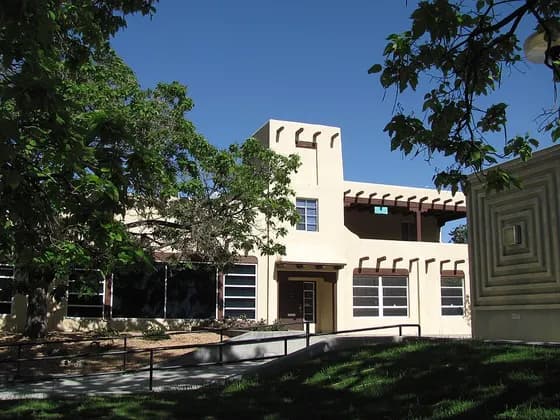
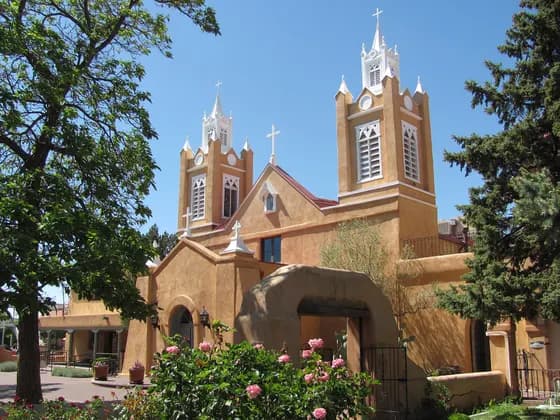
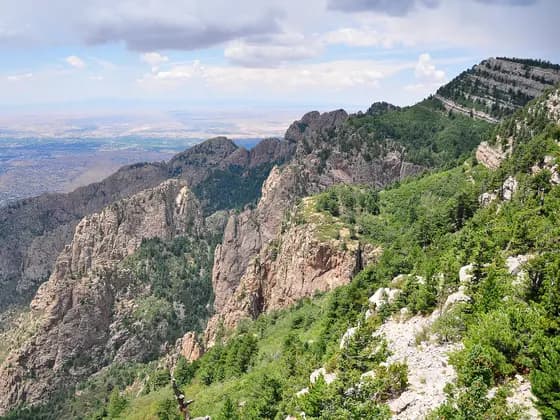
Photo: Kenneth C. Zirkel · CC BY 4.0 · cropped
Photo: John Phelan · CC BY 3.0 · Photo: John Phelan · CC BY 3.0 · Photo: Kimberly Vardeman · CC BY 2.0
How to get into University of New Mexico School of Medicine (MD) medicine
Step-by-step: entry requirements, admission tests, personal statement, interview format and the key deadlines.
Open the guide →University of New Mexico School of Medicine (MD) entry requirements
Admission profile, interview format, decision dates and what makes University of New Mexico School of Medicine (MD) different.
See the profile →The University of New Mexico School of Medicine (MD) medicine interview
The University of New Mexico School of Medicine uses a traditional panel interview format. Applicants meet with faculty members, clinicians, or medical students in one or two sessions of 30–45 minutes. Interviewers have reviewed the full application in advance.
UNM SOM is the only medical school in New Mexico and serves the most ethnically diverse state population in the US — approximately 50% Hispanic/Latino and 11% Native American. Every interview probes cultural competency, tribal and rural health commitment, and New Mexico ties. Candidates without genuine grounding in these dimensions will not be competitive.
The school explicitly values Spanish language proficiency, tribal or pueblo health experience, and lived experience in rural, frontier, or underserved New Mexico communities. These are not nice-to-haves — they are core admissions criteria.
University of New Mexico School of Medicine (MD) interview at a glance (2027 entry)
| Annual MD class size | ~80–85 |
|---|---|
| Interview format | Traditional panel — 1–2 interviewers, ~30–45 min |
| MCAT median | ~506 |
| GPA median | ~3.73 |
| Application system | AMCAS |
| Interview window | September–February |
| In-state preference | Very strong (~90–95% NM residents) |
Interview format
- One or two traditional one-on-one or two-on-one sessions with faculty or medical students.
- Sessions run ~30–45 minutes; full interview day spans ~4–6 hours.
- Non-blind — interviewers read your full application and reference specific activities and essays.
- Cultural competency, Spanish proficiency (if applicable), and tribal/rural health experience are explicit evaluation criteria.
- Informal student interaction throughout the day is part of the holistic evaluation.
Working towards the MCAT score University of New Mexico School of Medicine (MD) expects? Build a week-by-week plan from your test date — free for the first two weeks.
Sample interview questions
Why the University of New Mexico School of Medicine? What specific aspects of training in Albuquerque and serving New Mexico communities draw you here?
Be specific: UNM Hospital as the state's only Level I trauma and academic referral center, the tribal health partnerships, rural NM geography. Generic "I want to serve underserved communities" answers underperform.
New Mexico has significant populations of Hispanic/Latino and Native American patients. How has your experience prepared you to provide culturally competent care to these communities?
If you speak Spanish, discuss specific clinical or service contexts. If you have tribal or pueblo health experience, describe it specifically. If you do not, show genuine awareness of your learning edge and a concrete plan to develop competency.
A Diné (Navajo) patient declines a recommended surgery citing traditional healing beliefs. How do you approach this conversation?
Respect tribal sovereignty and individual autonomy. Engage with curiosity, not judgment. Ask about traditional healing practices, offer to work alongside a community health representative or traditional healer, discuss risks and benefits respectfully without coercion.
Historical medical atrocities — forced sterilization, exploitative research — have contributed to deep distrust of medicine among Native American communities. A patient expresses this distrust directly to you. How do you respond?
Acknowledge the history with honesty, not defensiveness. Show knowledge of specific historical events (Indian Health Service sterilization program). Demonstrate a commitment to relationship-based, trust-rebuilding care. Do not minimize.
You are caring for a monolingual Spanish-speaking patient. A qualified interpreter is available but the patient says they prefer their bilingual adult child to interpret. What do you do?
Using family members as interpreters introduces risks (confidentiality, accuracy, burden on family member). Explain the advantages of a qualified interpreter while respecting the patient's preference. Document the conversation.
New Mexico has among the highest rates of alcohol-related liver disease and DUI deaths in the US. What are the root causes, and what can a physician do?
Root causes:
- social determinants
- historical trauma
- lack of access to addiction treatment
- poverty
Physician role: SBIRT screening, harm reduction, addiction medicine referral, policy advocacy. Show systems-level thinking.
Describe a time you worked in or alongside a rural or frontier healthcare setting. What did you learn about the challenges of rural medicine?
Be specific about the setting, what you observed (resource constraints, travel time, scope of practice extensions, community relationship), and what it changed about your understanding of medicine.
A rural patient drives 3 hours to see you and has several serious unmet health needs. You have a 20-minute appointment slot. How do you prioritize?
Shared agenda-setting, motivational interviewing to identify the most urgent concern, scheduling follow-up, care coordination, and ensuring the patient does not leave without emergency safety-netting. Show practical rural care skills.
What unique contribution could Spanish language proficiency make to your effectiveness as a physician in New Mexico?
If you speak Spanish, give specific examples. If not, discuss the evidence on language concordance in clinical outcomes (improved adherence, patient satisfaction, diagnostic accuracy) and your plan to develop proficiency.
A community health worker you are collaborating with disagrees with the clinical management plan you and the physician have developed. How do you respond?
Community health workers have distinct expertise in patient social context and community trust. Listen genuinely, probe their concern, and bring back relevant information to the clinical team. Show you value non-physician expertise.
New Mexico has among the highest rates of alcohol-related and drug-overdose deaths in the country, with the burden falling heavily on rural, Hispanic, and Native communities. What roots a crisis this concentrated, and where can a physician realistically intervene?
Connect the figures to historical trauma, poverty, limited treatment access, and isolation rather than individual failing. Discuss SBIRT, medication-assisted treatment, harm reduction, and culturally grounded, community-based care. Show systems-level thinking specific to New Mexico.
Role play: a monolingual Spanish-speaking patient at UNM Hospital is anxious about a new diabetes diagnosis. A qualified interpreter is on the line. Explain the diagnosis and first steps, working through the interpreter.
Speak to and look at the patient, use short segments and plain language, avoid jargon, confirm understanding with teach-back, and respect the interpreter's role. Demonstrate cultural and linguistic humility, not just clinical content.
Tell me about a time you worked alongside someone whose expertise came from lived experience or community knowledge rather than formal training. What did you learn from them?
STAR. New Mexico care relies on community health representatives and traditional knowledge. Show genuine respect for non-clinical expertise and an ability to integrate it rather than override it.
Caring for patients across New Mexico's tribal nations means working within tribal sovereignty and, sometimes, traditional healing alongside biomedicine. How do you respect sovereignty and traditional practices while fulfilling your clinical responsibilities?
Engage tribal self-determination, IHS structures, and integrating rather than dismissing traditional healing. Distinguish cultural respect from assumption, and emphasize collaboration with community health representatives and traditional healers.
UNM is New Mexico's only medical school, with an explicit duty to the state's diverse and rural communities. What in your background genuinely connects you to that mission, and where is your honest learning edge?
Be specific and candid. Highlight real Spanish proficiency, tribal/pueblo, or rural experience if you have it; if not, name the gap and a concrete plan to develop competency. Generic 'serve the underserved' answers underperform here.
Practise the University of New Mexico School of Medicine (MD) interview
Rehearse the real format before the day — on demand with our AI interviewers, or live with a tutor.
Sit a mock with photoreal AI interviewers — any time
A timed MMI or panel interview on video — American & international voices — with interviewers who listen, react and press with follow-ups. Rubric-scored feedback and a replay the moment you finish.





Live mocks with a tutor who’s been in the room
A full University of New Mexico School of Medicine (MD)-style mock with a medic or dentist tutor — honest scoring against real marking criteria, a station-by-station debrief and a written action plan.
Book a mock interviewHow to prepare for the University of New Mexico School of Medicine (MD) interview
Common pitfalls to avoid
University of New Mexico School of Medicine (MD) interview — frequently asked questions
Sources & official admissions information
Ready to nail your University of New Mexico School of Medicine (MD) interview?
Book a mock interview with a tutor who knows the US interview formats, orpractice unlimited stations from our interview question bank.