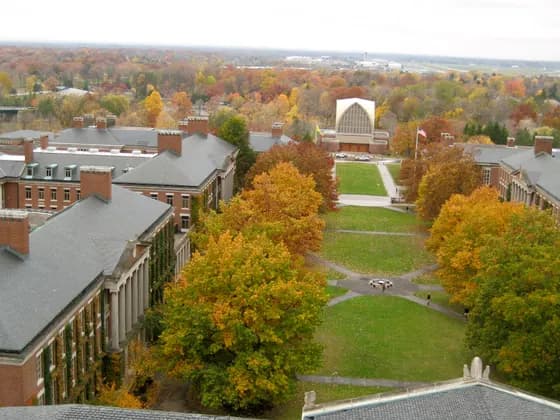
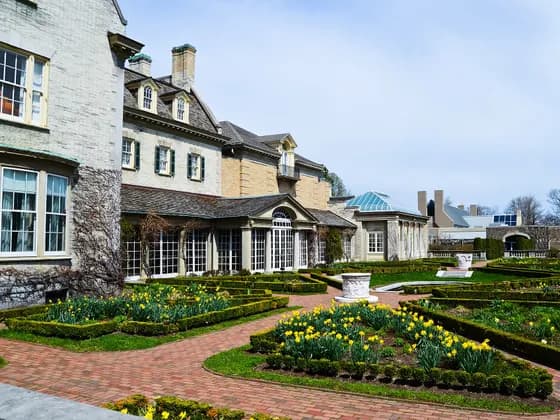
University of Rochester School of Medicine and Dentistry (MD)
Rochester, NY, US
Rochester, NY, US•Est. 1925
University of Rochester School of Medicine and Dentistry (MD) Medical School - 2027 Entry Requirements & Interview Format
The University of Rochester School of Medicine and Dentistry, founded in 1925, developed the biopsychosocial model of medicine — one of the most influential frameworks in modern medical education and practice. Located at the University of Rochester Medical Center in upstate New York, the school is affiliated with Strong Memorial Hospital and has particular strengths in psychiatry, neurology, and primary care.
Entry Requirements
What you need to apply to University of Rochester School of Medicine and Dentistry (MD).
Admission overview
Bachelor's degree and MCAT required. Rochester values humanistic medicine, clinical experience, and understanding of the social dimensions of health. The biopsychosocial model is central to the curriculum.
MCAT median
516 (range 511–521)
GPA median
3.80 overall / 3.78 science (BCPM)
Acceptance rate
4.2%
Class size
100
In-state preference
None
CASPer
Not required
Holistic review emphasis
Biopsychosocial model alignment, humanistic medicine, clinical experience, and community engagement.
Notes
MCAT/GPA approximate from Rochester Med admissions data.
Specialities offered
Biopsychosocial Medicine, Psychiatry, Neurology, Primary Care, Community Health
Interview Format
How University of Rochester School of Medicine and Dentistry (MD) interviews applicants.
Format
MMI (multiple stations)
Interview window
September–January
Decision date
March 30
What makes University of Rochester School of Medicine and Dentistry (MD) different
Rochester invented the biopsychosocial model of medicine — attending to biological, psychological, and social factors in every patient interaction. This philosophy permeates all aspects of training and distinguishes Rochester graduates in fields like psychiatry, primary care, and palliative care. The Double Helix curriculum is a genuinely innovative approach to integrating science and clinical application simultaneously.
Tutor insight
Rochester's MMI and secondary essays will probe your understanding of the biopsychosocial model and ability to integrate patient social context into clinical reasoning — familiarise yourself with the model before your interview and prepare examples that illustrate your ability to consider biological, psychological, and social factors holistically. If you are interested in psychiatry, neurology, or primary care, Rochester is one of the strongest schools in the country for these specialties. The upstate New York location provides a lower cost of living than NYC-based peers and a genuine community medicine training environment.
PrometheusQuestion Bank
595 medicine questions inside
Interview questions matched to University of Rochester School of Medicine and Dentistry (MD)
Two questions our tutors flagged as a strong fit for University of Rochester School of Medicine and Dentistry (MD)’s interview style. Try answering them out loud, then open Prometheus for the model answers and follow-up tips.
Hard·Panel · MMIQ1
US Healthcare Ethics: Medicare for All vs. Pluralist Healthcare
You are asked in an interview: 'Do you support Medicare for All?' This is a politically charged question. Some applicants decline to answer; others offer a position. Regardless of your personal view, how do you think a physician's relationship to health policy advocacy should be framed, and what does the evidence say about the comparative strengths and weaknesses of single-payer versus pluralist healthcare systems for population health outcomes?
Likely follow-up · What evidence from countries with single-payer systems — such as Canada or the UK — compares favourably or unfavourably to US outcomes on specific metrics?
3 expert tips in Prometheus
Medium·MMIQ2
US Healthcare Ethics: Cost Transparency in Prescribing
A patient with a new diagnosis of Type 2 diabetes asks which of two equally effective medications you recommend. One is a brand-name GLP-1 agonist costing $900 per month out of pocket; the other is an older generic that costs $12 per month with similar glycaemic outcomes. The patient is uninsured and working two jobs. How do you approach this prescribing decision, and what are the ethical dimensions of cost transparency in clinical practice?
Likely follow-up · At what point, if any, does cost become a clinical factor rather than purely a patient preference?
Apply to University of Rochester School of Medicine and Dentistry (MD) with confidence
We've helped students get into University of Rochester School of Medicine and Dentistry (MD) and other US medicine schools. Get tailored support for each stage of the application.
University of Rochester School of Medicine and Dentistry (MD) - Frequently asked questions
Bachelor's degree and MCAT required. Rochester values humanistic medicine, clinical experience, and understanding of the social dimensions of health. The biopsychosocial model is central to the curriculum.
MMI (multiple stations)
University of Rochester School of Medicine and Dentistry (MD) typically interviews in September–January.
Decisions are released March 30.
Rochester invented the biopsychosocial model of medicine — attending to biological, psychological, and social factors in every patient interaction. This philosophy permeates all aspects of training and distinguishes Rochester graduates in fields like psychiatry, primary care, and palliative care. The Double Helix curriculum is a genuinely innovative approach to integrating science and clinical application simultaneously.