
King's College London (KCL) Dentistry Interview
Format, Questions & Prep Tips
King's College London dentistry interviews for 2027 entry are a panel interview, held Generally December 2026–March 2027. Published figures: Applications (latest complete cycle) Just under 1,000; Interviewed (latest complete cycle) Nearly 350; Offers (latest complete cycle) ~160 Home + 15 Overseas.
- Institution
- King's College London Dental Institute
- Interview (2027 entry)
- Generally December–March
- Decisions (2027 entry)
- A few offers during the cycle; most on hold until all interviews are done — all decisions by the UCAS deadline in May
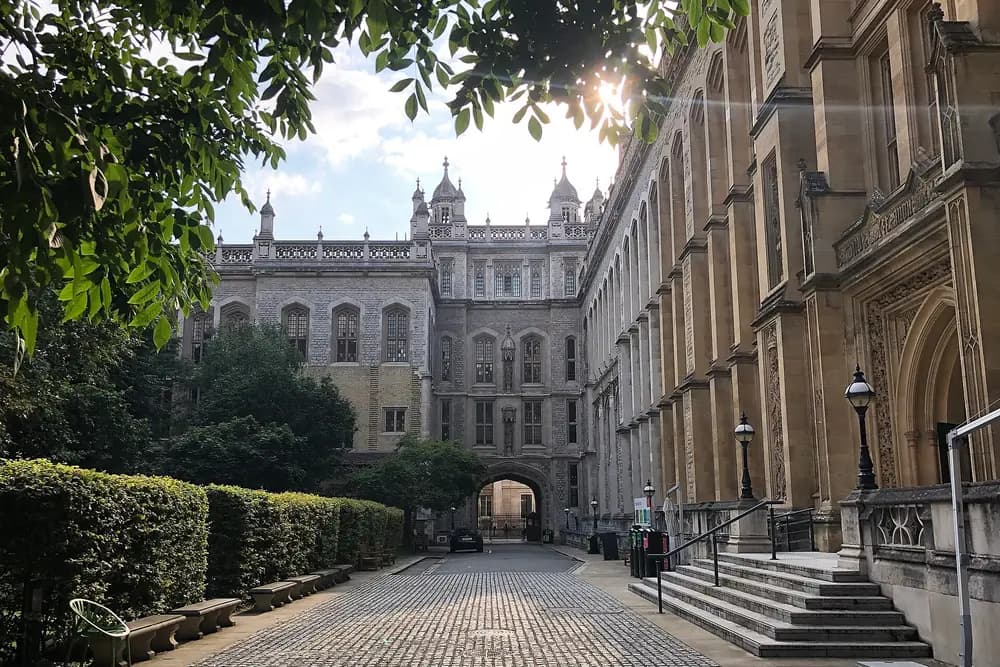
Photo: K Ulysses-Ono · CC BY-SA 4.0 · cropped
Photo: Ввласенко · CC BY-SA 3.0 · Photo: Jim Osley · CC BY-SA 2.0 · Photo: Steve Daniels · CC BY-SA 2.0
Still deciding where to apply? Hear it from a student who's there
King's College London Dentistry now interviews remotely with a panel of two interviewers — moving away from the in-person MMI with six interviewers used in previous years. The interview is conducted remotely via video, with the structured questions still spanning the typical MMI themes: motivation, ethics, communication, situational judgement and reflection on work experience.
The interview period generally runs from December to March, with invitations sent via King's Apply at least two weeks before your interview date. King's releases a small number of offers during the cycle, but most interviewees are placed on hold until all interviews are done, with every decision released by the UCAS decision deadline in May.
KCL Dental is one of the most competitive dentistry programmes in the UK. The interview tests communication, ethical and social awareness, motivation for dentistry specifically (not medicine), personal suitability and a realistic understanding of the demands of the course and career.
King's College London (KCL) interview key facts (2027 entry)
| Applications (latest complete cycle) | Just under 1,000 |
|---|---|
| Interviewed (latest complete cycle) | Nearly 350 |
| Offers (latest complete cycle) | ~160 Home + 15 Overseas |
| Format | Remote panel interview, 2 interviewers |
| Interview period | Generally December–March |
Interview Format
- Remote panel interview with 2 interviewers (previously an in-person MMI with six interviewers)
- Conducted remotely via video
- Structured questions covering motivation, ethics, communication, situational judgement
- Interview period generally December to March, with at least two weeks' notice via King's Apply
- Format may evolve further — verify with KCL Dental admissions page before your interview
- Communication, social awareness and dentistry-specific motivation explicitly assessed
- Realistic understanding of the dental career heavily weighted
Sample Interview Questions
Why dentistry, and why not medicine or another healthcare profession?
KCL Dental is explicit about wanting applicants who chose dentistry specifically, not medicine-rejects. Be honest about what draws you to dental practice — the procedural skill, the long-term patient relationships, the mix of art and science.
What attracts you to KCL Dental Institute specifically?
Reference KCL Dental's integrated curriculum, the clinical placements at Guy's Hospital, the strong reputation in oral medicine and craniofacial research, and the central London teaching environment.
How would you build trust with a nervous or anxious patient who is afraid of the drill?
Acknowledge fear without minimising it. Explain procedures clearly using non-clinical language. Offer signals the patient controls (hand-raise pause). Use the "tell-show-do" technique. Patience over speed.
Describe a recent meaningful work experience and what it taught you about dentistry.
Pick one moment to go deep on. KCL wants reflection over volume — what did you actually learn about the daily reality of dentistry?
Should NHS dentistry be free at the point of use, like NHS medicine?
Engage with the funding model history (NHS dental charges since 1951), the equity arguments, and the resource-allocation realities. Show familiarity with the current crisis in NHS dental access.
A patient wants whitening treatment that you don't feel they need. They have capacity and can pay. What do you do?
Respect autonomy. Provide accurate information about risks and benefits. Document. The patient can pursue elective treatment, but you should ensure they're making an informed decision and that your practice does not pressure them into it.
Should dentists be allowed to refuse to treat patients who don't brush their teeth?
Justice and non-maleficence both argue against judgemental refusal. Discuss the role of patient education without punitive withdrawal of care. Reference GDC guidance.
What concerns you most about a career in dentistry?
Workforce crisis in NHS dentistry, work-life balance, physical demands (back/neck issues from posture), patient anxiety dynamics, business pressures in private practice. Show informed self-awareness.
What aspects of a dentist's day-to-day work do you think you will find most challenging, and how will you cope?
Honest answer. Possible challenges: the routine of repetitive procedures, the emotional weight of paediatric patients, building rapport quickly with anxious patients. Concrete coping strategies — not abstractions.
What responsibility do dentists have toward public health and dental access?
Discuss prevention (supervised toothbrushing in schools, fluoridation), tackling oral health inequalities, screening for oral cancers, advocating for better NHS dental coverage. Show systemic awareness.
A patient asks you to share information about their child's dental treatment without explicit consent. (Hypothetical scenario.)
Capacity assessment of the child. Confidentiality is paramount. Gillick competence applies. Explore why they're asking. Don't breach without authorisation.
Tell me about a time you had to work with someone you found difficult.
STAR framework. Focus on managing the relationship productively, not on who was right. Reflect on what you learned about collaboration.
What do you understand about manual dexterity and how do you train it?
Concrete examples from your own life — model-making, art, music, surgery shadowing. Reflect on how you've seen it improve with practice.
Why are prevention and routine check-ups so important in dentistry?
Most dental disease (caries, periodontal disease, oral cancer) is detected and managed best early. Discuss the cost-effectiveness, quality-of-life impact, and the public-health framing.
Practise the King's College London (KCL) interview
Rehearse the real format before the day — on demand with our AI interviewers, or live with a tutor.
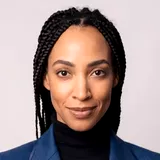
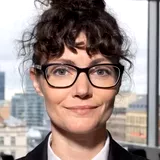
Sit a mock with photoreal AI interviewers — any time
A timed MMI or panel interview on video — British & international voices — with interviewers who listen, react and press with follow-ups. Rubric-scored feedback and a replay the moment you finish.




Live mocks with a tutor who’s been in the room
A full King's College London (KCL)-style mock with a medic or dentist tutor — honest scoring against real marking criteria, a station-by-station debrief and a written action plan.
Book a mock interviewHow to Prepare
Practise structured panel-interview answers — KCL's shift away from MMI means you have time to develop arguments rather than racing the clock.
Have specific reasons for dentistry over medicine — KCL Dental explicitly tests this.
Read GDC "Standards for the Dental Team" — KCL's assessment of ethical reasoning is anchored against it.
Research the current NHS dental access crisis — likely to come up in social-awareness questions.
Practise online interview etiquette: camera angle, lighting, eye contact at the lens, neutral background.
Have a strong "why KCL" answer referencing Guy's clinical placements, the integrated curriculum, and the research-active environment.
Prepare reflection on at least two distinct work experiences (NHS + private if possible).
Invited to interview at King's College London (KCL)? Say your first answer out loud today with the free two-minute warm-up drill, then sit a timed mock set up for King's College London (KCL).
Common Pitfalls
Frequently Asked Questions
Related guides
Free, evidence-based guides from current UK medical and dental students.
Free Interview Resources
Worked-through MMI stations, ethics scenarios, and panel questions.
Read guideNHS Core Values Guide
The 6 NHS values examiners listen for in every interview answer.
Read guideMedical School Rankings
See interview format (MMI vs panel) for each UK medical school.
Read guideUCAS 2026 Personal Statement
The new three-question format your interviewer will reference.
Read guideContextual Offers for Medicine
Every UK medical school's widening-access scheme in one place.
Read guideSources & official admissions information
We cross-check every interview guide against the school’s own admissions guidance and the UK regulators.
- King's College London — Dentistry BDS entry requirements — Remote panel of two interviewers (previously in-person MMI), Dec–Mar window, decisions by May, ~1,000 applications.
- King's College London (KCL) — official admissions page — Programme overview, entry requirements, interview format and timeline straight from the school.
- UCAT Consortium — Official UCAT registration, test format, scoring methodology and free practice materials.
- General Dental Council (GDC) — recognised UK dental qualifications — Statutory regulator. Recognised dental qualifications and registered-dentist register.
- Dental Schools Council — Coordinated body of UK dental schools. Entry-requirements comparison and widening-participation initiatives.
Ready to nail your King's College London (KCL) interview?
Book a mock interview with a current dental student who recently went through the same process, or practise on demand with the AI interviewer.