
Northeast Ohio Medical University Bitonte College of Dentistry Interview
Format, Questions & Prep Tips
Northeast Ohio Medical University Bitonte College of Dentistry dentistry interviews for 2027 entry are a traditional interview. Published figures: Annual DMD class size ~60–80 (growing).
- Institution
- Northeast Ohio Medical University Bitonte College of Dentistry
- Interview (2027 entry)
- September through February; rolling invitations after secondary review
- Decisions (2027 entry)
- Rolling decisions issued approximately 4–6 weeks post-interview

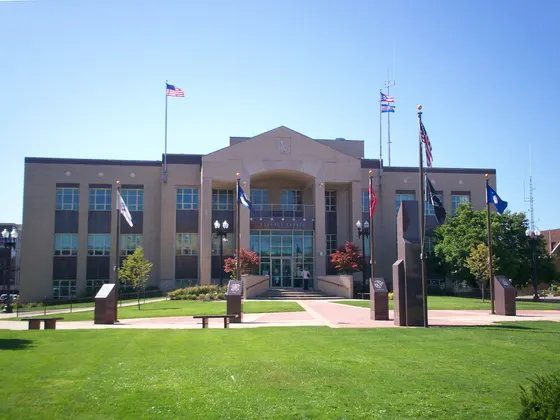
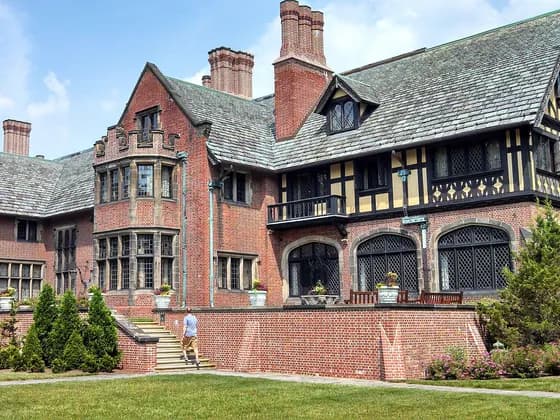
Photo: JonRidinger · CC BY-SA 4.0 · cropped
Photo: JonRidinger · CC BY 3.0 · Photo: Roseohioresident · CC BY-SA 4.0 · Photo: Brandon Bisel · CC BY-SA 4.0
How to get into Northeast Ohio Medical University Bitonte College of Dentistry (DDS) dentistry
Step-by-step: entry requirements, admission tests, personal statement, interview format and the key deadlines.
Open the guide →Northeast Ohio Medical University Bitonte College of Dentistry (DDS) entry requirements
Admission profile, interview format, decision dates and what makes Northeast Ohio Medical University Bitonte College of Dentistry (DDS) different.
See the profile →The Northeast Ohio Medical University Bitonte College of Dentistry (DDS) dentistry interview
NEOMED Bitonte College of Dentistry uses a traditional one-on-one or panel interview format at its Rootstown, Ohio campus. Part of Northeast Ohio Medical University, NEOMED Dental integrates dental education with medical and pharmacy programs, making interprofessional practice a core identity of the school.
Founded in 2021, the school has a clear mission to train dentists for Northeast Ohio and Ohio’s underserved communities, and interviewers probe candidates' genuine connection to this mission and their understanding of dental care access challenges in the region.
The school uses ADEA AADSAS. DAT is required. NEOMED Dental emphasizes interpersonal skills and personal qualities, reflecting its patient-centered community mission.
Northeast Ohio Medical University Bitonte College of Dentistry (DDS) interview at a glance (2027 entry)
| Annual DMD class size | ~60–80 (growing) |
|---|---|
| Interview format | Traditional one-on-one or panel faculty interview |
| DAT required | Yes — via ADEA AADSAS |
| School type | Public (Ohio) — strong in-state preference; Ohio community mission |
| Application system | ADEA AADSAS primary + NEOMED secondary |
| Interview window | September–February |
Interview format
- Traditional one-on-one or small panel faculty interview, approximately 30–45 minutes.
- Clinic and simulation laboratory tour.
- Interaction with current DMD students.
- Admissions information session covering curriculum and community health partnerships.
Sample interview questions
Why NEOMED Dental specifically, and what excites you about studying dentistry within a medical and pharmacy university?
Show you have researched NEOMED's interprofessional model. Discuss the value of learning alongside medical and pharmacy students, and what that prepares you for clinically.
Northeast Ohio has significant oral health access challenges. How do you see yourself contributing to dental care in the region after graduation?
Be specific about the communities or settings — community health centers, Federally Qualified Health Centers, rural practices. Show you understand Ohio's dental workforce geography.
A patient presents with signs of periodontal disease that you believe are connected to their poorly controlled diabetes. How do you approach the conversation?
Oral-systemic connection is central to NEOMED Dental's curriculum. Address scope of dental practice, communication with the patient's physician, patient education, and ADA ethics around referral.
Tell me about a time you successfully collaborated with people from different professional backgrounds.
Interprofessional experience is especially valued here. Healthcare, research, community organizations — any genuine cross-disciplinary collaboration that shaped your understanding of teamwork.
How did you prepare for dental school — both academically and experientially?
Cover DAT preparation, prerequisite coursework, dental shadowing hours, and any community health volunteer work. Be specific about what you observed and learned.
A guardian asks you not to tell their child how serious a tooth decay situation is, to avoid frightening them. How do you handle this?
What they are listening for:
- Age-appropriate patient communication
- parental authority
- the child's own developing autonomy
- your obligation to honesty in the patient relationship
NEOMED's patient-centered approach values authentic communication.
What does manual dexterity mean in dentistry, and how have you assessed or developed yours?
Discuss activities that demonstrate fine motor skill — art, musical instruments, model building, lab work. Show self-awareness about this important dental prerequisite.
How should the dental profession address the fact that dental care is largely excluded from US health insurance for many patients?
Cover the policy landscape — Medicaid dental coverage, dental insurance gaps, community clinic models, and the profession's advocacy role. Show you understand the systemic issue.
Describe a time you had to deliver difficult news or feedback to someone. How did you approach it?
Use STAR structure. Focus on how you balanced honesty with empathy — a skill central to clinical communication in dentistry.
What do you see as the most important non-technical skill a dentist needs, and why?
Patient communication, empathy, adaptability, and practice management are all valid answers. Show depth of reflection about what dentistry actually demands in practice.
A Northeast Ohio county profile shows high rates of dental-related emergency-department visits and a shortage of Medicaid-accepting dentists. As a NEOMED student, how would you interpret that and what would you propose?
ED visits for dental pain reflect an access and prevention gap. Link it to FQHC capacity, Medicaid participation, and prevention, and propose a measurable community response. Show you can read regional data, not just recite it.
Your simulated patient is a young adult who is embarrassed about visible decay, avoids eye contact, and gives one-word answers. How do you open up the encounter?
What they are listening for:
- Lower the threat
- normalize
- lead with open and non-judgmental questions
- find one achievable first step
Building rapport with a guarded patient is a core interpersonal skill NEOMED weights heavily.
NEOMED co-educates dental, medical, and pharmacy students. Walk me through how that team would manage a patient with poorly controlled diabetes and advancing periodontitis.
What they are listening for:
- Shared glycaemic targets
- timing of periodontal therapy
- medication review with pharmacy
- a unified patient message
Name the concrete interprofessional mechanism rather than praising teamwork in the abstract.
You overhear two classmates planning to share answers on an upcoming competency assessment. What do you do?
Academic integrity links directly to clinical safety — an unearned competency sign-off can put patients at risk later. Discourage it, and report if it proceeds. Hold the standard without self-righteousness.
Describe a time you persuaded a reluctant group to adopt a change or new approach. What worked?
At a newer school, students help shape culture. Show influence through listening and evidence rather than authority, and a concrete outcome.
Practise the Northeast Ohio Medical University Bitonte College of Dentistry (DDS) interview
Rehearse the real format before the day — on demand with our AI interviewers, or live with a tutor.
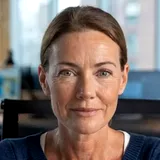
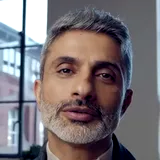
Sit a mock with photoreal AI interviewers — any time
A timed MMI or panel interview on video — American & international voices — with interviewers who listen, react and press with follow-ups. Rubric-scored feedback and a replay the moment you finish.



Live mocks with a tutor who’s been in the room
A full Northeast Ohio Medical University Bitonte College of Dentistry (DDS)-style mock with a medic or dentist tutor — honest scoring against real marking criteria, a station-by-station debrief and a written action plan.
Book a mock interviewHow to prepare for the Northeast Ohio Medical University Bitonte College of Dentistry (DDS) interview
Common pitfalls to avoid
Northeast Ohio Medical University Bitonte College of Dentistry (DDS) interview — frequently asked questions
Sources & official admissions information
Ready to nail your Northeast Ohio Medical University Bitonte College of Dentistry (DDS) interview?
Book a mock interview with a tutor who knows the US interview formats, orpractice unlimited stations from our interview question bank.