
The Chicago Medical School at Rosalind Franklin University of Medicine and Science MD program
What you actually study, and where you will be
Chicago Medical School at Rosalind Franklin University of Medicine and Science's MD is a 4-year program with an integrated curriculum, with patient contact from Year 1 and clinical rotations in Chicago and its suburbs, Rockford and southeastern Wisconsin (2027 entry). Chicago Medical School's MD, based at Rosalind Franklin University in North Chicago, Illinois, runs in three phases, with some courses shared with students of other health professions. Years 1 and 2 cover the body in eight pass/fail system blocks, with problem-based small-group cases, cadaver dissection and early observerships. Years 3 and 4 bring core clerkships and a sub-internship at affiliate hospitals across Chicagoland and southeastern Wisconsin, assigned by lottery, plus 30 weeks of electives.
- Degree
- MD
- Length
- 4 years
- Teaching
- Integrated
- Clinical contact
- Year 1
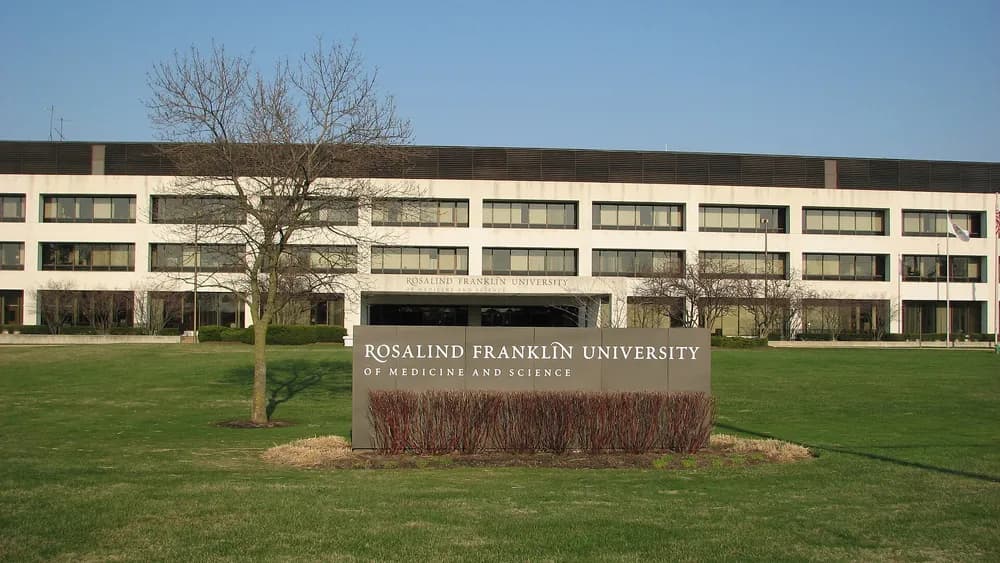

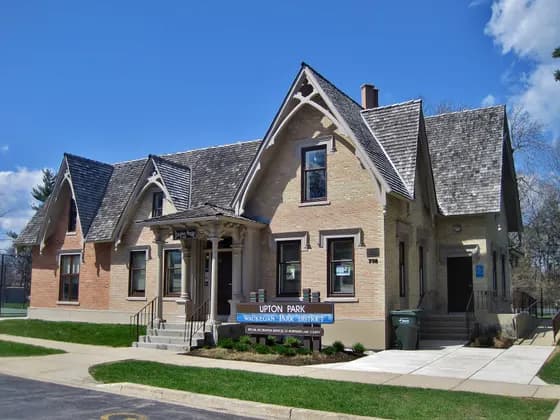
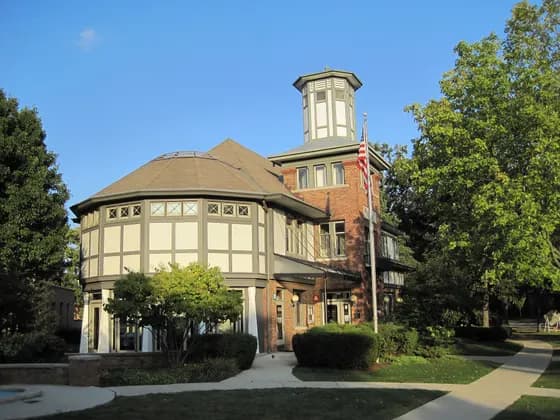
Photo: Ancheta Wis · CC BY-SA 3.0 · cropped
Photo: Yinan Chen · Public Domain · Photo: Teemu008 from Palatine, Illinois · CC BY-SA 2.0 · Photo: Teemu08 ( talk ) · CC BY-SA 3.0
The Chicago Medical School at Rosalind Franklin University of Medicine and Science MD program at a glance (2027 entry)
Chicago Medical School (CMS) at Rosalind Franklin University of Medicine and Science (RFU) offers a four-year Doctor of Medicine (MD) program in North Chicago, Illinois. The school dates itself to 1912. The university's campus, there since 1974, sits about 35 miles north of downtown Chicago and 45 miles south of Milwaukee.
The program runs in three phases. Phase I, the first two years, is the pre-clerkship (preclinical) phase: after a foundations course you study the body in eight system blocks, each week built around a patient presentation. Phase II, Year 3, is seven core clerkships, the required clinical rotations in which you join hospital and clinic teams one specialty at a time. Phase III, Year 4, prepares you for residency, the specialty training after medical school.
The thread running through the program is interprofessional education: learning about, from and with students training for other health professions. Core interprofessional courses in Years 1 and 2 include students from other RFU programs, and the learning continues in simulation, clinical training and the Interprofessional Community Clinic. The idea goes back to 1963, when Dr. John Sheinin, then president of CMS, called for a university where health professionals from different fields would train together. A University of Health Sciences was created in 1967, the start of today's university.
CMS calls itself a community-based medical school. Clinical training runs through more than 30 affiliate hospitals and clinics in Chicagoland and southeastern Wisconsin. They range from inner-city hospitals serving underserved patients to a federal health care center and suburban hospitals. Required rotations are assigned by lottery.
| Degree | MD (Doctor of Medicine), fully accredited by the Liaison Committee on Medical Education (LCME) |
|---|---|
| Program length | 4 years in three phases: Years 1–2, Year 3 and Year 4 |
| Class size | 203 in a recent class, about half from the Midwest |
| Campus | North Chicago, Illinois, about 35 miles north of downtown Chicago |
| Teaching style | Integrated system blocks, with problem-based schema cases twice a week |
| Anatomy | Regional cadaver dissection in Clinical Anatomy, Year 1 |
| First patient contact | Year 1: four observerships at clinical sites, plus standardized patient practice |
| Grading | Pass/fail in Years 1–2; clerkships honors, high pass, pass or fail |
| Step 1 timing | Before clerkships; for 2027 entrants, by the summer 2029 quarter's end, on current schedule |
| Clinical sites | More than 30 affiliates in Chicagoland and southeastern Wisconsin; clerkships by lottery |
What makes the Chicago Medical School at Rosalind Franklin University of Medicine and Science MD program different
Courses shared with other health professions students
In Foundations for Interprofessional Practice, mixed teams learn each other's roles and how to communicate. Essentials of Clinical Reasoning, your history-taking and examination course, is shared with podiatric medicine students.
A student-run free clinic next to campus
Four CMS students started the Interprofessional Community Clinic in 2013, and students from six RFU programs now lead it. On most Thursday evenings it offers primary care, podiatry, physical therapy, behavioral health counseling and health coaching to uninsured patients at no cost, beside the campus.
Problem-based schema cases twice a week
In Years 1 and 2 you spend two hours on Mondays and Fridays on a schema case, a problem-based case for a group of eight students and one faculty member. Rather than receiving the answers in a lecture, you research the case as it unfolds and lead parts of the discussion.
Accredited simulation and a new virtual hospital
RFU's simulation department is accredited by the Society for Simulation in Healthcare. A new simulation floor opening in fall 2026, says RFU's Helix magazine, recreates a hospital with an emergency department, intensive care unit, labor and delivery suite and operating rooms.
How Chicago Medical School at Rosalind Franklin University of Medicine and Science teaches medicine
Phase I opens with Scientific Foundations of Medicine, which covers the biochemistry, cell and molecular biology, histology, genetics, embryology, pathology and physiology behind health and disease. Clinical Foundations of Medicine runs alongside, introducing models of care and core clinical skills. Eight system blocks follow: Infection-Immunology-Hematology, Skin, Gastroenterology and Cardiovascular-Pulmonary-Renal in Year 1, then Musculoskeletal, Neurobehavioral Health, Endocrine-Reproductive and Multisystem in Year 2.
Science and clinical medicine are taught together inside each block. Each week is organized around a patient presentation and the key decision points in reaching a diagnosis. The Skin block, for example, mixes large and small group sessions, online modules, labs and case studies, and the Musculoskeletal block adds lectures.
Some teaching spans all four years. Principles of Professionalism, Health Care, and Health Equity (P2H2) prepares you for medicine's social and cultural setting through lectures, small groups, patient panels and written reflections. The school's 4-Year Schematic also lists eight threads woven through the curriculum, among them team-based care, humanities, ethics and population health.
Foundations for Interprofessional Practice, in the fall and winter of Year 1, is required of first-year students in RFU's clinical programs; more than 500 took it in 2024-25. In Years 3 and 4 you learn on clinical teams at affiliate hospitals and clinics.
The ways you will learn
| Schema cases | Problem-based clinical cases worked through in small groups. Each group's faculty preceptor, who may be a scientist or a clinician, works from a prepared case with answers and discussion points. |
|---|---|
| Essentials of Clinical Reasoning | A small-group course through Years 1 and 2, shared with podiatric medicine students and taught by clinical faculty on campus and over Zoom. You learn to interview and examine patients, build a differential diagnosis, and write up and present a history and physical (H&P). |
| Standardized patients and simulation | Standardized patients, people trained to portray patients, let you practice history-taking, examination and communication, with feedback from faculty, classmates and the standardized patients themselves. Simulation adds manikins, task trainers and virtual patients. |
| Clerkship teaching | On clerkships you learn as part of the team in clinics, on rounds, in the operating room and on call, backed by lecture series, case discussions and specialty conferences. |
A typical week on the Chicago Medical School at Rosalind Franklin University of Medicine and Science program
Under the school's 2023 pre-clerkship policy, scheduled work in Phase I is capped at 30 hours a week, averaged over each term, counting classes, labs, online modules and assigned preparation. At least two half-days a week, eight hours in all, are protected for independent study within the weekday 8 am to 6 pm window. Schema cases take two hours on Mondays and Fridays.
How anatomy is taught at Chicago Medical School at Rosalind Franklin University of Medicine and Science
Anatomy is taught by cadaveric dissection. Clinical Anatomy (MCBA 500) runs through the fall quarter of Year 1 and the first weeks of winter. In the lab you dissect human cadavers region by region, working through the whole body, while lectures explain how each part is built and how it works. Some lectures are given by clinicians, linking the anatomy to patient care.
The John J. Sheinin Gross Anatomy Laboratory has 40 workstations, each with a surgical light, a cadaver tank, dissection tools and an iPad for course notes and dissection videos. It also holds bone and organ specimens for independent study and a synthetic SynDaver muscle model, and the Anatomy Resource Center adds an Anatomage table and a laparoscopic trainer.
The nervous system's anatomy returns in Year 2 in Neurobehavioral Health. Advanced Regional Anatomy Dissection gives Year 2 students up to 20 hours on one or two regions of their choice. Other electives cover brain dissection, dissection-based anatomy for students pursuing surgical careers, and work as a lab teaching assistant, helping with dissection and lab exams.
When you first meet patients at Chicago Medical School at Rosalind Franklin University of Medicine and Science
Your first patients come in Year 1, through observerships in Clinical Foundations of Medicine. Between late October and mid-May you spend four four-hour sessions at clinical sites, as half or full days. You watch how a physician evaluates and manages patients; first-year students are not expected to evaluate patients on their own.
Skills practice runs alongside: history-taking and examination in Essentials of Clinical Reasoning, and standardized patient workshops for first-year students, with feedback. During your preclinical years you can also volunteer at the Interprofessional Community Clinic.
Year 2 ends with the Clinical Skills course. You read EKGs and imaging, work with virtual patients, manikins and standardized patients, and write progress notes. You also practice procedures such as nasogastric tube placement, oxygen delivery, sterile scrubbing and gowning, and urinary (Foley) catheter insertion. Full-time clinical work starts in Year 3, once you have taken Step 1, the first exam of the United States Medical Licensing Examination (USMLE), which tests the basic sciences behind medicine.
The Chicago Medical School at Rosalind Franklin University of Medicine and Science curriculum, year by year
- Year 1 (Phase I)
Foundations and the first four system blocks
Year 1 lays the scientific and clinical groundwork and takes you through four system blocks, with anatomy, clinical reasoning and interprofessional practice alongside. It totals 75.5 quarter-hour credits and ends in May, leaving the summer free for research or global health experiences.
- Scientific Foundations of Medicine (10.5 credits) starts with a few weeks in the summer quarter and runs through most of the fall.
- Fall: Clinical Anatomy, Clinical Foundations of Medicine, Essentials of Clinical Reasoning I and Foundations for Interprofessional Practice, with Infection-Immunology-Hematology (9.5 credits) starting late in the quarter.
- Infection-Immunology-Hematology covers the blood and immune systems and microbes, and how infections and immune and blood disorders present and are diagnosed, treated and prevented.
- Winter: Skin (3.5 credits) and Gastroenterology (8 credits). In Clinical Epidemiology you frame a PICO research question (population, intervention, comparison, outcome), weigh the published evidence and present your findings to classmates.
- Spring: Cardiovascular-Pulmonary-Renal (15 credits), roughly four weeks per organ system, plus Bioethics and the first P2H2 course.
- Year 2 (Phase I)
The last four blocks and Step 1
Year 2 completes the system blocks, adds patient safety and more clinical reasoning, and ends with protected Step 1 study and the Clinical Skills course. It totals 56.5 credits, including 3 credits of electives.
- Fall: Musculoskeletal (4 credits, about three weeks), then Neurobehavioral Health (19.5 credits, into early winter), on the nervous system, behavior, and neurological, psychiatric and special sense disorders.
- Winter: Endocrine-Reproductive (13 credits), built on clinical cases of common disorders. Essentials of Clinical Reasoning II runs from fall into early spring.
- Patient Safety (fall): quality improvement, healthcare law and economics, the US health system and physician wellness.
- Spring: Multisystem (6.5 credits, about three weeks) ties earlier organ-system teaching together. About seven weeks of protected Step 1 study follow, earning no credit, then the Clinical Skills course.
- CMS gives the National Board of Medical Examiners (NBME) Comprehensive Basic Science Examination (CBSE), a national basic science exam, in Year 2. Falling below the school's threshold can restrict your clerkship lottery or mean you start Phase II with an academic enrichment course.
- Year 3 (Phase II)
Seven core clerkships
Year 3 totals 73 credits, mostly required clinical rotations taken in a sequence, or track, assigned by lottery. The curriculum chart gives the four-week elective and the four-week sub-internship 6 credits each. At that rate the 12-credit clerkships last about eight weeks, the 9-credit ones about six and neurology about four, which matches the 8-, 6- and 4-week clerkships in the school's 2024 absence policy.
- Internal medicine (12 credits): bedside work, work and teaching rounds, subspecialty rounds and conferences, with procedures performed under faculty guidance where appropriate.
- Surgery (12 credits): clinics, rounds, operations and on-call duties, plus a core lecture series, case discussions and conferences from radiology to trauma.
- Family medicine/primary care (9 credits): ambulatory care, an online EKG quiz, a literature-backed reflection on an ethical situation from your clinic, and virtual patient cases.
- Obstetrics and gynecology (9 credits) covers general obstetrics and gynecology plus endocrinology, oncology and perinatology. Pediatrics (9 credits) applies your history, examination and reasoning skills to children and families.
- Psychiatry (9 credits): hospital, ambulatory and consultation-liaison work. Neurology (6 credits): inpatient and outpatient services, a neuroradiology introduction and a neurologic exam practicum.
- A four-week, 6-credit elective, emergency medicine unless you opt out, and P2H2 III.
- A practice (formative) clinical skills exam in the fall, with feedback on oral patient presentations, then the summative CMS Clinical Skills Exam, usually at the end of the year.
- Year 4 (Phase III)
Residency preparation
Year 4 runs 35 weeks and 54.5 credits and prepares you for residency. Alongside the sub-internship and 30 weeks of electives (45 credits) you take M4 Professional Development and P2H2 IV, and the year ends with Transition to Internship.
- One four-week sub-internship (6 credits), also called an acting internship: you take primary responsibility for patients at close to an intern's level.
- Sub-internship options: emergency medicine, family medicine, internal medicine, neurology, pediatrics, psychiatry and surgery. The catalog's degree plan and the 4-Year Schematic also list obstetrics and gynecology; the curriculum page and curriculum chart do not.
- Transition to Internship (one week) uses high-fidelity simulation, small groups, role play and standardized patients to teach and assess first-year resident skills.
- M4 Professional Development prepares you for residency applications, and you take Step 2 Clinical Knowledge (CK), the second of the USMLE's three Steps, this year.
How you are assessed at Chicago Medical School at Rosalind Franklin University of Medicine and Science
Phase I courses are graded pass or fail, but your work still earns raw scores, and 69.50% or above is a pass. After Year 2 the scores are combined, weighted by credits, into a Basic Science Tally that stays off your transcript and is used for honors such as the Distinction in Basic Science. The 2026-27 catalog says CMS keeps no GPA, using tallies like this one instead.
Phase I assessment uses multiple-choice exams, written work, projects, presentations, lab exams, skills demonstrations and direct observation. Faculty also write narrative comments on your small-group, lab and simulation work, and every course of four weeks or more gives you feedback by its midpoint.
Each clerkship ends with an NBME subject exam, a national end-of-rotation test often called a shelf exam. Your grade combines the exam, worth a third, with clinical evaluations of patient care and knowledge, professionalism and communication, worth two-thirds. Exam honors needs the 80th national percentile and high pass the 40th. Grades are criterion-based, so everyone who meets a standard gets that grade.
The CMS Clinical Skills Exam, which the curriculum chart calls the M3 Objective Structured Clinical Skills Exam, usually comes at the end of Year 3. An objective structured clinical exam (OSCE) is a set of standardized clinical encounters marked the same way for everyone. You take a history, examine and write a problem-focused note, scored for clinical reasoning and communication, and you must pass to graduate.
The USMLE is the series of three exams, or Steps, that state medical boards use in licensing doctors. For MD students, attending an LCME-accredited school is what makes you eligible for Step 1 and Step 2 CK. Students and graduates of osteopathic (DO) schools, and of eligible schools outside the United States, qualify through other routes. Step 1 has been pass/fail only since January 26, 2022, and CMS requires you to pass both Steps.
You must sit Step 1 after the Year 2 curriculum and before clerkships, by the end of the summer quarter, and pass it to continue clinical work. Step 2 CK is due within a year of finishing Year 3 and, if you enter the residency Match, by December 31 of that cycle. In August 2026 the USMLE program announced a move to designated testing dates from January 2029, with Step exams offered less often each year; its June 2026 notice had named 2028.
- On the current schedule, a 2027 entrant's Year 2 spring quarter would run February 20 to May 11, 2029, with protected Step 1 study from about mid-March to late April. Step 1 would be due before clerkships begin, and no later than the end of the summer 2029 quarter; RFU's 2026-27 to 2028-29 calendars end summer quarters in late July.
- On the same schedule, Step 2 CK would be due by December 31, 2030 for Match applicants. Both exams would come after the January 2029 switch to designated testing dates.
- You get two attempts at each Step; a third needs approval from SEPAC, the school's promotions committee.
- Clerkships include a midpoint feedback meeting and one chance at remediation, capped at a pass. Six of the seven give you a day free of clinical duties in the week of the final exam.
- The sub-internship uses the same clinical evaluations without averaging: honors needs honors on all three.
- After Year 3, clerkship grades form a Clerkship Tally (honors 95, high pass 85, pass 75, weighted by credits). It sets the summary designator in your Medical Student Performance Evaluation (MSPE), the school's letter to residency programs.
- The Clerkship Tally and the Basic Science Tally are then averaged into a Third-Year Tally, which may be used for honors such as nomination to the Alpha Omega Alpha Honor Medical Society. Because Year 4 is mostly electives that differ from student to student, its grades feed no tally or ranking.
- You must complete the whole MD, 259.5 credits in all, within six years of starting. The 2026-27 catalog counts leave toward that limit, while the SEPAC Handbook excludes approved research or graduate study leave.
- The Liaison Committee on Medical Education (LCME) accredits MD programs in the United States. Its directory, updated October 14, 2026, lists CMS as fully accredited, first accredited on or prior to 1942, the year the LCME was founded, with its next survey in 2027-28. The school says its last full eight-year term was awarded in March 2021.
Chicago Medical School at Rosalind Franklin University of Medicine and Science clinical rotations: where you will actually train
Clinical training runs through affiliate hospitals, clinics and private practices. The 2026-27 catalog lists more than 30 affiliates in Chicagoland and southeastern Wisconsin, many offering both inpatient and outpatient experience. Private physicians teach especially in the pediatrics and family medicine/primary care clerkships.
The school describes the mix as inner-city hospitals serving underserved patients, a federal health care center caring for U.S. military personnel, and private clinics and practices. It also cites Level 1 trauma center rotations and suburban and rural community clinic settings. The federal center, the Captain James A. Lovell Federal Health Care Center, is in North Chicago.
Required clerkships and the sub-internship are at CMS affiliate sites, assigned by lottery. After an explanation in Year 2, you state preferences and receive a clerkship track, then sites, each followed by a one-week trading period. Later changes need an extenuating reason, such as a disability accommodation; transport problems and preference do not count.
Under a 2025 policy, sites more than 65 miles from campus qualify you for a travel stipend, subject to funds; closer sites and electives do not. You follow each site's holiday schedule. Work hours follow resident standards: at most 80 hours a week averaged over four weeks, one day in seven free, and in-house call no more than every third night.
- Captain James A. Lovell Federal Health Care Center, North Chicago
- Aurora Medical Center Gurnee
- Advocate Condell Medical Center, Libertyville
- RFU Health Clinics, Vernon Hills
Hospitals listed under Chicago in the 2026-27 catalog.
- Advocate Illinois Masonic Medical Center
- Ascension Saint Joseph Hospital
- Holy Cross Hospital
- Humboldt Park Health
- Insight Hospital and Medical Center Chicago
- John H. Stroger, Jr. Hospital of Cook County
- Mount Sinai Hospital Health System
- Prime Health Resurrection Medical Center
- Prime Health St. Mary's Hospital
- Saint Anthony Hospital
- St. Bernard Hospital and Health Center
Northwestern Medicine Huntley Hospital also houses one of RFU's simulation centers.
- Advocate Lutheran General Hospital, Park Ridge
- Advocate Children's Hospital, Park Ridge
- Prime Health Saint Francis Hospital, Evanston
- Advocate Good Shepherd Hospital, Barrington
- Ascension Saint Alexius Medical Center
- Northwestern Medicine Huntley Hospital, Huntley
- Northwestern Medicine McHenry Hospital, McHenry
- Elgin Mental Health Center, Elgin
- Endeavor Health Edward Memorial Hospital, Naperville
- Endeavor Health Elmhurst Memorial Hospital, Elmhurst
- UChicago Medicine AdventHealth Hinsdale, Hinsdale
- Advocate Christ Medical Center, Oak Lawn
- Advocate Children's Hospital, Oak Lawn
- OSF Little Company of Mary Hospital, Evergreen Park
- Advocate South Suburban Hospital, Hazel Crest
- Silver Cross Hospital, New Lenox
- MercyHealth
- Aurora Medical Center Kenosha
- Froedtert South Pleasant Prairie
Electives, selectives and away rotations at Chicago Medical School at Rosalind Franklin University of Medicine and Science
In Year 2 you need 3 elective credits. The electives, offered in all three quarters, range from research and peer tutoring to clinical electives in radiology, orthopedics and dermatology. The summer after Year 1 is free for research or a global health elective at an approved site, which requires a patient log, essay or presentation.
In Year 3 the four-week elective defaults to emergency medicine, scheduled for every student in the Year 3 lottery. Eligible students can swap it for a career-exploration elective in a specialty they would not otherwise see that year, but the emergency medicine sub-internship requires the Year 3 emergency medicine elective.
Year 4 holds 30 weeks of electives, usually four weeks each. You need at least 12 weeks of CMS electives, at least 20 weeks of clinical electives, and at least four weeks in each of three of five specialty groups. The catalog says electives are available locally and throughout the United States, at health systems, residency programs, medical schools and private practices.
Away rotations, called extramural electives here, let you train at another medical school or health organization, which assesses you itself; you must be in good standing to go. Options beyond clinical rotations include teaching first- and second-year students, simulation-based education, clinical informatics, the business of medicine and medical Spanish.
Year 4 global health electives offer up to eight weeks of clinical, development or research work outside the United States and Canada, or time in another high-resource country's health system. RFU's approved CMS sites include a university in Xalapa, Mexico, which requires intermediate Spanish, and Hillside Health Care International's mobile clinics in Belize. Child Family Health International adds 35-plus sites in 10 countries, and sites under level 3 or 4 US travel advisories are suspended automatically.
Dual degrees and research years at Chicago Medical School at Rosalind Franklin University of Medicine and Science
The MD/PhD is run by CMS with RFU's School of Graduate and Postdoctoral Studies, for students aiming at careers in academic medicine and research. You can apply at entry, or during Year 2 after successful research experience, such as research in the summer after Year 1. Either way you complete Years 1 and 2 and Step 1 first.
You then join a lab and form a research committee, which tailors your doctoral coursework around core requirements in bioethics, biostatistics, presenting data, scientific writing and computer applications. After defending your dissertation you return for Year 3. PhD fields are biochemistry and molecular biology, cell biology and anatomy, cellular and molecular pharmacology, microbiology and immunology, neuroscience, and physiology and biophysics.
About a third of students do research, in basic science labs on campus or clinical studies at affiliate hospitals. Summer research fellowships run between Years 1 and 2. Research electives also carry credit: eight weeks that summer (MCUR 618), part-time research in Year 2 (MFSH 600), and Year 3 and 4 research (MFSH 700 and MFSH 800). Off-site options include the Sinai Urban Health Institute and the Russell Center for Research and Innovation at Advocate Lutheran General Hospital.
The MD with Distinction in Research recognizes substantial original basic, clinical, epidemiological or educational research; a systematic review qualifies, preferably with meta-analysis, but a narrative review does not. You submit a three- to five-page proposal, meet a three-member faculty committee at least three times, present at a scientific meeting and defend a solo-author, journal-style manuscript. It appears on your transcript, not your diploma.
Distinction in Basic Science goes to students with a Basic Science Tally of 89.5% or higher, while Medical Education and Nutrition and Health Promotion require extra structured coursework and activities. The university-wide Distinction for Excellence in Interprofessional Healthcare accepts a limited number of students each year, each with a faculty mentor and a plan of interprofessional study.
Facilities and support at Chicago Medical School at Rosalind Franklin University of Medicine and Science
Where you will learn
RFU's campus covers 97 acres in North Chicago, less than two miles from the Lake Michigan shore, with on-campus housing, a fitness center, a cafe and athletic fields. The Boxer Library has 24-hour study space, a learning commons and quiet and silent study areas.
Simulation is run by the Department of Healthcare Simulation, accredited by the Society for Simulation in Healthcare, including for teaching and assessment. Its centers in North Chicago and at Northwestern Medicine Huntley Hospital form a Virtual Health System. Teaching uses manikins, task trainers, virtual patients and standardized patients, plus software tutorials on heart and lung sounds, EKGs and imaging.
The Standardized Patient program has run in the Education and Evaluation Center since 2003. According to RFU's Helix magazine in July 2026, its 72 standardized patients train students in nine RFU programs, including medicine, who spend about 40,000 hours a year with them.
Support while you study
Before orientation you are assigned at random to one of four Houses, each named after a notable CMS alumnus. A House holds all four classes; your class within it, about 50 students, is your learning community, one of 16. You stay in it for four years, with a faculty mentor, Student Affairs advisors and a programs coordinator.
Each community elects three student leaders in Year 1 to run its MedLEAD peer mentoring, LC CARES community engagement and LC Wellness programs. From Year 2 they join an Executive House Council that supports the House Cup and events such as Field Day, the Winter Formal and the Classroom to Clerkship Ceremony.
The Office of Student Affairs provides academic advising, four years of career and specialty advising, your MSPE and help through the residency Match. The Office of Medical Education runs a Step 1 advising and preparation program. Students who need more time take Academic Enrichment, a full-time Step 1 review course with check-ins and one-on-one advising.
An Early Academic Review Subcommittee watches for warning signs such as repeated low scores or missed deadlines and can recommend coaching, tutoring or wellness referrals. A Clinical Skills Optimization Team mentors students who need extra clinical skills work. In Year 3 you can take up to four personal or wellness days, two in each half of the year.
Is the Chicago Medical School at Rosalind Franklin University of Medicine and Science program right for you?
This program may suit you if
- You want to learn with students from other health professions, in shared courses and in a free clinic run with pharmacy, podiatry, physician assistant and other students.
- You learn well by working through cases in small groups, as in the twice-weekly schema cases of Years 1 and 2.
- You want hands-on anatomy, with regional cadaver dissection in Year 1 and dissection electives later.
- You want clinical training in very different settings, from inner-city hospitals and a federal health care center to suburban hospitals and private practices.
- You want research recognized, through the defended MD with Distinction in Research or an MD/PhD.
Things to think about
- Clerkship tracks and sites are assigned by lottery across a wide area; transport problems are not grounds for a change, and stipends cover only sites more than 65 miles from campus.
- The campus is about 35 miles north of downtown Chicago, while many affiliates are in the city and its southern and western suburbs.
- Pass/fail still produces numbers: raw Year 1 and 2 scores form a Basic Science Tally, and clerkship grades form a Clerkship Tally that sets your MSPE summary designator. Combined after Year 3, they may be used for honors such as Alpha Omega Alpha nomination.
- Step 1 comes before clerkships and must be passed to continue clinical work, and a low Year 2 CBSE result can restrict your clerkship lottery or delay your start.
- On the current schedule, if you enter in 2027, both Step exams would fall after the USMLE's January 2029 move to designated testing dates, when Step exams will be offered less often each year.
Chicago Medical School at Rosalind Franklin University of Medicine and Science MD program — frequently asked questions
Applying to Chicago Medical School at Rosalind Franklin University of Medicine and Science?
How to get into Chicago Medical School at Rosalind Franklin University of Medicine and Science
Prerequisites, MCAT, AMCAS personal statement, secondaries and interview, step by step.
Open the guide →Chicago Medical School at Rosalind Franklin University of Medicine and Science admissions profile
MCAT and GPA profile, acceptance rate, interview format and key dates.
See the profile →Compare Chicago Medical School at Rosalind Franklin University of Medicine and Science with other schools
Put the teaching style, anatomy teaching and clinical sites next to another school.
Open the comparison →Prepare for the Chicago Medical School at Rosalind Franklin University of Medicine and Science interview
Format breakdown, school-specific sample questions and prep tips from tutors who interviewed here.
Read the guide →Where this Chicago Medical School at Rosalind Franklin University of Medicine and Science program guide came from
This guide was written from 57 official sources — Chicago Medical School at Rosalind Franklin University of Medicine and Science's own program pages and curriculum documents, plus the accreditor and the hospitals and health systems the school trains students in where they publish detail — read on 2026-10-19, then checked claim by claim against those sources.
- Chicago Medical School: Allopathic Medicine (MD) program page
- Chicago Medical School: MD curriculum
- Interprofessionalism at Chicago Medical School
- Chicago Medical School: Common Questions (class size, research, MD/PhD)
- Chicago Medical School landing page
- About Chicago Medical School
- Chicago Medical School: Accreditation
- RFU 2026-2027 Academic Catalog: Chicago Medical School MD section, course descriptions, clinical affiliations and university-wide opportunities
- Chicago Medical School Curriculum Chart 2026-27-28-29-30
- Chicago Medical School 4-Year Curriculum Schematic (rev. April 2026)
- CMS Handbook for Student Promotion and Graduation (SEPAC Handbook) 2026-2027
- CMS Master Grading System Policy
- CMS Clerkship Grading Policy
- CMS Sub-Internship Grading Policy
- CMS Clinical Skills Exam Policy
- CMS Clinical Assignment Policy (2025)
- CMS Geographic Accessibility Policy (2025)
- CMS Emergency Medicine Requirement and Scheduling Policy
- CMS Pre-Clerkship Protected Time Policy (2023)
- CMS Narrative Assessment Policy
- CMS Formative Feedback Policy
- CMS Clerkship Absence Policy 2024
- CMS Medical Student Work Hours Policy (2025)
- CMS Good Standing Policy
- CMS Clinical Teaching Opportunities (schema cases, observerships, ECR, electives, sub-internships)
- CMS Office of Medical Education
- Interprofessional Education in Medical Education at CMS
- CMS Office of Student Affairs
- CMS Learning Communities Program
- CMS Electives for Global Health
- RFU Approved Global Health Experience Sites (Chicago Medical School)
- CMS MD with Distinction (research opportunities)
- CMS MD with Distinction in Research Program Guidelines
- CMS Student Research Programs
- RFU School of Graduate and Postdoctoral Studies: combined degree programs (MD/PhD)
- DeWitt C. Baldwin Institute for Interprofessional Education
- RFU: Interprofessionalism
- RFU Interprofessional Community Clinic
- RFU Center for Advanced Simulation in Healthcare
- RFU Simulation Labs and Resources
- RFU Standardized Patient Program
- RFU Anatomy Labs and Resources
- RFU Academic Support and Resources (Boxer Library)
- RFU: Our Campus
- Helix (RFU magazine), July 2026: Welcome to the Innovation Sandbox
- Helix (RFU magazine), July 2026: Getting Into Character
- RFU 2027-2028 Academic Calendar
- RFU 2028-2029 Academic Calendar
- LCME Directory of Accredited Programs (updated October 14, 2026)
- USMLE Designated Testing Dates Information Hub
- USMLE, August 6, 2026: transition to designated testing dates in January 2029
- USMLE, June 23, 2026: limited testing dates each year starting in 2028 (since updated)
- USMLE Step 1 transition to pass/fail only score reporting
- USMLE Bulletin of Information: Eligibility
- USMLE Step 1 overview
- USMLE Bulletin of Information: About the USMLE
- USMLE Bulletin of Information: Abbreviations
Curricula are restructured between cycles. Anything here that decides your application — how anatomy is taught, a clinical campus assignment, a required research year — should be confirmed against the official page for your entry year.
Applying to Chicago Medical School at Rosalind Franklin University of Medicine and Science?
We help US applicants with MCAT strategy, the AMCAS personal statement, secondary essays and interview prep — everything you need for a competitive Chicago Medical School at Rosalind Franklin University of Medicine and Science application.