
San Juan Bautista School of Medicine Interview
Format, Questions & Prep Tips
San Juan Bautista School of Medicine medicine interviews for 2027 entry are a traditional interview. Published figures: Annual MD class size ~63–69 (2025–26); Interview format Traditional individual — 1–2 faculty sessions, ~20–30 min each; MCAT median (est.) ~499 (school-reported average).
- Institution
- San Juan Bautista School of Medicine
- Interview (2027 entry)
- October through February; rolling invitations after secondary review
- Decisions (2027 entry)
- Rolling decisions through late March; waitlist movement through summer

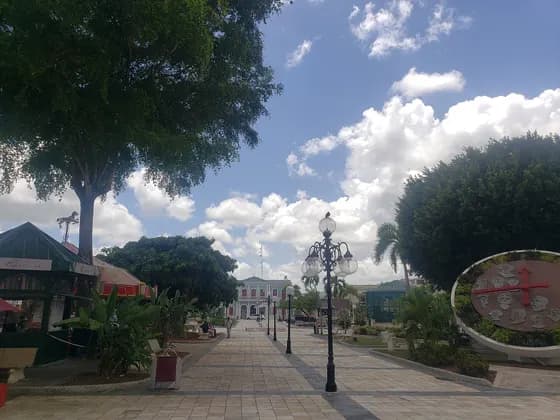
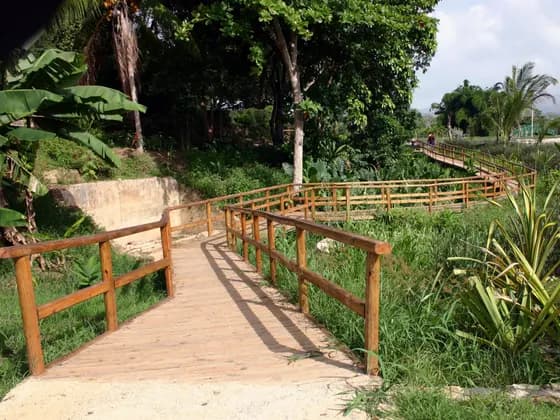
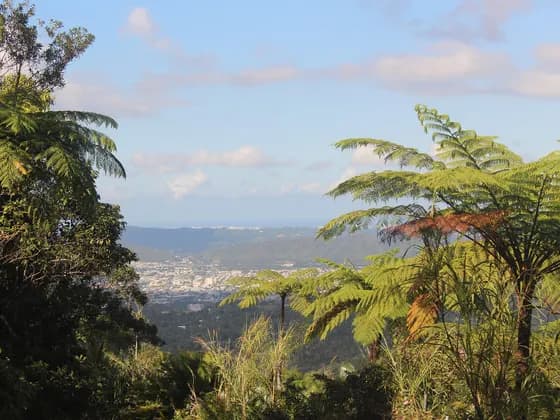
Photo: BrickLightning · CC0 · cropped
Photo: Winifredo Torres · CC BY-SA 2.0 · Photo: chispy2 · CC BY 2.0 · Photo: Ligocsicnarf89 · CC BY-SA 4.0
How to get into San Juan Bautista School of Medicine (MD) medicine
Step-by-step: entry requirements, admission tests, personal statement, interview format and the key deadlines.
Open the guide →San Juan Bautista School of Medicine (MD) entry requirements
Admission profile, interview format, decision dates and what makes San Juan Bautista School of Medicine (MD) different.
See the profile →The San Juan Bautista School of Medicine (MD) medicine interview
San Juan Bautista School of Medicine uses a traditional individual interview format held on campus in Caguas, Puerto Rico. Applicants meet one-on-one or in small groups with faculty members who have reviewed the full application.
As the smallest medical school in Puerto Rico, San Juan Bautista places enormous weight on personal fit and mission alignment — interviewers are evaluating whether each applicant is genuinely committed to serving underserved communities on the island, not simply seeking a US MD degree.
The bilingual (Spanish/English) learning environment means language skills are assessed informally throughout the day. Expect questions that probe the AAMC Premed Competencies, with the professional competencies, including Service Orientation, receiving special emphasis.
San Juan Bautista School of Medicine (MD) interview at a glance (2027 entry)
| Annual MD class size | ~63–69 (2025–26) |
|---|---|
| Interview format | Traditional individual — 1–2 faculty sessions, ~20–30 min each |
| Curriculum language | Bilingual Spanish/English |
| Application system | AMCAS |
| Interview window | October–February |
| MCAT median (est.) | ~499 (school-reported average) |
Interview format
- Traditional one-on-one faculty interviews; typically 1–2 sessions lasting 20–30 minutes each.
- Full day on campus in Caguas includes facility tour, admissions orientation, and student lunch.
- Interviewers have reviewed the application; expect questions about specific clinical and volunteer experiences.
- Informal Spanish proficiency assessment may occur naturally in conversation.
- Small class environment means admissions staff interact personally with all candidates on interview day.
Working towards the MCAT score San Juan Bautista School of Medicine (MD) expects? Build a week-by-week plan from your test date — free for the first two weeks.
Sample interview questions
Why do you want to become a physician in Puerto Rico, and what draws you specifically to San Juan Bautista's community medicine mission?
Reference specific healthcare challenges in Puerto Rico (Medicaid disparities, post-hurricane infrastructure, physician shortages). Avoid generic island-setting or lower-competition answers.
Describe a meaningful experience you have had serving an underserved or vulnerable population. What did it teach you about healthcare delivery?
STAR structure with reflection on systemic barriers — not just what you did, but what gaps you observed and how they shaped your thinking about your role as a future physician.
A patient declines a recommended treatment for religious reasons. How do you navigate this as their physician?
Address patient autonomy, informed refusal, ensuring the patient has all relevant information, documentation, and when (if ever) you might involve an ethics committee.
Many talented Puerto Rican medical graduates leave the island for mainland residencies and never return. What responsibility, if any, do you have to practice in Puerto Rico after training?
Acknowledge the brain drain reality honestly. Discuss loan forgiveness programs, mission alignment vs. personal choice, and what systemic changes might incentivize return.
A patient's family member disagrees with the care plan you have explained to the patient and becomes confrontational. How do you respond?
De-escalate respectfully, acknowledge the family's concern, explain the plan clearly, reinforce patient autonomy, and offer to involve a patient advocate if needed.
What aspect of medicine — clinical, research, or public health — do you find most intellectually exciting, and why?
Be specific and authentic. San Juan Bautista values primary care orientation, so if your interest is highly subspecialty-focused, connect it back to community impact.
How should the US federal government address the inequitable Medicaid funding formula that affects Puerto Rico?
Demonstrate knowledge of the per-capita cap disparities. Argue for or against reform while acknowledging fiscal and political complexity. Show how this affects your future patients.
Tell me about a time you worked in a resource-limited setting. How did you adapt and what did you learn about creative problem-solving in healthcare?
Concrete experience preferred. Show adaptive thinking and empathy — not just persistence — under resource constraints.
How do you build trust with a patient who is suspicious of the healthcare system?
Acknowledge historical reasons for medical distrust (especially relevant in underserved communities). Discuss active listening, transparency about limitations, and continuity of care.
You are a primary care physician in a community with high rates of diabetes and obesity. Resources for preventive care are limited. How do you prioritize your time?
Show population health thinking — risk stratification, group education, community partnerships, CHW programs — alongside individual patient advocacy.
Role-play: you are the primary care physician for a small Caguas community and a long-time patient with poorly controlled diabetes admits, somewhat ashamed, that she stopped her medication months ago. Talk with her.
Lead with empathy, not judgment. Explore the real reason (cost, side effects, beliefs, access), rebuild trust, and co-create a realistic restart plan. This mirrors the continuity-based community medicine San Juan Bautista trains generalists for.
Your small clinic's data shows childhood vaccination rates have dropped over the past two years. How would you figure out why, and what would you try first?
Show population-health reasoning suited to a small generalist practice: look at access barriers, transport, hesitancy, post-disaster disruption, and reminder systems before assuming parental refusal. Propose a concrete, low-resource intervention.
How would you explain to a frightened parent why their child's fever does not need antibiotics, when the parent is insistent and has driven a long way to be seen?
Validate the worry and the effort they made, explain viral vs. bacterial illness in plain terms, give clear safety-netting (when to return), and preserve the relationship. Show you can hold the line on stewardship without alienating the family.
Working as the only or near-only physician in a small community can be isolating and relentless. What in your own life makes you confident you can sustain that, and where are your limits?
Self-awareness over bravado. Acknowledge burnout risk honestly, name genuine coping and support strategies, and connect to lived experience in demanding or resource-limited settings. The school selects for realistic, durable commitment.
Why is primary care, rather than a subspecialty, arguably the highest-impact path for a physician serving Puerto Rico's underserved communities?
Articulate the value of generalism — continuity, prevention, gatekeeping access, managing multimorbidity where specialists are scarce. San Juan Bautista trains community generalists, so connect the argument to the island's actual workforce needs.
Practise the San Juan Bautista School of Medicine (MD) interview
Rehearse the real format before the day — on demand with our AI interviewers, or live with a tutor.
Sit a mock with photoreal AI interviewers — any time
A timed MMI or panel interview on video — American & international voices — with interviewers who listen, react and press with follow-ups. Rubric-scored feedback and a replay the moment you finish.





Live mocks with a tutor who’s been in the room
A full San Juan Bautista School of Medicine (MD)-style mock with a medic or dentist tutor — honest scoring against real marking criteria, a station-by-station debrief and a written action plan.
Book a mock interviewHow to prepare for the San Juan Bautista School of Medicine (MD) interview
Common pitfalls to avoid
San Juan Bautista School of Medicine (MD) interview — frequently asked questions
Sources & official admissions information
Ready to nail your San Juan Bautista School of Medicine (MD) interview?
Book a mock interview with a tutor who knows the US interview formats, orpractice unlimited stations from our interview question bank.