
TouroCOM New York Interview
Format, Questions & Prep Tips
TouroCOM New York medicine interviews for 2027 entry are a traditional interview, held September 2026 through February 2027. TouroCOM New York describes the format as: remote in 2025–26. Published figures: Annual DO class size ~215 (Harlem + Middletown combined); Tuition (2025–26) ~USD 58,000/year (estimate).
- Institution
- Touro College of Osteopathic Medicine New York
- Interview (2027 entry)
- September through February
- Decisions (2027 entry)
- Rolling decisions after interview
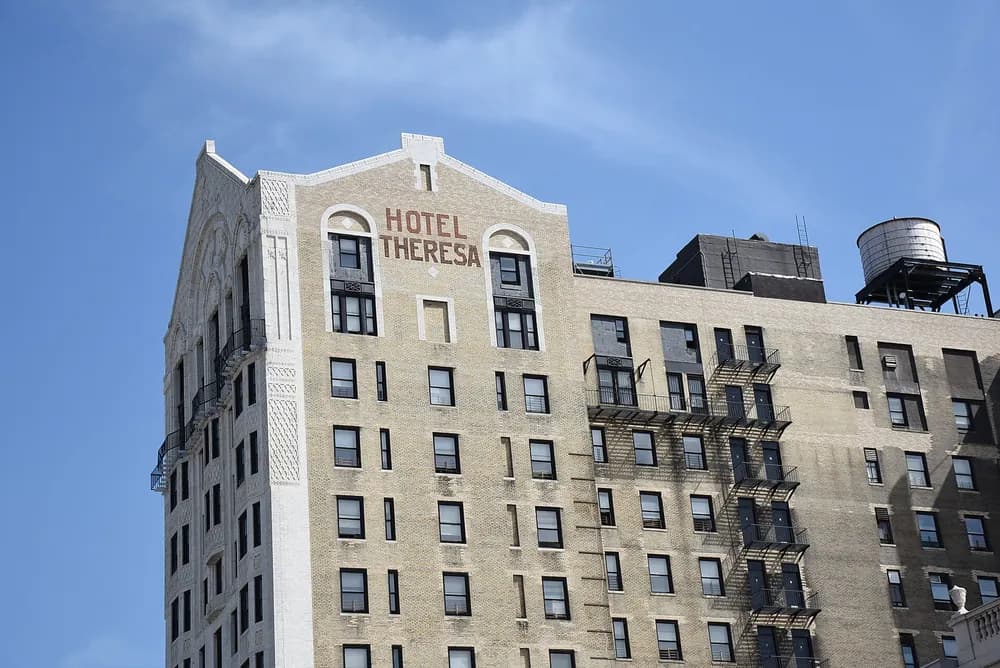
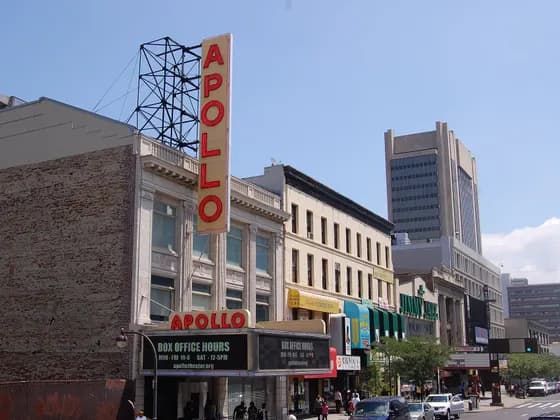
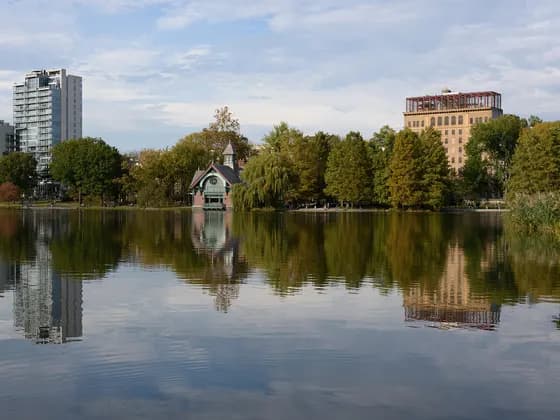
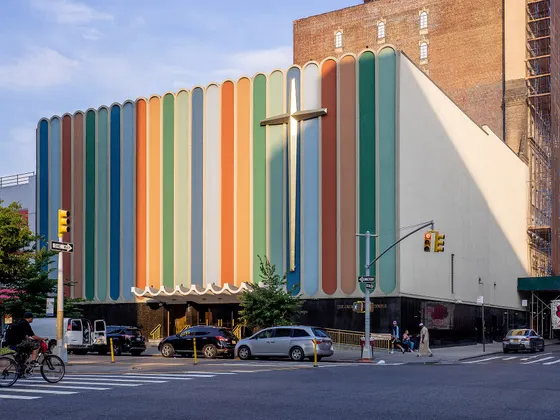
Photo: Shugars · CC BY-SA 4.0 · cropped
Photo: Erik Drost · CC BY 2.0 · Photo: King of Hearts · CC BY-SA 4.0 · Photo: Ajay Suresh · CC BY 2.0
How to get into TouroCOM New York (DO) medicine
Step-by-step: entry requirements, admission tests, personal statement, interview format and the key deadlines.
Open the guide →TouroCOM New York (DO) entry requirements
Admission profile, interview format, decision dates and what makes TouroCOM New York (DO) different.
See the profile →The TouroCOM New York (DO) medicine interview
Touro College of Osteopathic Medicine New York (TouroCOM NY) is an urban community health-focused osteopathic medical school affiliated with Touro University — a Jewish-sponsored institution with a mission of service rooted in the concept of tikkun olam (repairing the world). The school operates two New York campuses: Harlem (upper Manhattan) and Middletown (Hudson Valley), using a traditional interview format with faculty and student sessions.
TouroCOM's Harlem campus is one of the only osteopathic schools located in a major urban core, positioned in a community with some of New York City's most significant health disparities. Interviewers probe genuine engagement with urban health equity, social determinants of health, and the specific communities TouroCOM serves.
Casper is required at TouroCOM New York — confirm current-cycle deadlines on the admissions site. With approximately 5,000–8,000 annual applicants for ~215 seats, academic metrics matter significantly.
TouroCOM New York (DO) interview at a glance (2027 entry)
| Annual DO class size | ~215 (Harlem + Middletown combined) |
|---|---|
| Interview format | Traditional — faculty and student sessions |
| CASPer required | Yes — Casper + Duet (verify current cycle) |
| Application system | AACOMAS primary + TouroCOM secondary |
| Tuition (2025–26) | ~USD 58,000/year (estimate) |
| Interview window | September–February |
Interview format
- Two sessions: faculty/clinician and current student; approximately 30 minutes each.
- Harlem and Middletown campuses — confirm which campus you are interviewing at.
- Urban community health themes are dominant in Harlem campus interviews.
- No MMI format.
Working towards the MCAT score TouroCOM New York (DO) expects? Build a week-by-week plan from your test date — free for the first two weeks.
Sample interview questions
TouroCOM's Harlem campus is located in one of New York City's historically significant communities, with a legacy of health disparities rooted in structural inequality. Why does training in this specific environment appeal to you?
Research Harlem's health landscape: high rates of cardiovascular disease, diabetes, and asthma compared to city averages; historical disinvestment; and current revitalization alongside ongoing displacement. Show this is meaningful to you, not just geographically convenient.
Why do you want to be a DO, and how does the osteopathic philosophy complement the community health mission of TouroCOM?
OMT in urban primary care: treating musculoskeletal conditions in occupational workers, the whole-person approach in patients with complex social determinants, and the value of non-pharmacological interventions in communities with high opioid vulnerability.
Touro University was founded with a mission rooted in tikkun olam — the Jewish concept of repairing the world through acts of service. How does that value connect to your own motivation to study medicine?
You do not need to be Jewish to attend TouroCOM — but you should understand and genuinely connect with the institutional value of service and social repair. Use your own language and experience to connect this concept to your motivation.
A patient in East Harlem arrives for a follow-up and you notice signs consistent with domestic violence. She has not disclosed this, and you are not certain. What do you do?
What they are listening for:
- Trauma-informed care
- mandatory reporting obligations in New York
- creating a safe space for disclosure
- the limits of a mandated reporter role
- the ethical tension between patient autonomy and safety
New York City has among the best hospital systems in the world, yet communities like East Harlem and the South Bronx have some of the worst health outcomes in the country. How do you make sense of this paradox?
Structural determinants of health: residential segregation, poverty, food insecurity, environmental racism, and the failure of proximity to world-class hospitals to translate into equitable access. Connect this to social determinants of health and structural competency.
New York City is among the most linguistically diverse cities in the world — over 700 languages are spoken. Describe your experience communicating across linguistic barriers in a healthcare or community setting.
Interpreter services, health literacy, the limitation of relying on family members as interpreters, and the practical communication strategies you use when language is a barrier to care.
TouroCOM has a Middletown campus in the Hudson Valley as well as the Harlem campus. If you are applying to Middletown, what do you know about the Hudson Valley's healthcare landscape?
Middletown, NY: Orange County's suburban-rural mix, its large Puerto Rican and immigrant communities, mental health needs, rural hospital challenges, and how it differs from Harlem's urban context.
Describe a time you worked with someone from a very different socioeconomic background than your own. What did you learn about your own assumptions and privileges?
Structural competency and self-awareness. TouroCOM's mission demands physicians who understand how socioeconomic position shapes health — and who have genuinely examined their own position relative to the communities they will serve.
East Harlem and the South Bronx record some of New York City's highest asthma hospitalization rates among children, far above wealthier neighborhoods blocks away. Shown that data, how would you reason about the drivers, and what would you avoid over-concluding?
Environmental determinants:
- housing quality
- mold
- pests
- air pollution
- proximity to highways and bus depots
- access and adherence barriers
Avoid attributing it to behavior or 'compliance'. Frame as environmental injustice and structural determinants — TouroCOM's core lens.
Role-play: a mother in your East Harlem clinic is overwhelmed, juggling two jobs, and tells you she just can't manage her son's daily asthma controller routine. Respond as the student doctor.
What they are listening for:
- Empathy without judgment
- simplifying the regimen
- problem-solving around her real constraints
- connecting to social support and school-based resources
Demonstrate structural humility — meeting the patient where she is rather than blaming non-adherence.
TouroCOM draws thousands of applicants for a couple hundred seats, so the class is academically strong. How do you learn best, and how would you sustain performance in a large, competitive, board-focused cohort across two campuses' worth of peers?
What they are listening for:
- Concrete study systems
- collaboration over competition
- help-seeking
- COMLEX preparation
Show resilience and a deep-learning mindset. Acknowledge the academic bar without sounding anxious.
In one of the world's most linguistically diverse cities, a patient's young child is the only available translator for a sensitive diagnosis. How do you handle the consultation?
Recognize the harm of using a child interpreter, bring in professional/phone interpretation, protect the child, and ensure accurate, confidential communication. Demonstrates interpreter best practice in NYC's multilingual context.
Gentrification is reshaping Harlem, sometimes displacing the very patients your clinic serves. As a physician, do you have any role or responsibility regarding the social forces displacing your community, or should you stay strictly clinical? Argue your position.
Engage the debate on the physician's role in structural advocacy versus staying clinical. Reference social determinants, community partnership, and the limits and risks of overreach. Structured reasoning matters more than a 'correct' stance — fits TouroCOM's structural-competency ethos.
TouroCOM was founded on tikkun olam — repairing the world through service. Plenty of applicants can recite the phrase. What in your own lived experience genuinely connects to that idea, and how would an interviewer tell yours is real?
Avoid reciting the concept back; ground it in a specific, sustained service experience that shaped you. You need not be Jewish, but the connection must be authentic and personal, not performed. Specific stories beat slogans.
You suspect a frequently-returning patient is using the emergency department for primary care because he has nowhere else to go. He is taking time and resources, and a colleague grumbles about 'frequent flyers'. How do you think about this patient and respond to the colleague?
What they are listening for:
- Reframe 'frequent flyers' as a system failure
- not a patient failing; address the colleague's stigmatizing language professionally
- work toward connecting the patient to a medical home
Structural competency and dignity — central to TouroCOM's mission.
Practise the TouroCOM New York (DO) interview
Rehearse the real format before the day — on demand with our AI interviewers, or live with a tutor.
Sit a mock with photoreal AI interviewers — any time
A timed MMI or panel interview on video — American & international voices — with interviewers who listen, react and press with follow-ups. Rubric-scored feedback and a replay the moment you finish.



Live mocks with a tutor who’s been in the room
A full TouroCOM New York (DO)-style mock with a medic or dentist tutor — honest scoring against real marking criteria, a station-by-station debrief and a written action plan.
Book a mock interviewHow to prepare for the TouroCOM New York (DO) interview
Common pitfalls to avoid
TouroCOM New York (DO) interview — frequently asked questions
Sources & official admissions information
Ready to nail your TouroCOM New York (DO) interview?
Book a mock interview with a tutor who knows the US interview formats, orpractice unlimited stations from our interview question bank.