
Anglia Ruskin (ARU) Medicine Interview
Format, Questions & Prep Tips
Anglia Ruskin medicine interviews for 2027 entry are multiple mini interviews (MMI). Published figures: UCAT cut-off (2026 entry) 2010 non-graduate main (lower with regional/WAMS uplifts); Interview format MMI — 6 stations × 7 minutes; Selection test UCAT (SJT Band 4 not invited).
- Institution
- Anglia Ruskin University
- Interview (2027 entry)
- December and January — 2026 entry (latest published): 4–9 December 2025 and 7–14 January 2026
- Decisions (2027 entry)
- Not published — decisions via UCAS after interview



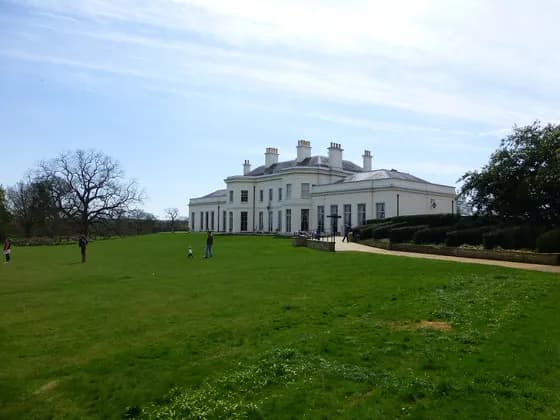
Photo: ARU · CC BY-SA 4.0 · cropped
Photo: Anglia Ruskin University · CC BY 4.0 · Photo: HJ Mitchell · CC BY 4.0 · Photo: PAUL FARMER · CC BY-SA 2.0
Still deciding where to apply? Hear it from a student who's there
Anglia Ruskin University (ARU) Medical School in Chelmsford admitted its first MBChB cohort in 2018. Selection is via six Multiple Mini Interviews of seven minutes each, with one minute to read instructions outside each station; offers are then made solely on MMI ranking. In the latest published dates (2026 entry), interview days ran 4–9 December 2025 and 7–14 January 2026.
ARU’s school is based at the Chelmsford campus, with clinical placements running across Mid and South Essex NHS Foundation Trust (Broomfield, Basildon, Southend), Cambridgeshire and Peterborough NHS Foundation Trust, and a network of GP practices across the East of England. The curriculum is integrated and case-led with early clinical contact.
The MMI is built around the school’s East-of-England focus and its emphasis on producing doctors who will serve the region. ARU gives applicants living in the East of England a 2.5% UCAT uplift at shortlisting (5% for Essex), and its MMIs typically assess communication and empathy, teamwork and leadership, preparation and motivation, critical thinking, ethical reasoning and integrity.
Anglia Ruskin (ARU) interview key facts (2027 entry)
| UCAT cut-off (2026 entry) | 2010 non-graduate main (lower with regional/WAMS uplifts) |
|---|---|
| Interview format | MMI — 6 stations × 7 minutes |
| Selection test | UCAT (SJT Band 4 not invited) |
| First cohort | 2018 |
Interview Format
- Six mini-interviews of seven minutes each, with one minute reading instructions outside each station
- Stations typically assess communication and empathy, teamwork and leadership, motivation, critical thinking, ethical reasoning and integrity
- Offers are based solely on MMI ranking
- Interviewers include members of the course team, healthcare professionals, junior doctors and service users
- Shortlisting: academic screen, then UCAT ranking with 2.5% (East of England) or 5% (Essex) uplifts; SJT Band 4 is not invited
- Strong East of England regional focus throughout
- Placements across Mid and South Essex and Cambridgeshire and Peterborough
- Integrated, case-led curriculum with early clinical contact
Sample Interview Questions
Why ARU for medicine?
Reference the case-led curriculum, the East of England regional focus, the Chelmsford base and the placement portfolio across Mid and South Essex.
What attracts you to working in the East of England?
Be specific. Essex and surrounding counties face workforce shortages, coastal deprivation and growing populations — all reasons the school exists.
A GP practice in rural Essex cannot recruit enough doctors and is restricting appointments. Whose responsibility is this?
Engage with NHS workforce planning, training-place distribution, retention and political accountability. Reference real schemes such as targeted training expansion.
Describe a time you communicated with a patient or service user who was anxious.
Listening first, acknowledging emotion, clear and simple information, checking understanding.
A peer tells you they are missing teaching due to family caring responsibilities. (Actor present.)
Listen non-judgementally, signpost personal tutor and student support, avoid offering solutions they haven't asked for.
Here is a graph showing waiting times in Essex hospitals vs the national average. What does it tell you?
Describe distribution, identify whether Essex is above or below average, acknowledge confounders such as catchment size and case-mix.
Should the NHS commission private hospitals to clear elective backlogs in Essex?
Engage with pragmatism (clearing backlog quickly) vs principle (long-term reliance on private sector). Show balance.
What do you know about Mid and South Essex NHS Foundation Trust?
Major Essex trust covering Broomfield, Basildon and Southend hospitals. Show genuine reading.
Tell us about a time you adapted your communication for someone with a hearing impairment, or limited English, or another communication need.
Concrete example with reflection on what you learned.
Explain to a patient that their elective surgery has been postponed for a second time. (Actor present.)
Acknowledge frustration, apologise sincerely, explain why, offer concrete next steps.
A patient brings their friend into the consultation. The friend dominates the conversation. What do you do?
Politely create space for the patient's voice, consider asking the friend to step out if appropriate, respect autonomy.
Why is case-led learning useful for clinical training?
Mirrors real practice, integrates basic and clinical science, builds reasoning habits early.
Describe a setback in your studies or extracurriculars.
Genuine example with concrete actions and reflection.
What concerns you about a career in medicine right now?
Honest concerns plus mitigation. Reference current issues like workforce, retention, junior doctor experience.
Practise the Anglia Ruskin (ARU) interview
Rehearse the real format before the day — on demand with our AI interviewers, or live with a tutor.
Sit a mock with photoreal AI interviewers — any time
A timed MMI or panel interview on video — British & international voices — with interviewers who listen, react and press with follow-ups. Rubric-scored feedback and a replay the moment you finish.






Live mocks with a tutor who’s been in the room
A full Anglia Ruskin (ARU)-style mock with a medic or dentist tutor — honest scoring against real marking criteria, a station-by-station debrief and a written action plan.
Book a mock interviewHow to Prepare
Read the latest ARU MBChB curriculum overview and note the case-led structure.
Research the East of England NHS context, especially Mid and South Essex.
Practise MMI stations under timed conditions with reset between.
Prepare specific examples for resilience, teamwork and communication.
Visit Chelmsford or attend a virtual open day so motivation is grounded.
Read up on Essex workforce challenges and current NHS recovery efforts.
Be ready to articulate "why ARU" with specifics, not generalities.
Invited to interview at Anglia Ruskin (ARU)? Say your first answer out loud today with the free two-minute warm-up drill, then sit a timed mock set up for Anglia Ruskin (ARU).
Common Pitfalls
Frequently Asked Questions
Related guides
Free, evidence-based guides from current UK medical and dental students.
Free Interview Resources
Worked-through MMI stations, ethics scenarios, and panel questions.
Read guideNHS Core Values Guide
The 6 NHS values examiners listen for in every interview answer.
Read guideMedical School Rankings
See interview format (MMI vs panel) for each UK medical school.
Read guideUCAS 2026 Personal Statement
The new three-question format your interviewer will reference.
Read guideContextual Offers for Medicine
Every UK medical school's widening-access scheme in one place.
Read guideSources & official admissions information
We cross-check every interview guide against the school’s own admissions guidance and the UK regulators.
- Anglia Ruskin University — Medicine MBChB — Six 7-minute MMIs (+1 min reading); UCAT ranking with regional uplifts; 2026-entry dates and UCAT cut-offs; offers on MMI rank.
- UCAT Consortium — Official UCAT registration, test format, scoring methodology and free practice materials.
- General Medical Council (GMC) — Statutory regulator. Approved medical schools, the registered-doctor register, and fitness-to-practise standards.
- Medical Schools Council — Selecting-for-excellence guidance, MMI principles, and an A–Z of UK medical schools.
Ready to nail your Anglia Ruskin (ARU) interview?
Book a mock interview with a current medical student who recently went through the same process, or practise on demand with the AI interviewer.