
The University of Cincinnati College of Medicine MD program
What you actually study, and where you will be
University of Cincinnati College of Medicine's MD is a 4-year program taught through case-based learning in an integrated curriculum, with patient contact from Year 1 and clinical rotations in Greater Cincinnati, including West Chester, Liberty Township and Mason (2027 entry). The University of Cincinnati's MD runs in three phases. About 18.5 months of pass/fail organ-system courses come first. You work with standardized patients, people trained to portray patients, from the first semester, and see real patients in a community physician's office from the second half of year 1. Clerkships, the core clinical rotations, start in April of year 2 at hospitals across Greater Cincinnati. A final phase with electives and a required acting internship, an intern's role under supervision, prepares you for residency, the specialty training after medical school.
- Degree
- MD
- Length
- 4 years
- Teaching
- Integrated + Case-based learning
- Clinical contact
- Year 1

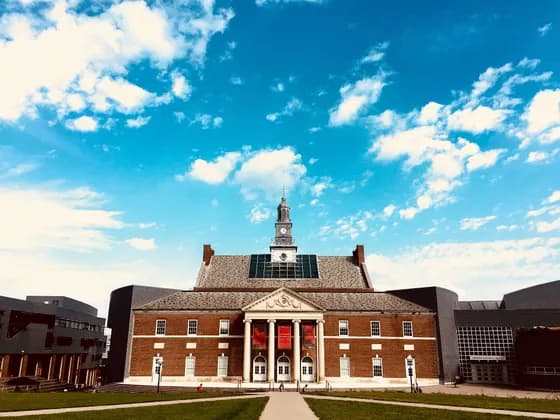


Photo: Adam Sofen · CC BY 2.0 · cropped
Photo: Abhijith Athreya Mysore Gopinath · CC BY-SA 4.0 · Photo: redlegsfan21 · CC BY-SA 2.0 · Photo: Greg Hume · CC BY-SA 3.0
The University of Cincinnati College of Medicine MD program at a glance (2027 entry)
The University of Cincinnati College of Medicine (UC College of Medicine, or UCCOM) offers a four-year MD on the UC medical campus in Cincinnati, Ohio. The college traces its founding to January 19, 1819, when Daniel Drake received a charter for the Medical College of Ohio, which merged with the University of Cincinnati in 1896. Its class profile lists 174 new students in 2026.
The college calls its curriculum Cincinnati Medicine. It runs in three phases: Phase 1, pre-clerkship (pre-clinical); Phase 2, the clerkship year; and Phase 3, post-clerkship. UC News reported in January 2023 that this design would start with the class entering in August 2024, the first major curriculum change since 2011.
Phase 1 lasts about 18.5 months and is graded pass/fail. You study the body in organ-system courses such as Brain, Mind, and Behavior. Four longitudinal courses run beside them. Learning Communities are small groups that discuss patient cases each week. Clinical Skills uses standardized patients, and Fundamentals of Doctoring places you with a community preceptor. Standardized patients are people trained to portray patients, and a community preceptor is a practicing physician who teaches you in their office. Physician and Society covers population health, the business and law of medicine, ethics, professionalism and physician identity.
Clerkships begin in early April of year 2, after a dedicated study block for Step 1. Step 1 is the first exam of the United States Medical Licensing Examination (USMLE) and covers the sciences behind medicine. Phase 2 is a 12-month year of seven required clerkships. Phase 3, about 13 months, brings a required acting internship and prepares you for residency.
Clinical training takes place across Greater Cincinnati, at hospitals including UC Medical Center, Cincinnati Children's Hospital Medical Center and the Cincinnati VA Medical Center. The Liaison Committee on Medical Education (LCME), which accredits MD programs in the United States, lists the program as fully accredited, and as accredited before the LCME was founded in 1942. The college says its next survey visit is in October 2027.
| Degree | MD |
|---|---|
| Program length | 4 years: phases of about 18.5, 12 and 13 months |
| Curriculum | Cincinnati Medicine, in three phases: pre-clerkship, clerkship, post-clerkship |
| Class size | 174 new students entered in 2026 |
| Teaching style | Organ-system courses, weekly small-group cases and standardized patients |
| First patient contact | Year 1: standardized patients, then a community preceptor's patients |
| Clinical sites | UC Medical Center, Cincinnati Children's, Cincinnati VA, TriHealth and Christ hospitals |
| Step 1 timing | On current calendars: after a year 2 study block, before clerkships |
| Grading | Pass/fail in Phase 1; Honors, High Pass, Pass, Conditional or Fail in clerkships |
| Accreditation | LCME, full; next survey visit October 2027 |
What makes the University of Cincinnati College of Medicine MD program different
A community preceptor from the second half of year 1
Fundamentals of Doctoring runs for three semesters and pairs you with your own community physician. You first watch how they carry out ten steps the course says are used in every patient encounter, then practice those steps with real patients. The clerkship year monitors the same steps every day.
A service-learning project with a Cincinnati community partner
In year 1 your Learning Community teams up with a local organization, such as the Cincinnati Health Department, a food pantry or a homeless shelter. The aim is to learn how social conditions in Greater Cincinnati neighborhoods shape health, and to deliver a project that meets the partner's needs.
Clerkship results reported as categories, not a class rank
From the Class of 2028, your residency application places your clerkship year in one of three categories, and no numeric Phase 2 rank is calculated. The categories rest on fixed criteria rather than comparison with classmates.
A final phase built around preparing for residency
For the Class of 2028 onward, Phase 3 adds an acute care block and a Transition to Residency course that the whole class takes together. It includes 20 weeks of flex time for residency interviews, vacation and study for Step 2 CK, the USMLE's clinical knowledge exam.
Specialty scholar tracks you can join in year 1
The Medical Student Scholars Program (MSSP) offers about 20 four-year specialty tracks with mentoring and summer research after year 1. The newer Interdisciplinary Medical Pathways Across Training (IMPAcT) program adds pathways in Healthy Communities and in Humanities and Arts in Medicine. Many tracks take only a few students, and you apply in your first year.
How University of Cincinnati College of Medicine teaches medicine
In Phase 1 the science is organized mainly by organ system. Each course covers how one part of the body works and what goes wrong with it, and links the basic sciences to the specialties that treat it. The college says its aim is to bring patient care into the pre-clerkship years and to revisit the foundational sciences during clinical training.
Formats vary by course. Course pages mention lectures and interactive sessions. Renal-Endocrine adds flipped classroom sessions, where you prepare beforehand and apply the material in class, and Cardiovascular-Pulmonary uses clinical problem solving to join basic and clinical science. Learning Communities and Clinical Skills follow the organ-system course of the moment, so your cases match what you are studying.
From April of year 2 you learn mainly on hospital and clinic teams. Clerkship outcomes are aligned with the Core Entrustable Professional Activities of the Association of American Medical Colleges (AAMC): tasks, such as taking a history, that a new resident should be trusted to do. Phase 3 gives you more independence.
The ways you will learn
| Organ-system courses | Seven Phase 1 science courses, from Scientific Foundations of Medicine to Reproductive Systems, each closing with a cumulative end-of-block exam. |
|---|---|
| Learning Communities | Each group is led by a practicing clinician. You research probe questions beforehand, and your self-directed learning is assessed. The college's 2023-24 slides for admitted students described groups of about 12. |
| Clinical Skills | Encounters with standardized patients, where teams work up problem-focused cases, order and interpret tests, and review them with a supervising physician. |
| Fundamentals of Doctoring | Three semesters of learning the clinical method in a community preceptor's outpatient office. |
| Physician and Society | Runs through Phase 1 after its opening block. |
| Clerkships and acting internships | Full-time rotations on care teams, supervised by residents and attending physicians, the senior doctors in charge of each patient's care. In acting internships you become the primary caregiver for your patients. |
A typical week on the University of Cincinnati College of Medicine program
A June 2026 workload policy sets out what a Phase 1 week should hold. Scheduled activities, including lectures, labs and dissections, small groups, clinical sessions and exams, should not exceed 25 hours a week, averaged over two weeks. About 30 more hours go to independent study, and required assignments outside class should average no more than 5. The policy treats 60 to 65 hours a week in total as a reasonable load.
Scheduled teaching runs between 8 a.m. and 5 p.m. The noon hour stays free of required events so you can travel to clinical sessions, though Clinical Skills and Fundamentals of Doctoring sometimes need exceptions. A workload group that includes student representatives checks course schedules against these limits.
Under the attendance policy, last revised in 2022, required events include small groups, dissection labs, Learning Communities, Clinical Skills, service-learning sessions, exams and sessions with a patient present. The August 2026 scheduling policy says mandatory events are flagged on the schedule, published four weeks before a course starts, and none can be added once it begins.
The week changes once clerkships start. The duty hours policy caps required clinical time at 80 hours a week, averaged over four weeks, with one day in seven free on average. Overnight call should average no more than every third night. On surgery, the 2026-27 syllabus sets hours of 6 a.m. to 6 p.m., Monday to Saturday, plus optional call nights.
How anatomy is taught at University of Cincinnati College of Medicine
Anatomy is built into the Phase 1 science courses. Scientific Foundations of Medicine lists anatomy and embryology among its disciplines, Musculoskeletal and Integumentary Systems pairs anatomy with clinical specialties, and Cardiovascular-Pulmonary Systems covers the anatomy of the heart and lungs.
The first- and second-year attendance policy, last revised in October 2022 and still on the college's policy portal, lists dissection laboratories among required events. It expects you to tell your dissection team if you will miss one. The college's June 2026 workload policy lists laboratories and dissections among scheduled Phase 1 activities. Donated bodies come through the college's Body Donation Program, which says donation lets medical students closely examine the structure of the human body.
A May 2026 UC News story on an undergraduate anatomy certificate says learning from human donors is typically reserved for medical school, and that its students did advanced dissections and learned alongside medical students. A 2015 UC News story described students dissecting donor bodies in a first-year gross anatomy course, the study of the body's visible structures, and an annual memorial service for donors and their families. The college's 2023-24 slides for admitted students said Learning Community groups also stayed together for anatomy and clinical skills.
When you first meet patients at University of Cincinnati College of Medicine
Your first patients are standardized patients, who give you feedback. In Clinical Skills 101, in the first semester, you learn to take a history and do a detailed head-to-toe exam with them. You then move on to team cases and learn to explain your assessment to the patient.
Real patients come next. From the second half of year 1, Fundamentals of Doctoring places you with your own community preceptor in their outpatient office. The family medicine department says you meet your preceptor every other week, and that preceptors come from across medical specialties. The course also includes training with professionals in nutrition, nursing, social work, physical and occupational therapy, and speech and language pathology.
Your Learning Community starts work with its community partner in the August introductory block of year 1, as part of Physician and Society. You get to know the partner in the fall, carry out your project in the spring and present it at the end of the year.
The University of Cincinnati College of Medicine curriculum, year by year
- Year 1 (Phase 1)
Foundations and the first organ systems
For a 2027 entrant, orientation runs July 26 to 30, 2027, and classes start August 2. Physician and Society opens with a two-week block, then come Scientific Foundations of Medicine and three organ-system courses, each followed by an exam week. Spring break is March 13 to 17, and the year ends on May 19, 2028.
- Scientific Foundations of Medicine: the molecular and cellular principles behind later courses, drawing on biochemistry, cell biology, physiology, pharmacology, histology, immunology, microbiology, anatomy, embryology and pathology.
- Musculoskeletal and Integumentary Systems: muscles, bones, skin and peripheral nerves, tied to pathology, rheumatology, neurology and dermatology.
- Brain, Mind, and Behavior: the neurosciences and common neurologic and psychiatric disorders, meeting the prerequisites for the Phase 2 psychiatry and neurology clerkships.
- Hematology-Oncology and Gastrointestinal: the blood and the digestive system in health and disease, plus an introduction to clinical oncology.
- Longitudinal courses: Physician and Society, Clinical Skills and Learning Community all year, with Fundamentals of Doctoring in the spring semester.
- Year 2 (Phase 1)
The last organ systems, then Step 1
On the 2027-28 calendar, for students who entered in 2026, classes end February 11, the Step 1 review block runs February 14 to March 24, and Phase 2 begins April 3. You must pass every first- and second-year course to sit Step 1 and move on.
- Cardiovascular-Pulmonary Systems: the heart, blood vessels and lungs in health and disease, including drug and surgical treatments.
- Renal-Endocrine Systems: kidney and hormone disorders, including diseases that affect several systems.
- Reproductive Systems: the last organ-system course, linking back to diseases from earlier courses.
- Longitudinal courses continue, with Physician and Society sessions built into the organ-system courses and Learning Communities.
- Health Care Emergency Management Part II: triage in mass casualty incidents using the START (Simple Triage And Rapid Treatment) method, and responses to natural disasters.
- A week of specialty exploration in the fall, and a practice Comprehensive Basic Science Exam from the National Board of Medical Examiners (NBME) before Step 1.
- Phase 2
The clerkship year
Phase 2 runs 12 months from early April of year 2, after a mandatory week of clerkship preparation. You rotate through seven core clerkships, choosing subspecialty experiences within each, plus two 2-week specialty electives.
- Internal medicine (8 weeks): four weeks on general or subspecialty ward teams and four in ambulatory care, at the Student Clinic, a community preceptor's office and a subspecialty clinic.
- Surgery (8 weeks): four weeks on a core service such as trauma and four on a specialty such as urology or orthopedics. You rank your preferred services and must first complete the clerkship's intersession, a preparation block.
- Pediatrics (8 weeks): four inpatient weeks on Hospital Medicine and a subspecialty service, and four outpatient weeks in a general pediatrics office, the newborn nursery and subspecialty clinics.
- Obstetrics and gynecology (6 weeks): four inpatient weeks split between the two fields, then two outpatient weeks with a community physician or in a resident clinic, plus weekly small-group problem-based learning.
- Psychiatry (6 weeks): two back-to-back three-week inpatient rotations at two of five hospitals the department lists. It also describes a half-day clinic each week, time in the Psychiatric Emergency Service at Ridgeway, UC Medical Center, and three clinical case conferences a week.
- Family medicine (4 weeks): outpatient work one-on-one with family physicians at a community or residency site, including a two-hour culinary medicine session on food insecurity. The department says more than 150 family physicians in 50 community practices volunteer as preceptors.
- Neuroscience (4 weeks): two weeks of adult neurology and two of a specialty such as pediatric neurology or physical medicine and rehabilitation.
- Phase 3
Acting internship and residency preparation
Phase 3 lasts about 13 months, from April of year 3 to graduation in the spring of year 4, in four-week and two-week blocks. For the Class of 2028 onward, which includes 2027 entrants, you need 36 weeks of credit, in requirements the Electives Policy marks subject to change.
- Internal Medicine Acting Internship (4 weeks), called a sub-internship at other schools: under an attending and a senior resident, you write orders, manage your patients and join call. For the Class of 2028 onward it is the only required acting internship.
- Acute Care Experience (4 weeks), in critical care or emergency medicine: recognizing patients who need urgent care and starting their treatment under supervision.
- Intensive Clinical Experiences (12 weeks): electives with more than 20 hours a week of direct patient care. A second acting internship, in another specialty, can count toward the intensive credit.
- General electives (12 weeks), which broaden your training before internship. You also need at least four weeks of direct patient care in the spring semester.
- Transition to Residency (4 weeks), toward the end of Phase 3, covering clinical, communication and procedural skills and professionalism.
- Flex time (20 weeks).
- The Clinical Competency Examination (CCX), which the college sets and you must pass to graduate. In 2016, UC News described it as seven standardized-patient cases in four hours at the Simulation Center.
How you are assessed at University of Cincinnati College of Medicine
Phase 1 is graded pass/fail. Each course sets a minimum pass level, and you sit computer-based exams weekly or every two weeks, plus a cumulative end-of-block (EOB) exam built with the NBME. Some courses also use assignments, practicals and OSCEs, structured exams in which you are observed performing clinical tasks.
From Phase 2, grades are Honors, High Pass, Pass, Conditional or Fail. Clerkships rate you in four areas: medical knowledge, clinical skills, clinical reasoning and communication. Honors needs the excellence threshold in at least three and High Pass in at least two, with the standard met in professionalism and practice-based learning. Each core clerkship ends with an NBME subject exam in that field, or shelf exam, taken in person at the college, and failing it twice means failing the clerkship.
Results reach residency programs through the Medical Student Performance Evaluation (MSPE), the college's summary of your performance in medical school, which includes narrative comments from your clerkship year. For the Class of 2028 onward it reports Phase 2 as Exceptional, Outstanding or Commendable, based on Excellences, the marks of top performance set out in each clerkship syllabus. You can earn up to four per clerkship, weighted by length to a maximum of 88, and Exceptional needs 66 or more, with at most one Pass.
Step 1 has been pass/fail since January 26, 2022; Step 2 CK is still scored. As an MD student, your program's LCME accreditation is what makes you eligible to sit them, though DO and international students qualify by other routes. You must pass both to graduate. You must sit Step 2 CK no later than 30 days before your residency applications are due, and record a pass at least three days before graduation.
In August 2026 the USMLE program announced a move to designated testing dates from January 2029, with Step exams offered less often each year. That replaced a June 2026 plan to start in 2028, and the USMLE has asked schools to review rules that limit when students can take the exams.
On the current schedule, projected from the 2026-27 and 2027-28 calendars, a 2027 entrant would study for Step 1 from about mid-February to late March 2029. You would sit it by the end of that block, so by about late March 2029, within a few months after the switch. Step 2 CK, under the 30-day rule, would also fall after the switch.
- Second chances in Phase 1: a one-time Safety Net Program in Scientific Foundations of Medicine and, in other science courses, up to two attempts at the end-of-block exam within yearly limits. A failed first-year course is usually made up in the summer, a second-year one before Step 1 study.
- An average of 71% or below on a course's assessments qualifies you for extra academic support.
- A July 2026 policy covering the Class of 2029 adds an Academic Distinction note to the MSPE for a weighted EOB average of at least 91%.
- A pilot competency-based growth pathway, created in 2022, replaces tiered clerkship grades for the students in it. A coach and an entrustment committee review their ratings, and the transcript shows Benchmark Achieved or Fail.
- In every clerkship you log required procedures and patient encounters in MedOneStop, the college's online system. Anything missing by 5 p.m. on the day before the shelf exam costs 5% of your final grade.
- Each core clerkship and required acting internship includes a feedback session near its midpoint.
- Obstetrics and gynecology ends with an OSCE as well as the NBME exam.
- The CCX is normally sat in the summer of the Phase 3 year, after the core clerkships, with up to two retakes.
- You get up to four attempts at Step 1 and at Step 2 CK. After a first Step 1 failure, you cannot return to clerkships until you have sat it again.
- A repeated clerkship can earn only Pass or Fail.
University of Cincinnati College of Medicine clinical rotations: where you will actually train
The Student Handbook lists the affiliated health systems as UC Health, Cincinnati Children's, The Christ Hospital, Good Samaritan Hospital and the Cincinnati VA. A July 2026 college list of inpatient sites also includes TriHealth's Bethesda North Hospital, The Christ Hospital Liberty and the Drake Center.
UC Medical Center, on UC Health's Clifton campus, has 724 licensed beds and is a verified Level I adult trauma center. Cincinnati Children's says its staff make up the university's entire Department of Pediatrics, and the Cincinnati VA Medical Center names the college as its primary academic affiliation. At Good Samaritan, TriHealth's internal medicine residency says UC students rotate regularly with its inpatient teams and outpatient resident clinic.
Where you go depends on the clerkship. The 2026-27 surgery syllabus lists seven sites, from UC Medical Center to Bethesda North and West Chester. Obstetrics and gynecology places you at one of six hospitals in the Tristate, the three-state area around Cincinnati. The psychiatry department says you are assigned to two of UC Medical Center, the Cincinnati VA, Cincinnati Children's, the Lindner Center of HOPE (a mental health center in Mason) and West Chester Hospital.
Under a July 2026 policy, sites are assigned with your preferences in mind and are final unless extenuating circumstances arise. Expect to travel: the transportation policy says some required activities take you to a preceptor's office, a clinical site or a community partner, so you need reliable transportation. Your required acting internship, and at least four weeks of intensive clinical experiences, must be done in Cincinnati.
Both are surgery clerkship sites. UC Medical Center's Center for Emergency Care, with about 75,000 visits a year, is the main base for the emergency medicine acting internship. West Chester Hospital, a Level III trauma center, is one of its community sites.
- UC Medical Center, Clifton campus
- West Chester Hospital, West Chester
A surgery clerkship site, also used by electives in dermatology, ophthalmology, otolaryngology and clinical oncology. The college's July 2026 site guide lists student rooms there for pediatrics and neuroscience as well.
- Cincinnati Children's Hospital Medical Center, Burnet campus
A surgery clerkship site, also used by the dermatology and otolaryngology electives. The site guide lists student rooms there for internal medicine as well.
- Cincinnati VA Medical Center, Vine Street
Both are surgery clerkship sites. The site guide also lists pediatrics rooms at both hospitals and internal medicine rooms at Good Samaritan.
- Good Samaritan Hospital
- Bethesda North Hospital
The main hospital is a surgery clerkship site, and its Cancer Center hosts part of the clinical oncology elective. The site guide lists pediatrics rooms at both hospitals, at Liberty in the family birth center.
- The Christ Hospital, Mt. Auburn
- The Christ Hospital Liberty, Liberty Township
Jewish Hospital is the second community site for the emergency medicine acting internship. The Barrett Cancer Center and Cincinnati Eye Institute host parts of the oncology and ophthalmology electives.
- Jewish Hospital
- Drake Center
- Barrett Cancer Center
- Cincinnati Eye Institute
- Lindner Center of HOPE, Mason
Electives, selectives and away rotations at University of Cincinnati College of Medicine
Most electives start in Phase 2. You choose two 2-week specialty electives from 15 options, including anesthesiology, dermatology, emergency medicine, geriatrics, ophthalmology, pathology, radiology and urology. They are graded pass/fail and meant for career exploration. You can use the time for an approved research project or for flex time, though flex weeks taken here come off your Phase 3 flex time. Since 2026-27 you can also take a Phase 3 elective if you meet its prerequisites.
Some are hands-on. The emergency medicine elective has seven shifts in UC's main emergency department, two of them overnight, and ends with an oral boards-style case exam. In pathology you observe one autopsy and give a 20-minute presentation.
In Phase 3, electives earn two or four weeks of credit, and some run part time over a longer period. Away rotations, electives at other medical schools that some specialties encourage, can make up to 16 weeks of Phase 3. You apply through the AAMC's Visiting Student Learning Opportunities service. An away acting internship counts as intensive clinical credit but not as your required acting internship. Virtual away electives of two to four weeks are open once you finish the core clerkships.
A longitudinal elective, which spans more than one academic year, can start in Phase 1 and earns Phase 3 credit, and you may enroll in only one. The family medicine department says the Medical Spanish/Latino Health Elective runs from January of year 1 to the end of year 3. The college's Global Health office lists another, Foundations in Global Health, which starts in the fall of year 1. It includes two weeks abroad with a partner in Guatemala or Tanzania, with four places for each country.
For global health, the family medicine department lists fourth-year electives in Guatemala and Tanzania, Spanish-language options in Tijuana and Peru, and Indian Health Service sites in the Navajo Nation and Choctaw Nation. The Global Health office says the Guatemala, Tanzania and Indian Health Service electives can earn Intensive Clinical Experience credit.
Dual degrees and research years at University of Cincinnati College of Medicine
The Medical Scientist Training Program (MSTP) is the MD/PhD route. As the program describes it, you complete the first two years of medical school, move into PhD research in one of 11 graduate programs, then return for clinical training. Its FAQ puts the average length at eight years, and the 2026 class profile lists 12 MSTP students.
MSTP research rotations come in the summer before medical school and the summer after the first year. Your first- and second-year courses count toward the PhD's credit hours, so you usually enter graduate school as a second-year student. A 2019 policy allows at most six years for the PhD and ten for the whole program.
The MD-MPH takes five years. You apply in the late fall of year 1 and take a longitudinal course on the history and ethics of public health. You then spend a full year on the MPH between the third and fourth years. It covers 19 credit hours of core courses, at least 16 more in one of seven concentrations, supervised work with a community partner, and a capstone or thesis.
The MD/MBA, run with UC's Carl H. Lindner College of Business, adds training in the economics, finance, marketing and management of health care. You apply in your second or third year, and the program's pathway page describes five years, with a full-time MBA year before your final year of medical school.
There are about 20 MSSP tracks, from allergy to transfusion medicine, and first-year students apply in the fall. Each track adds clinical, classroom, service and scholarly activities and a summer research project between years 1 and 2, aimed at publication or presentation. Completing it earns an MSSP distinction at graduation, and it cannot be combined with another summer program.
IMPAcT, announced in November 2025, began with two pathways that run through graduation: Healthy Communities, and Humanities and Arts in Medicine. Each takes up to eight first-year students, who apply between December and February, and offers workshops, hands-on learning, mentors and a scholarly project.
- The college calls the summer after year 1 an ideal time for research and runs a fall series of events to help first-year students find a project. Second-year students present their work at the Research and Service Symposium each November.
- With approval you can spend up to a year away on research or other enrichment, a status called Program Related Activity. If you start it after year 2, you must sit Step 1 first. Students enrolled in another degree program cannot use it; a leave for another degree comes under the Leave of Absence Policy.
- The May 2024 MSTP handbook requires MSTP students to pass Step 1 by December 1 after their second year, and to defend their dissertation and publish a first-author paper before returning to clinical training.
Facilities and support at University of Cincinnati College of Medicine
Where you will learn
The Simulation Center, on the E-level of the Medical Sciences Building, supports Clinical Skills. It has high-fidelity SimMan manikins for practicing emergency care and task trainers for skills such as lumbar puncture, intubation and central lines, as well as standardized patients. Clerkships including pediatrics, internal medicine, psychiatry, surgery and family medicine also use it to teach basic skills.
The Medical Sciences Building opened in 1974 and the CARE/Crawley Building in 2008. Exam venues include the CARE/Crawley G-Level Labs and the Simulation Center. Every inpatient clinical site must give you access to study rooms, call rooms and secure storage.
Support while you study
The Office of Student Affairs handles academic support, career advising, financial services and wellness, and advises on the Match, the national process that places graduates in residencies. Its Academic Success team offers consultations with learning specialists, peer tutoring, and workshops on study methods. The first week of each course includes a Pro-Tips session where peer leaders share resources and strategies.
For Step 1, the assistant dean for Academic Success and a learning specialist run group sessions and offer individual advice and sample schedules. The Health Sciences Library gives you free access to a practice question bank. Every second-year student is enrolled in a free, ungraded, student-led board review course, in small groups for two hours a week through the spring. Attendance is encouraged but not mandatory.
Career advising follows the AAMC's Careers in Medicine model across all four years. Phase 1 brings career panels, a CV workshop and a specialty open house. In Phase 2 you are assigned a Career Advisor, and later come class meetings on the Match and mock interviews.
Wellness support includes an embedded counselor from UC's Counseling and Psychological Services and a Wellness Resource Room with a massage chair, light therapy and meditation cushions. You can report duty-hours problems to your clerkship director or Student Affairs, or anonymously through the ALERT system. Medical students vote on every curriculum committee except the Education Program Committee.
Is the University of Cincinnati College of Medicine program right for you?
This program may suit you if
- You want full-time clerkships from April of year 2, after about 18.5 months of pass/fail science courses.
- You learn well from weekly patient cases in a small group, with standardized patients alongside.
- You want real patients early, in a community preceptor's office from the second half of year 1.
- You would value a year 1 service-learning project with a Cincinnati organization.
- You want room in the final phase for away rotations and 20 weeks of flex time.
Things to think about
- Clerkships carry tiered grades, and from the Class of 2028 your residency application places your Phase 2 results in one of three categories.
- Sites are spread across Greater Cincinnati, from the Clifton campus to West Chester and Liberty Township, so you need reliable transportation.
- For 2027 entrants, Step 1 timing is a projection: it falls within a few months after the USMLE's January 2029 switch, so dates may move.
- The Phase 3 requirements for the Class of 2028 onward are marked subject to change in the current Electives Policy.
University of Cincinnati College of Medicine MD program — frequently asked questions
Applying to University of Cincinnati College of Medicine?
How to get into University of Cincinnati College of Medicine
Prerequisites, MCAT, AMCAS personal statement, secondaries and interview, step by step.
Open the guide →University of Cincinnati College of Medicine admissions profile
MCAT and GPA profile, acceptance rate, interview format and key dates.
See the profile →Compare University of Cincinnati College of Medicine with other schools
Put the teaching style, anatomy teaching and clinical sites next to another school.
Open the comparison →Prepare for the University of Cincinnati College of Medicine interview
Format breakdown, school-specific sample questions and prep tips from tutors who interviewed here.
Read the guide →Where this University of Cincinnati College of Medicine program guide came from
This guide was written from 88 official sources — University of Cincinnati College of Medicine's own program pages and curriculum documents, plus the accreditor and the hospitals and health systems the school trains students in where they publish detail — read on 2026-11-01, then checked claim by claim against those sources.
- UC College of Medicine: Phase 1 Pre-Clerkship course descriptions
- UC College of Medicine: Phase 2 Clerkship Year, core clerkships and electives
- UC College of Medicine: Competency-based growth pathway
- UC College of Medicine: Phase 3 Post-Clerkship
- 2027-28 Academic Calendar, Phase 1 (1st year)
- 2027-2028 M1 Curriculum Schematic
- 2027-28 Academic Calendar, Phase 1 (2nd year)
- 2026-27 Academic Calendar, Phase 1 (2nd year)
- 2027-2028 M2 Curriculum Schematic
- 2027-28 Phase 2 Rotation Dates (M3 calendar)
- 2027-28 Phase 3 Rotation Dates (M4 calendar)
- UC College of Medicine: Student Handbook
- UC College of Medicine: Student Handbook Policy Portal, including the Transportation Policy
- UCCOM Advancement and Retention Policy, revised July 2026
- UCCOM Grading System Policy, revised April 2026
- UCCOM Phase 2 Categorical Classification System, Class of 2028 and beyond
- UCCOM Phase 1 Academic Distinction Policy, Class of 2029
- UCCOM Examination Policy for Phase 1, revised July 2026
- UCCOM Examination Policy for Phase 2, revised October 2026
- UCCOM Phase 1 Student Workload Policy, revised June 2026
- UCCOM Attendance and Absences Policy, M1-M2, revised October 2022
- UCCOM Phase 1 Scheduling Policy, revised August 2026
- UCCOM Electives Policy, revised February 2026
- UCCOM Duty Hours Policy, revised August 2026
- UCCOM Policy on Requesting Alternative Educational Site or Curriculum Assignments, July 2026
- UCCOM Graduation Requirements Policy
- UCCOM Enrollment Categories Policy, March 2025
- UCCOM Clinical Procedures and Patient Encounters Checklist Policy, July 2026
- UCCOM Mid-Clerkship and Acting Internship Formative Feedback Policy
- UCCOM Narrative Assessment Policy
- UCCOM Leave of Absence Policy
- UCCOM Program-Related Activity Policy, revised May 2025
- UCCOM MSTP Maximum Length of Study Policy, 2019
- UC College of Medicine: Program Competencies
- UC College of Medicine: Medical Student Scholars Program
- UC College of Medicine: IMPAcT program
- UC News, November 2025: new interdisciplinary training pathways (IMPAcT)
- UC College of Medicine: Medical Student Research
- UC College of Medicine: Physician and Society Service-Learning Experience
- University of Cincinnati MD-MPH Dual Degree Program
- UC College of Medicine: MD/MBA Dual Degree
- UC College of Medicine: MD/MBA curriculum pathway
- UC MSTP: Program overview
- UC MSTP: Scientist training
- UC MSTP: Frequently asked questions
- UC Medical Scientist Training Program Student Handbook, May 2024
- UC Family and Community Medicine: medical student education
- UC Family and Community Medicine: first and second year, Fundamentals of Doctoring
- UC Family and Community Medicine: third-year core clerkship
- UC Family and Community Medicine: fourth-year electives
- UC Office of Global Health: opportunities for medical students
- UC Obstetrics and Gynecology: core clerkship
- UC Psychiatry and Behavioral Neuroscience: Year 3 Core Clerkship
- UC Neurology and Rehabilitation Medicine: Partners and affiliates
- UC Surgery: medical student education overview
- Surgery Core Clerkship syllabus, 2026-2027
- UC College of Medicine: Clinical Site Resources, July 2026
- UC Emergency Medicine: third-year elective
- UC Emergency Medicine: fourth-year acting internship
- UC College of Medicine Simulation Center: about the center
- UC College of Medicine Simulation Center: home and location
- UC College of Medicine Simulation Center: services and equipment
- UC College of Medicine: Office of Student Affairs
- UC College of Medicine: Academic Success resources
- UC College of Medicine: USMLE preparation
- UC College of Medicine: Career Development
- UC College of Medicine: Student Wellness
- UC College of Medicine: Curriculum Governance
- UC College of Medicine curriculum overview slides for admitted students, 2023-24
- UC News, January 2023: College of Medicine curriculum changes
- UC News, May 2026: first graduates of the undergraduate certificate in clinical anatomy
- UC News, September 2015: memorial for body donors
- UC News, September 2016: the Clinical Competency Exam
- UC College of Medicine Body Donation Program
- UC College of Medicine: 2026 entering class profile
- UC College of Medicine: College history
- UC College of Medicine: LCME accreditation
- LCME directory of accredited programs
- USMLE Designated Testing Dates Information Hub
- USMLE: Transition to Designated Testing Dates will take place in January 2029
- USMLE: Examination results and scoring
- UC Health: UC Medical Center
- UC Health: West Chester Hospital
- Cincinnati Children's: University of Cincinnati affiliation
- VA Cincinnati Health Care: About us
- TriHealth Good Samaritan internal medicine residency: clerkships and acting internships
- TriHealth: Bethesda North Hospital
- The Christ Hospital Health Network: About
Curricula are restructured between cycles. Anything here that decides your application — how anatomy is taught, a clinical campus assignment, a required research year — should be confirmed against the official page for your entry year.
Applying to University of Cincinnati College of Medicine?
We help US applicants with MCAT strategy, the AMCAS personal statement, secondary essays and interview prep — everything you need for a competitive University of Cincinnati College of Medicine application.